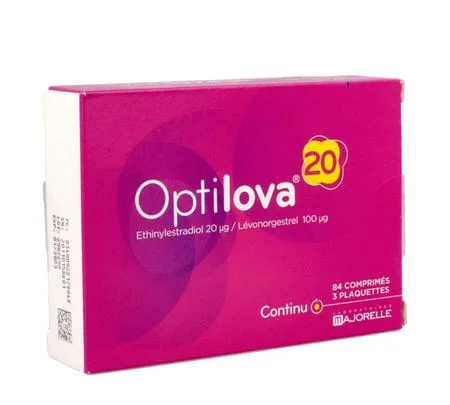

OPTILOVA 20 µg/100 µg Coated Tab 3Blister/21 white+7 red
3400922179049
Prices and discounts are reserved for client pharmacies.
Professional product catalogue
Hormonal contraceptive medicines differ in the hormones they contain and their administration forms. Oestrogen-progestogen combinations and progestogen-only preparations do not have the same composition. Pills, transdermal patches and other systemic forms retain specific pharmaceutical characteristics. This category explains those families and their terminology, including the distinction between regular and emergency contraception. It does not treat every contraceptive method as a hormonal medicine or determine an individual choice from a broad product description, familiar family name or presentation format alone.
142 results
Prices and discounts are reserved for client pharmacies.
Prices and discounts are reserved for client pharmacies.

Prices and discounts are reserved for client pharmacies.
Prices and discounts are reserved for client pharmacies.
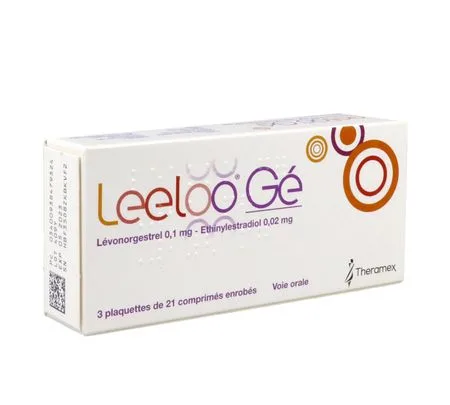

Prices and discounts are reserved for client pharmacies.
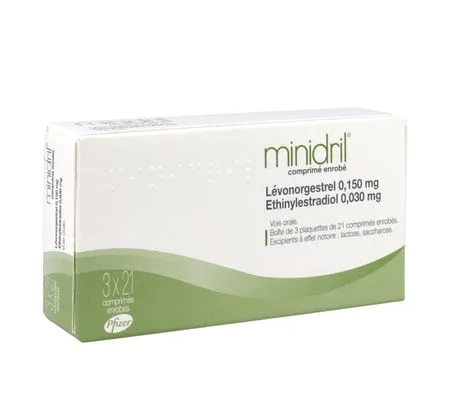

Prices and discounts are reserved for client pharmacies.
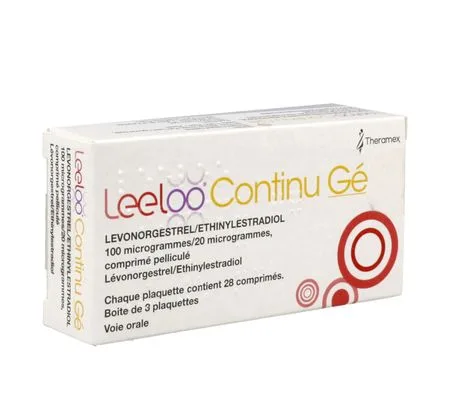
Prices and discounts are reserved for client pharmacies.
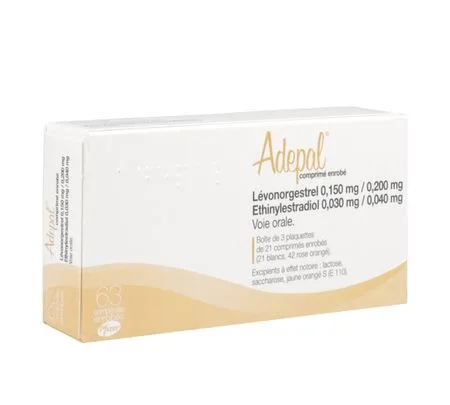
Prices and discounts are reserved for client pharmacies.
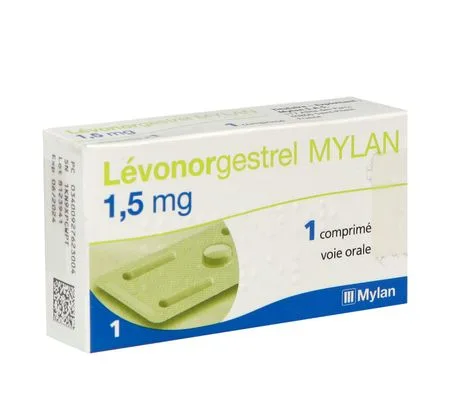

Prices and discounts are reserved for client pharmacies.
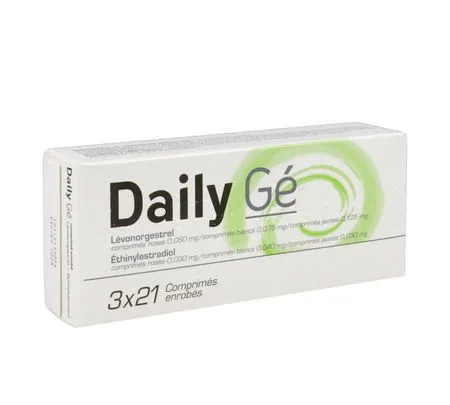
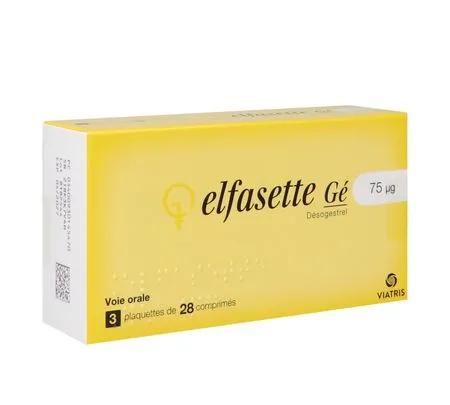
Prices and discounts are reserved for client pharmacies.
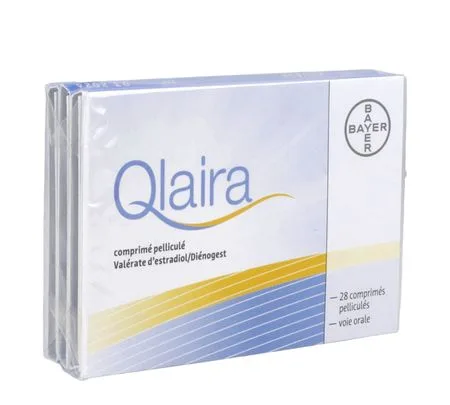

Prices and discounts are reserved for client pharmacies.
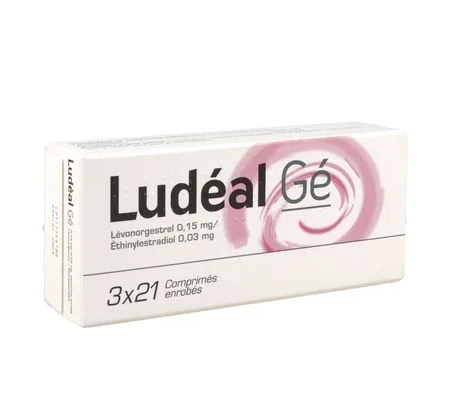

Prices and discounts are reserved for client pharmacies.
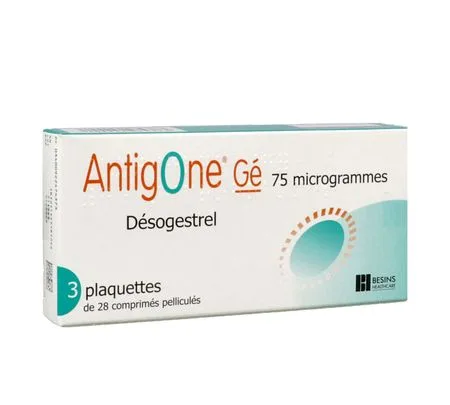

Prices and discounts are reserved for client pharmacies.
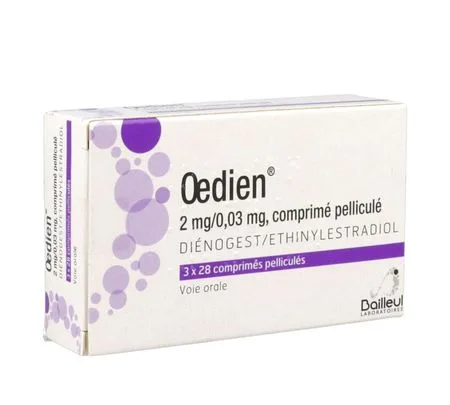
Prices and discounts are reserved for client pharmacies.
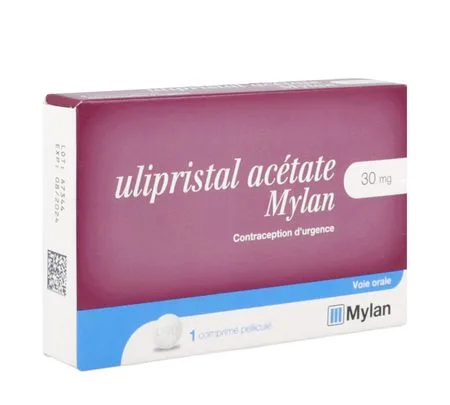
Prices and discounts are reserved for client pharmacies.
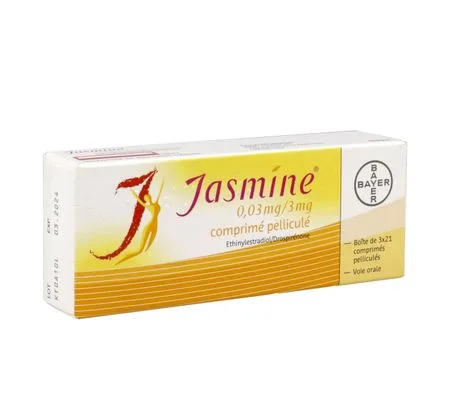
Prices and discounts are reserved for client pharmacies.
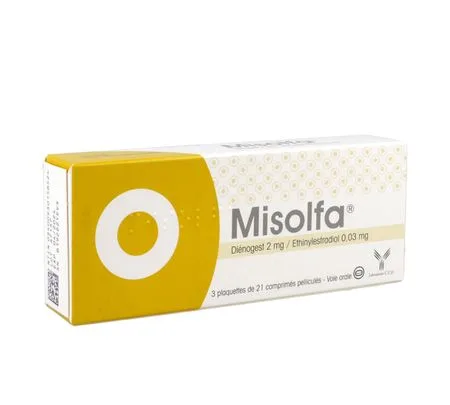
Prices and discounts are reserved for client pharmacies.

Prices and discounts are reserved for client pharmacies.
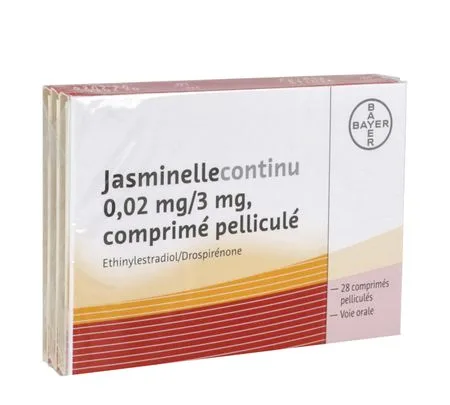
Prices and discounts are reserved for client pharmacies.
Depending on composition, hormonal contraceptives can affect ovulation and other reproductive functions, including cervical mucus characteristics. An oestrogen-progestogen combination contains two component types, whereas a progestogen-only preparation has a different composition. Both hormone names are therefore meaningful where both are present. The generation terminology used for selected pills does not replace complete composition or establish a general benefit or tolerability comparison. It is one descriptive convention rather than a universal scale for comparing every contraceptive medicine or identifying the properties of a specific reference.
Tablets and transdermal patches illustrate different ways of making hormones available. Other systemic progestogen forms have their own documented presentation. Units within one pack can have different compositions depending on the medicine: every tablet is not necessarily described by an identical formula. Fixed-combination and sequential-preparation terms provide pharmaceutical distinctions. Form, substances and official descriptions must be considered together, without converting one presentation into another using labelled quantities alone. Packaging organisation is therefore part of product identity rather than a substitute for the substance and formulation information.
Hormonal emergency contraception concerns a different setting from regular contraception. Its substances and documentation remain specific; the word pill does not make it identical to oral contraceptives used in another context. Intrauterine devices and selected vaginal preparations constitute further distinct presentation categories. The systemic hormonal contraceptive family consequently does not describe every contraceptive method. Contraception and prevention of sexually transmitted infections are also different objectives and must not be conflated when describing a medicine. A reproductive health setting can involve both without giving them the same pharmaceutical meaning.
No. A combined preparation contains two hormone types, while a progestogen-only product does not contain an associated contraceptive oestrogen. Exact substances identify each medicine.
No. The settings and medicines differ. The familiar word pill does not make them equivalent or generalise their conditions of use.
Updated 10 November 2026
Sources and further reading