Professional product catalogue
Gynaecological medicines
Gynaecological treatments include anti-infective or antiseptic medicines intended for gynaecological use and other agents acting on particular uterine functions. Vaginal preparations are prominent without representing the entire family. Pessaries, vaginal capsules, vaginal tablets and creams do not describe equivalent presentations. Substance, application site and mechanism distinguish a medicine from intimate hygiene products and from other hormonal medicines in the wider gynaecological field. This pharmaceutical vocabulary helps clarify preparations that can share an anatomical setting while having very different purposes and formulations.
Products in this category
248 results

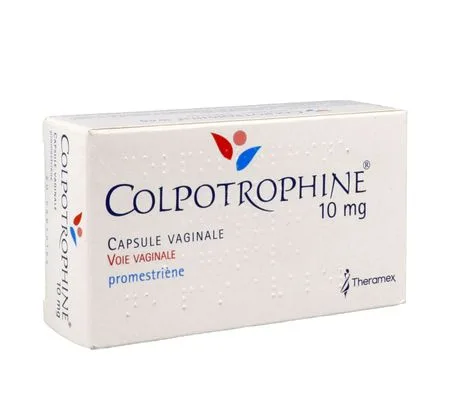
COLPOTROPHINE 10 mg Vaginal capsules Blister/2x10 (20)
3400931623298Prices and discounts are reserved for client pharmacies.

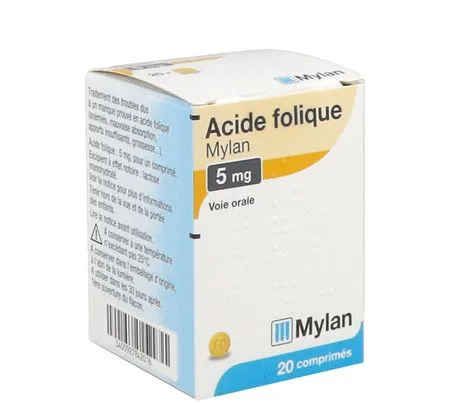
ACIDE FOLIQUE VIATRIS 5 mg Cpr Fl/20
3400927842016Prices and discounts are reserved for client pharmacies.

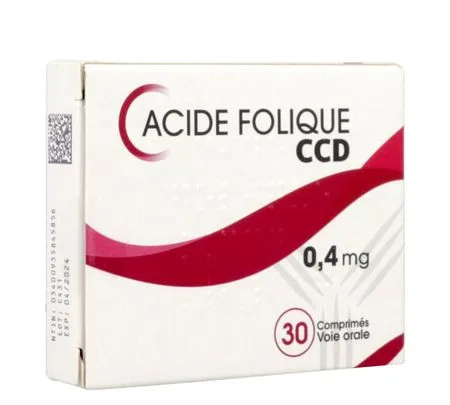
ACIDE FOLIQUE CCD 0,4 mg Cpr Plq/30
3400935845856Prices and discounts are reserved for client pharmacies.
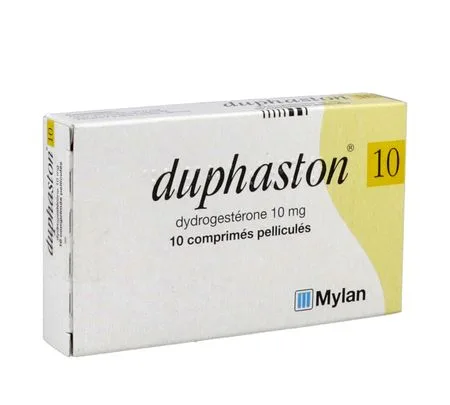
DUPHASTON 10 mg Cpr pell Plq/10
3400932192946Prices and discounts are reserved for client pharmacies.

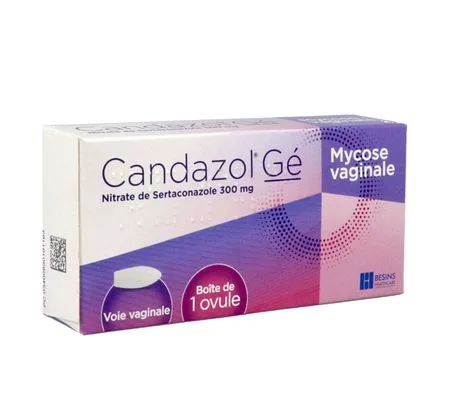
CANDAZOL Generic 300 mg vaginal ovule Blister/1
3400930191163Prices and discounts are reserved for client pharmacies.

ACIDE FOLIQUE CCD 5 mg Cpr Plq/20
3400935766052Prices and discounts are reserved for client pharmacies.
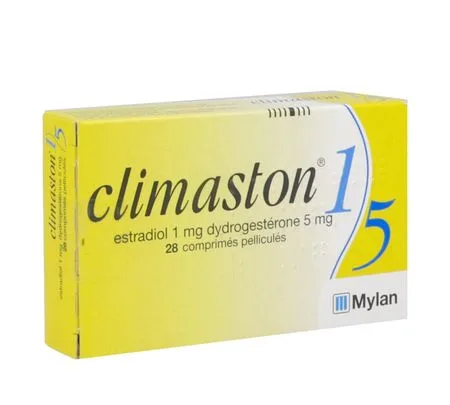
CLIMASTON 1 mg/5 mg Cpr pell Plq/2x14 (28)
3400935660381Prices and discounts are reserved for client pharmacies.

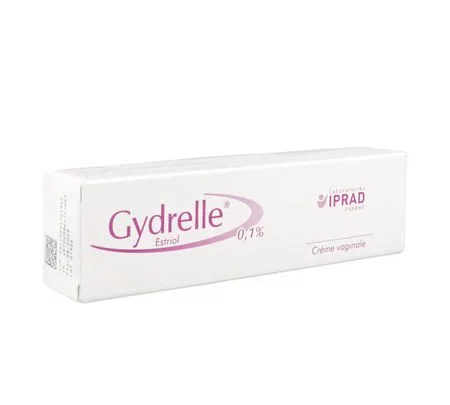
GYDRELLE 0,1 % Cr vag T/30g av applic
3400934125942Prices and discounts are reserved for client pharmacies.
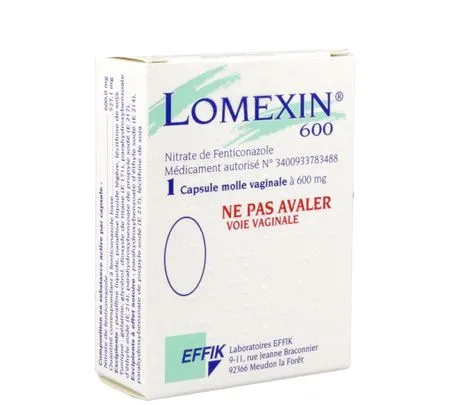
LOMEXIN 600 mg Caps molle vaginale Plq/1
3400933783488Prices and discounts are reserved for client pharmacies.

ACIDE FOLIQUE CCD 0,4 mg Cpr Plq/90
3400930126103Prices and discounts are reserved for client pharmacies.
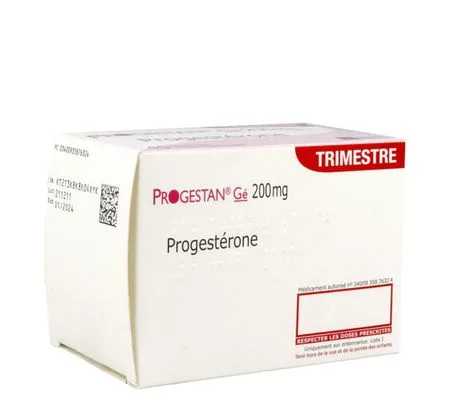
PROGESTAN Gé 200 mg Soft Capsule Oral/Vaginal Blister/45
3400935876324Prices and discounts are reserved for client pharmacies.
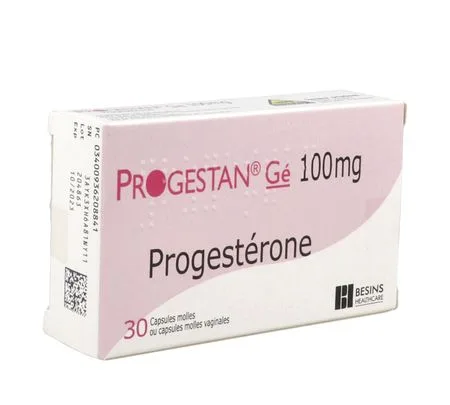
PROGESTAN Gé 100 mg Soft Capsule Oral/Vaginal 2Blister/15 (30)
3400936208841Prices and discounts are reserved for client pharmacies.
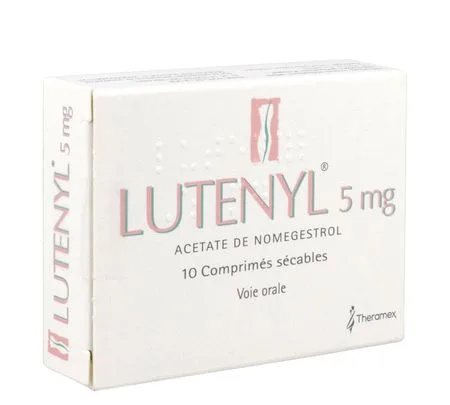
LUTENYL 5 mg Scored tab Blister/10
3400932661121Prices and discounts are reserved for client pharmacies.
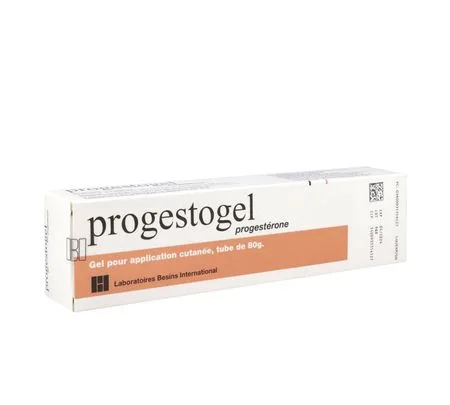
PROGESTOGEL 1 % Topical Gel Tube/80g
3400931314127Prices and discounts are reserved for client pharmacies.

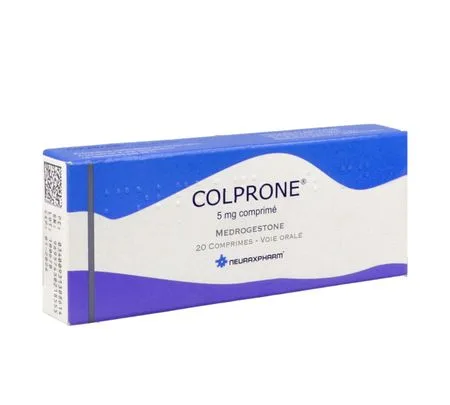
COLPRONE 5 mg Tablet Blister/2x10 (20)
3400931308614Prices and discounts are reserved for client pharmacies.

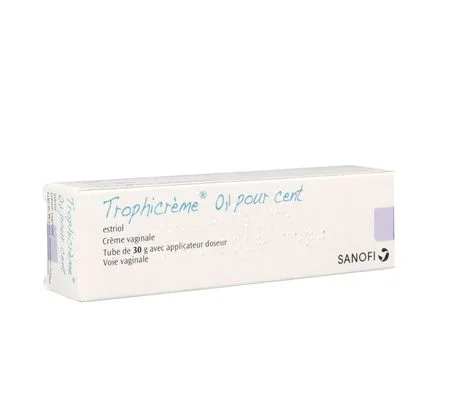
TROPHICREME 0,1 % Vaginal cream T/30g
3400932955336Prices and discounts are reserved for client pharmacies.

Showing 1 to 20 of 248 entries
Understanding gynaecological medicines
Vaginal infections and local agents
Vaginitis is inflammation of the vagina with several possible causes. Candidiasis, associated with yeasts, differs from other origins of vaginal manifestations. Antifungals and other anti-infectives are therefore not identical descriptions. Selected substances belong to imidazole derivatives, while other preparations have different compositions or functions. Several components, including a corticosteroid in some combinations, must all be considered when describing a medicine. Naming one familiar active substance does not fully describe a combination or establish that all preparations intended for the same site share its pharmacological properties.
Forms intended for vaginal use
Pessary, vaginal capsule and vaginal tablet describe different pharmaceutical forms. A cream can also have a particular intended site that cannot be inferred from appearance alone. Content per unit, concentration and container characteristics are not interchangeable data. A skin product and a vaginal preparation may share a substance name without having the same formulation or indication. Non-medicinal intimate gels and hygiene products retain their own regulatory statuses. A common anatomical destination does not turn those products into medicinal preparations or establish equivalence with a documented vaginal medicine.
Other gynaecological functions
The field also includes agents intended for uterine functions, notably uterotonics whose pharmacological role relates to contractions. Their setting differs from local anti-infectives or contraception. A broad reproductive function can therefore encompass very different mechanisms. Analgesics used for menstrual pain and sex hormones can retain other pharmacological families rather than all becoming gynaecological anti-infectives. These distinctions clarify the scope without attributing every function covered by the word gynaecology to each medicine or assuming its use at a particular stage solely from membership of the broader family.
Frequently asked questions
Is a skin cream equivalent to a vaginal preparation?
No. Even with a shared substance, formulation, site and indications remain medicine-specific. Appearance does not determine the intended route.
Are all intimate hygiene products gynaecological medicines?
No. Medicines and other products have distinct roles and statuses. The word intimate does not establish a pharmaceutical preparation.
Updated 10 November 2026
Sources and further reading