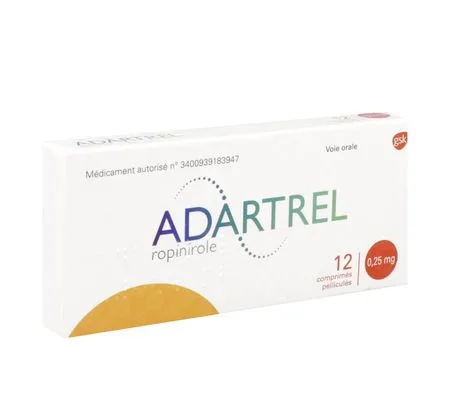

ADARTREL 0,25 mg Film-coated tablet Blister/12
Prices and discounts are reserved for client pharmacies.
Professional product catalogue
Parkinson's disease medicines concern dopaminergic transmission and the motor manifestations associated with this neurological condition. Levodopa, dopamine agonists and other agents have different mechanisms. Oral, transdermal and specialised administration forms retain their own pharmaceutical characteristics. This category explains those families and formulations, distinguishing action on disease manifestations from modification of the neurodegenerative process. It also avoids reducing every symptom to a single mechanism, since Parkinson's disease includes both motor and non-motor features within its wider clinical and neurological setting.
160 products
Prices and discounts are reserved for client pharmacies.
Prices and discounts are reserved for client pharmacies.

Prices and discounts are reserved for client pharmacies.

Prices and discounts are reserved for client pharmacies.
Prices and discounts are reserved for client pharmacies.
Prices and discounts are reserved for client pharmacies.
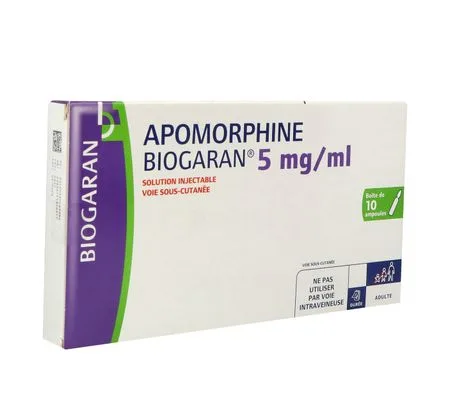

Prices and discounts are reserved for client pharmacies.
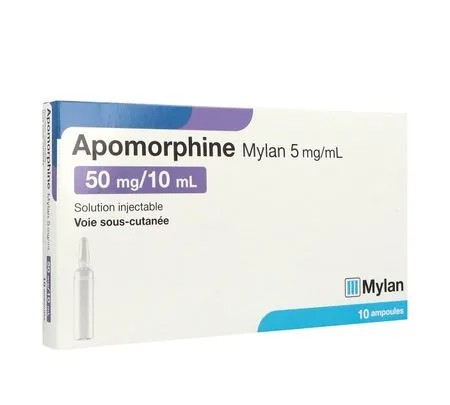

Prices and discounts are reserved for client pharmacies.
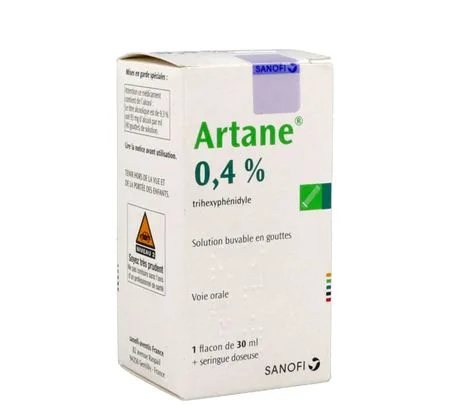
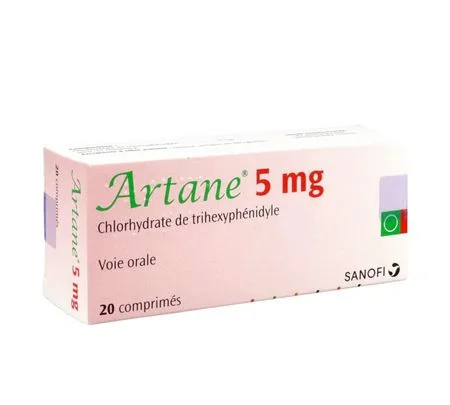

Prices and discounts are reserved for client pharmacies.
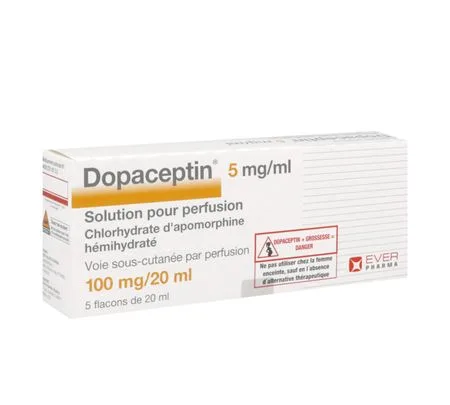

Prices and discounts are reserved for client pharmacies.
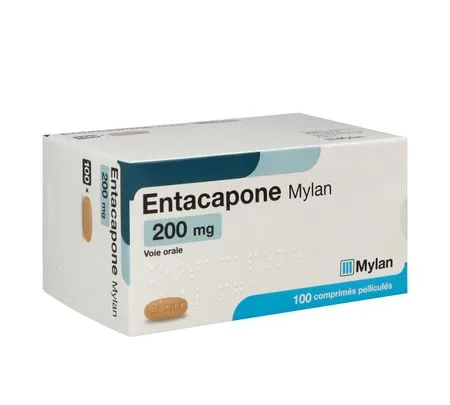
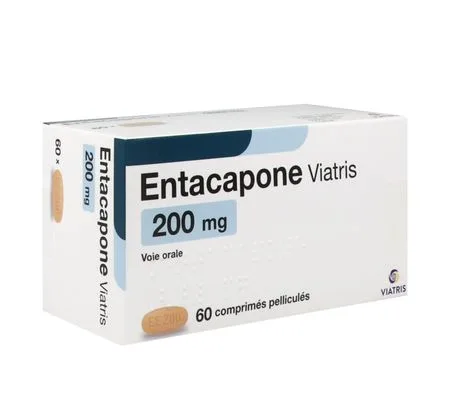
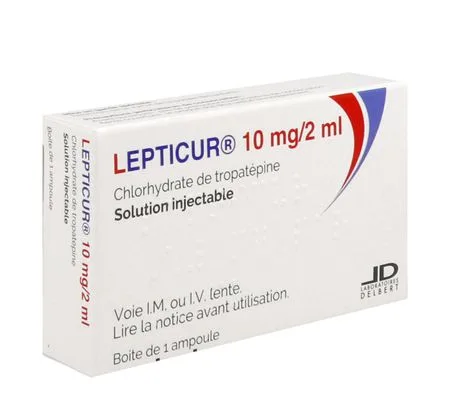
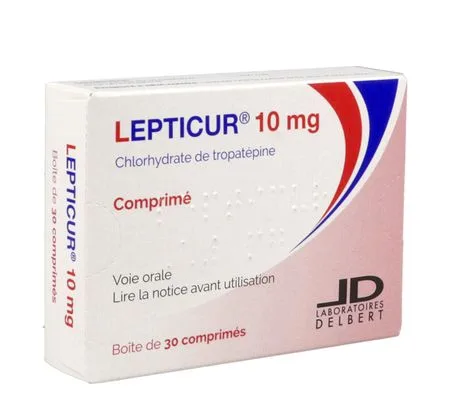
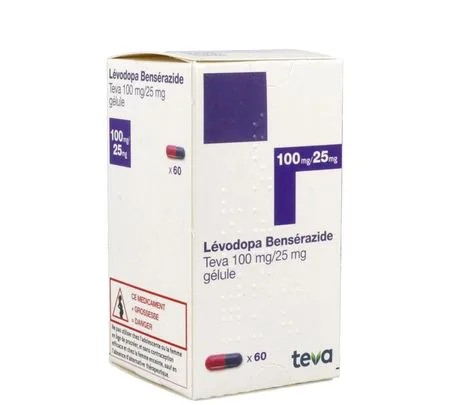
Prices and discounts are reserved for client pharmacies.
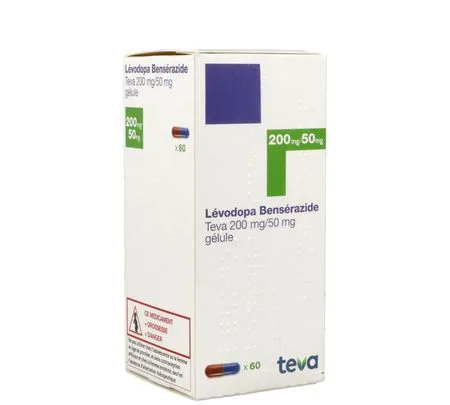
Prices and discounts are reserved for client pharmacies.
Parkinson's disease involves degeneration of dopamine-producing neurons in circuits participating in movement control. Slowness of movement, rigidity and tremor form part of its motor vocabulary, while non-motor manifestations also occur. Dopamine therefore does not explain every aspect of the disease experience. Dopaminergic medicines are described through their relationship to this signalling pathway. Their symptomatic role must not be presented as repairing neurons or establishing that degeneration has stopped. This distinction keeps the mechanism of a medicine separate from claims about the underlying disease process.
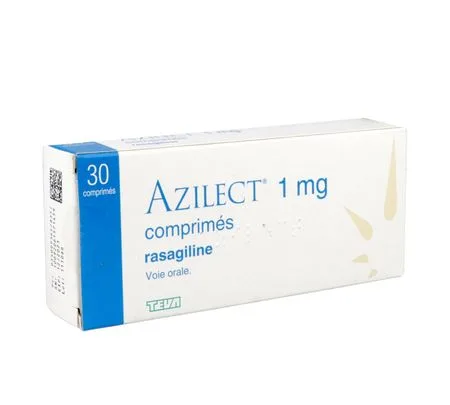
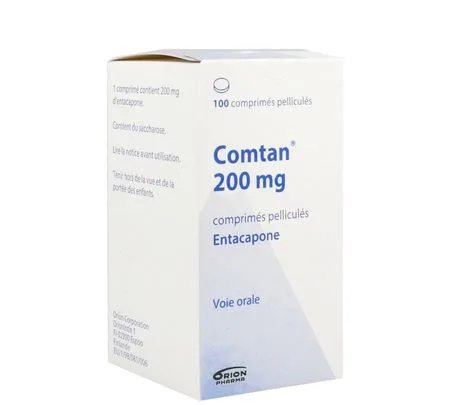
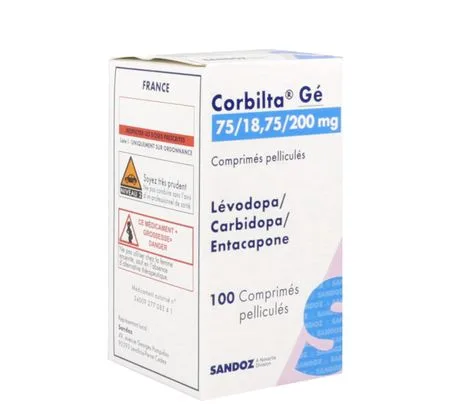
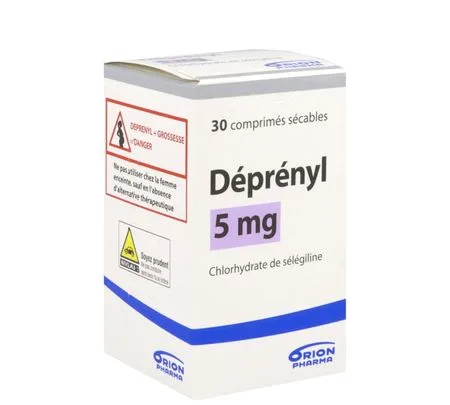
Levodopa is a precursor converted into dopamine. Relevant preparations combine it with an inhibitor of peripheral conversion. Dopamine agonists act at receptors and are not simply another formulation of levodopa. Other agents inhibit enzymes involved in the metabolism of these pathways, including MAO-B and COMT. Combinations consequently contain components with different functions; naming one familiar active substance does not describe the complete medicine. These distinctions explain why several dopaminergic references can have different compositions and pharmaceutical identities despite sharing a disease context.
Immediate-release and prolonged-release preparations have different properties. A transdermal patch describes delivery through the skin rather than a skin cream. Other preparations and administration systems involve documented specialised modalities. Dosage-form terminology therefore explains how the substance becomes available without establishing equivalence between routes. Motor fluctuations and involuntary movements called dyskinesias form a clinical context distinct from the identity of a container. They cannot be inferred from a labelled strength alone or used as a simple rule for equating different formulations of Parkinson's disease medicines.
No. Levodopa is a dopamine precursor, while an agonist acts at dopamine receptors. They are not two names for the same substance.
No. The disease also includes non-motor manifestations and several mechanisms. The role of one medicine family does not summarise the whole neurological care setting.
Updated 10 November 2026
Sources and further reading