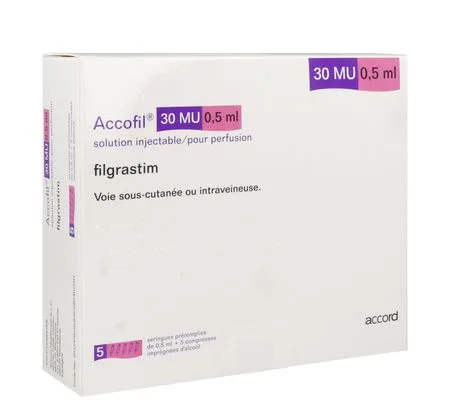

ACCOFIL 30 MU/0,5 ml solution for injection/infusion in pre-filled syringe 5Syringe/0,5ml+protective needle
Prices and discounts are reserved for client pharmacies.
Professional product catalogue
Haematological treatments in this category concern haemostasis and medicines for anaemia in particular. These functions differ: contributing to coagulation or limiting bleeding is not the same as affecting red blood cell production. Coagulation factors, antifibrinolytics, iron and haematopoietic vitamins belong to different families. Their oral or injectable presentations help explain the medicines without confusing them with anticoagulants or antineoplastic agents used for blood cancers. A shared relationship with blood does not establish a common pharmacological target, indication or pharmaceutical identity for every product.
192 products
Prices and discounts are reserved for client pharmacies.
Prices and discounts are reserved for client pharmacies.
Prices and discounts are reserved for client pharmacies.
Prices and discounts are reserved for client pharmacies.
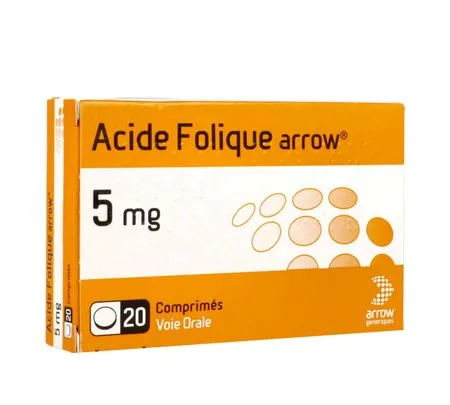
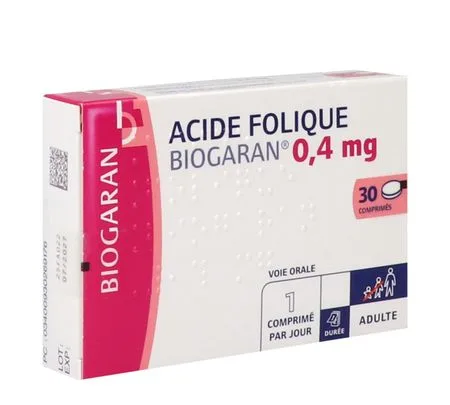

Prices and discounts are reserved for client pharmacies.
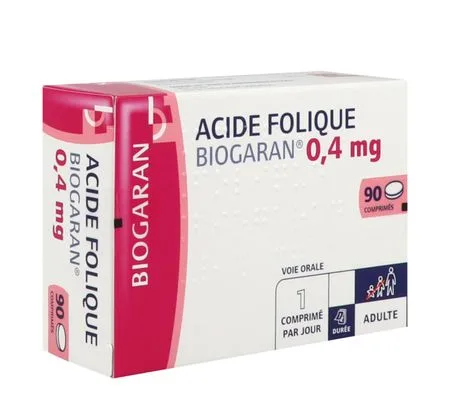
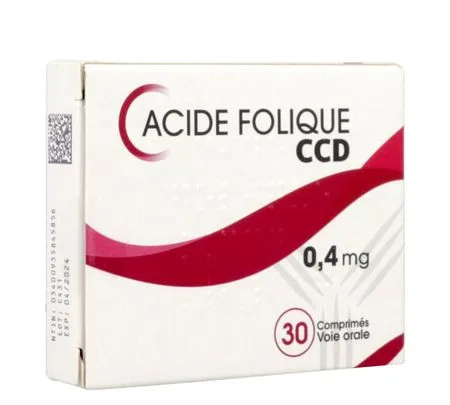

Prices and discounts are reserved for client pharmacies.
Prices and discounts are reserved for client pharmacies.

Prices and discounts are reserved for client pharmacies.
Prices and discounts are reserved for client pharmacies.

Prices and discounts are reserved for client pharmacies.
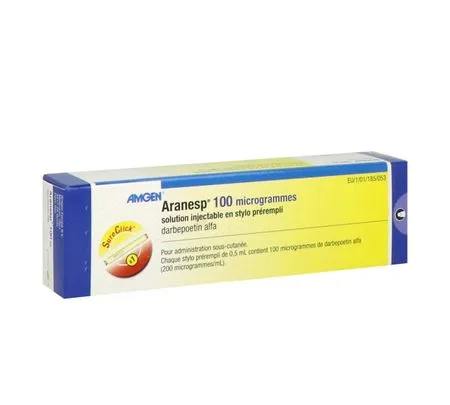
Prices and discounts are reserved for client pharmacies.
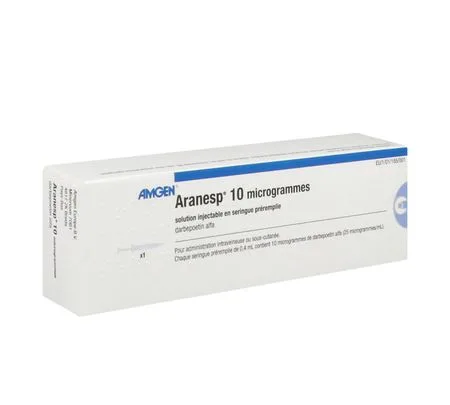
Prices and discounts are reserved for client pharmacies.
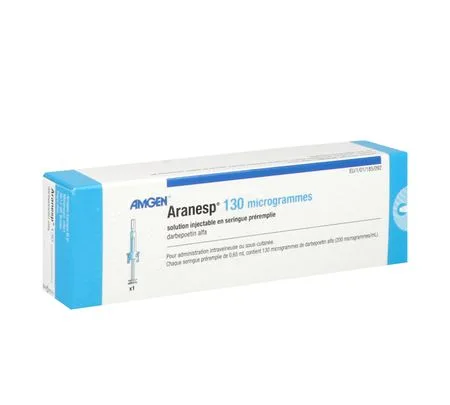
Prices and discounts are reserved for client pharmacies.
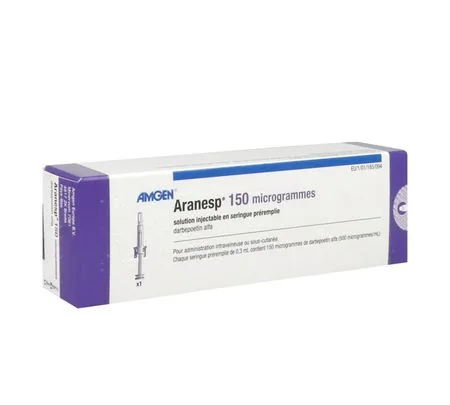
Prices and discounts are reserved for client pharmacies.
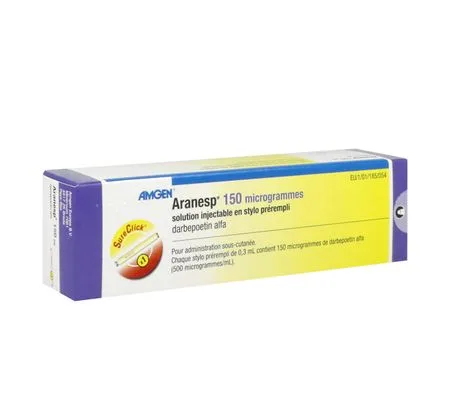
Prices and discounts are reserved for client pharmacies.
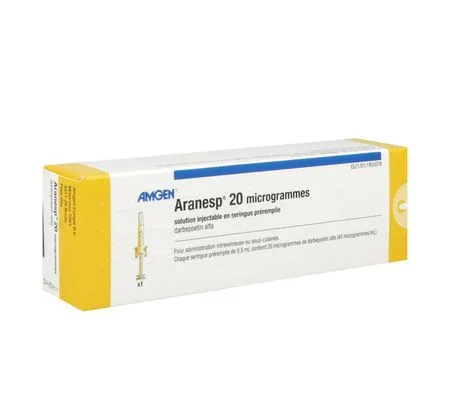
Prices and discounts are reserved for client pharmacies.
Haemostasis combines several stages contributing to limitation of bleeding. Coagulation factors and agents affecting fibrinolysis concern different mechanisms. An antifibrinolytic acts on the process of fibrin breakdown rather than being another name for a coagulation factor. Factor concentrates and other antihaemorrhagic agents have particular compositions and indications. Association with blood therefore does not equate these medicines with anticoagulants, whose pharmacological role differs. The distinction is important because similar anatomical terminology can describe products acting on different aspects of clot formation, stability and the wider haemostatic process.
Anaemia relates to reduced haemoglobin according to the relevant biological criteria and has multiple causes. Iron, vitamin B12 and folic acid preparations have different roles in blood cell production. Other agents concern stimulation of red blood cell production according to their documented indications. Anaemia consequently does not automatically mean iron deficiency. Antianaemic describes several mechanisms rather than a rule matching an isolated laboratory result to a medicinal product. Nutrient identity, biological function and pharmaceutical presentation provide complementary context without establishing the cause of an individual person's anaemia.
Iron salts, complexes and other substances have different presentations, oral or parenteral according to the medicine. The amount of a compound and the amount of its active element are not always identical expressions. For coagulation factors, activity units and product characteristics retain their particular documented meaning. Powder with solvent, injectable solution and tablet are not described in the same way. Blood products and other preparations in haematology also retain their specific status: every reference associated with blood does not belong to this one medicine family or share its pharmaceutical scope.
No. Antihaemorrhagics and antianaemics have distinct functions. Haematological does not describe one action on coagulation.
No. Causes include different deficiencies and other mechanisms. Antianaemic families therefore extend beyond iron preparations.
Updated 10 November 2026
Sources and further reading