Professional product catalogue
Infant feeding
Infant feeding includes milk preparations, specialised formulas and the equipment used to feed a baby. Breast milk is the reference food for infants; other preparations are described according to their regulatory category and intended purpose. For pharmacy teams, stated age, composition, format and preparation instructions provide essential reference points. Bottles, teats and accessories add criteria concerning material, flow and compatibility, with each component described through its function rather than an assumption of superiority between feeding choices.
Products in this category
42 products

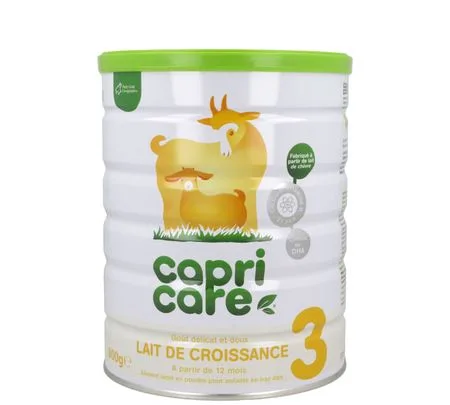


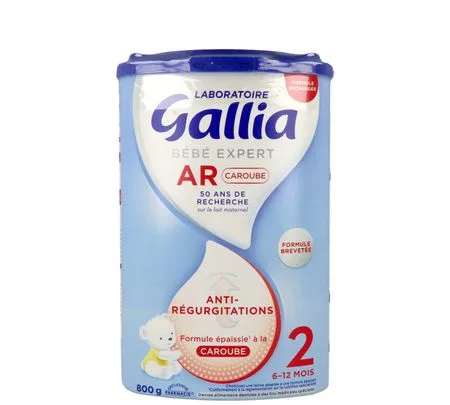
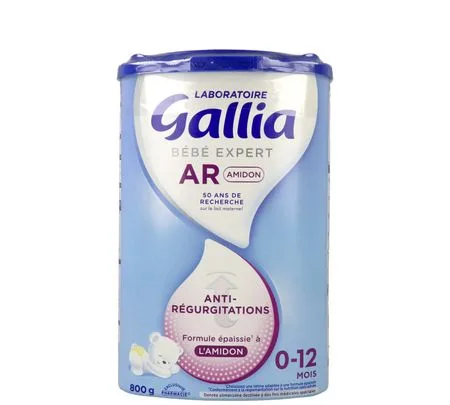
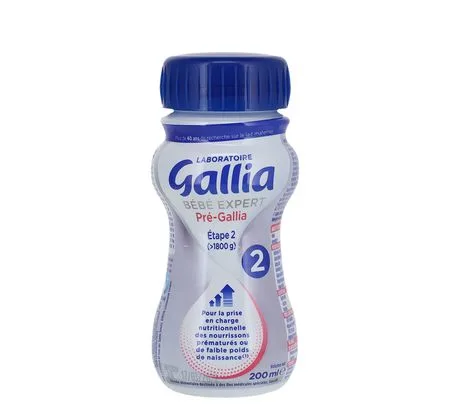
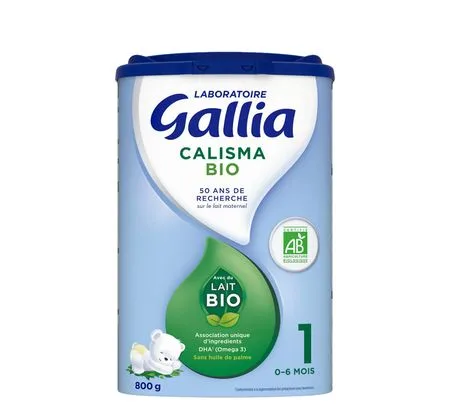
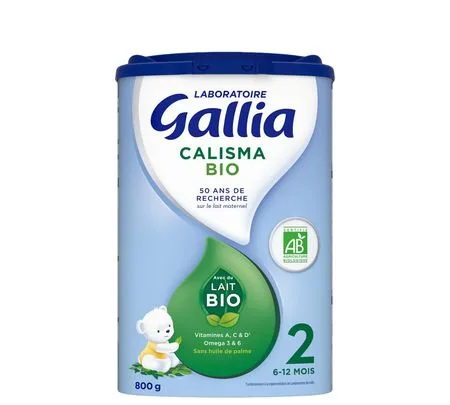
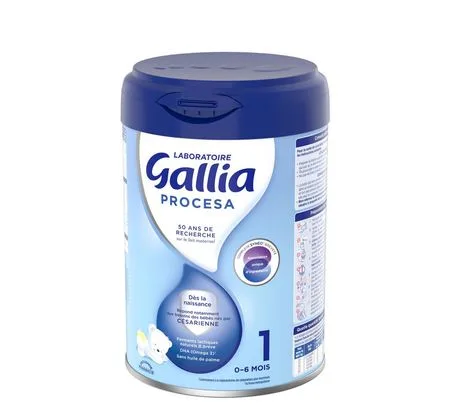
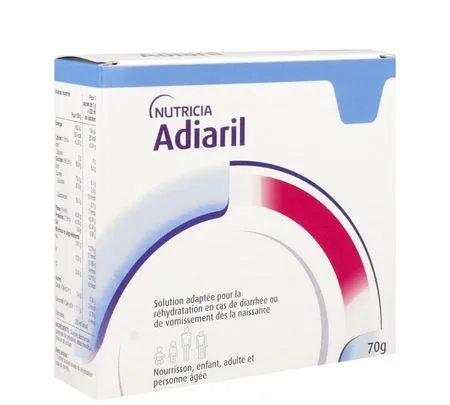
Understanding infant feeding
Breastfeeding and preparation categories
WHO places breastfeeding at the centre of infant feeding. Where infant preparations are used, their category and instructions define the presentation. Infant formula and follow-on formula are distinct designations. The reference's age information is read with its complete labelling. Professional information remains descriptive and respects family support, without creating a promotional ranking between brands or promising a developmental outcome. This provides a clear context for explaining product types while preserving the reference role of breast milk.
Powders, liquids and preparation details
Powders require reconstitution according to the manufacturer's precise instructions; some liquid presentations are ready to use. Any supplied scoop belongs to that particular product. Storage before and after opening and preparation conditions are specific. The capacity of a tin and the resulting prepared volume are different figures. A useful comparison keeps this distinction visible without turning general product information into an individual instruction about the quantity to feed a particular child.
Specialised formulas: composition and status
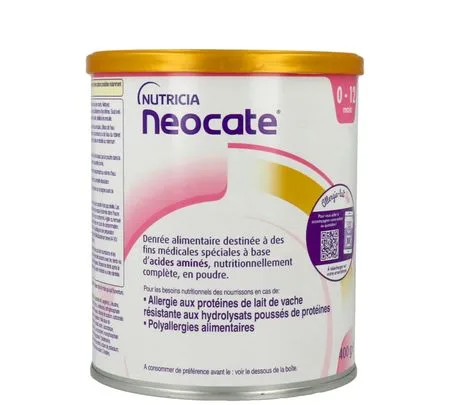
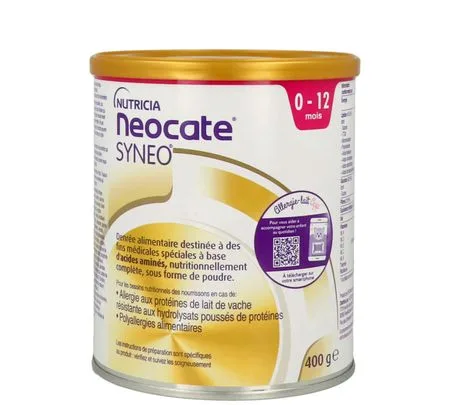
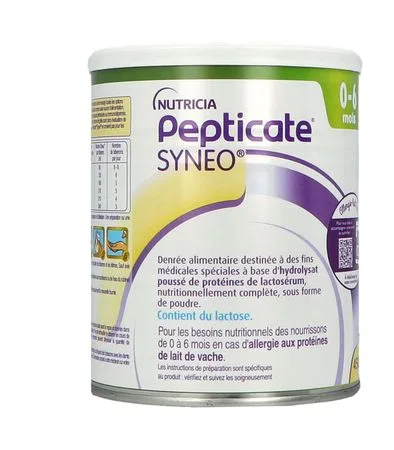
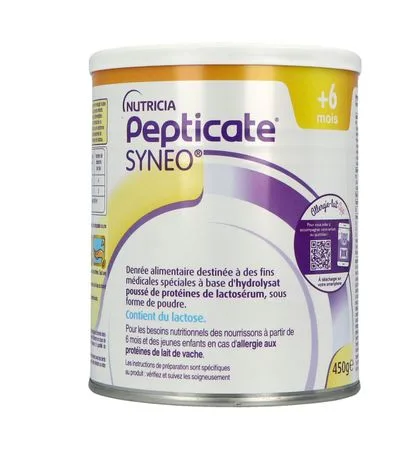
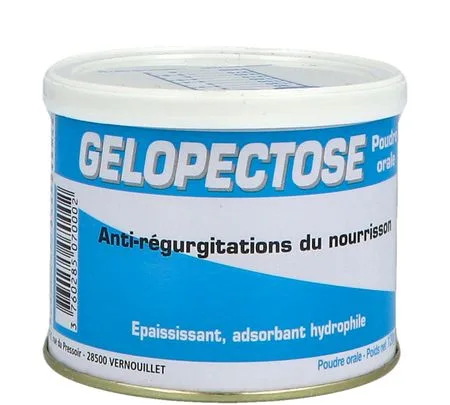
Specialised formulas may have characteristics relating to protein, lactose, thickening or other composition details. These properties correspond to different intended purposes. Some references are foods for special medical purposes and carry dedicated labelling. A range name alone therefore does not define status. Composition and documented use explain the formula within the appropriate professional framework, with any required medical supervision stated for the individual product rather than assumed for every preparation in the group.
Bottles and teats: dimensions and compatibility
Glass and different plastics are bottle materials to compare alongside their care instructions. Capacity, neck width and graduations provide practical information. Teats differ in shape, material and stated flow. Flow systems and retaining rings may be specific to a brand or range. Compatibility between bottle, teat, ring and cap relies on a stated fit rather than visual similarity. Replacement parts should therefore be identified through their reference and the equipment they are designed to accompany.
Cleaning and feeding accessories
Bottle brushes, portion containers, collection vessels and transport accessories have different purposes. Dismantling, washing and drying instructions accompany the equipment. Some containers are intended for storage, others for preparation or feeding. Pharmacy descriptions explain these uses, materials and supplied parts to clarify how a system works. The instructions remain the source for precise cleaning and reuse conditions for each food-contact accessory, including any limitations affecting warming, storage or use with another component.
Frequently asked questions
Can a scoop be transferred to another powder?
It belongs to its preparation. Dimensions and instructions can differ between references; reconstitution follows the product concerned.
Are teat flow labels identical across brands?
Names and systems can vary. The reference, stated flow and bottle compatibility provide the appropriate comparison points.