Professional product catalogue
Nutrition & supplements
Nutrition connects food with energy needs, materials for tissues and micronutrients involved in physiological functions. Protein, carbohydrate, fat, fibre, vitamins and minerals have different roles. Food supplements concentrate selected ingredients, while clinical nutrition formulates foods for assessed medical requirements. Dietary products may adapt protein sources, gluten, lactose or fluid balance. Understanding these compositions explains the differences between major nutritional families, linking named ingredients with their mechanisms rather than treating every preparation as the same kind of food or supplement.
Products in this category
350 products
 Crinex
ALGOPEDOL SUCROSE 24 % Oral solution paediatric use 5Single-dose units/2ml
CIP / EAN : 3401020668596
 Havea Pharma
CALMOSINE BREASTFEEDING S oral natural plant extracts 14 Unit-doses/10ml
CIP / EAN : 3664391000000
- Havea Pharma
CALMOSINE DIGESTION BIO S soothing drinkable natural plant extracts 12Unidoses/5ml
CIP / EAN : 3664391000123






















Understanding nutrition & supplements
Macronutrients, micronutrients and tissue renewal
Protein, carbohydrate and fat are the main energy-yielding macronutrients. Protein also supplies amino acids used in tissue renewal and the production of the body’s proteins. Some amino acids are indispensable and must come from food. Milk, eggs, soy and peas provide different source profiles. Vitamins and minerals act at another scale, including as components of metabolic reactions and physiological structures. Fibre has physical and fermentation properties distinct from absorbable carbohydrate. These families explain food through its functions beyond energy alone. A nutrient’s role, molecular form and the structure of the complete food consequently provide complementary information about nutrition.
Complementary vitamin and mineral functions
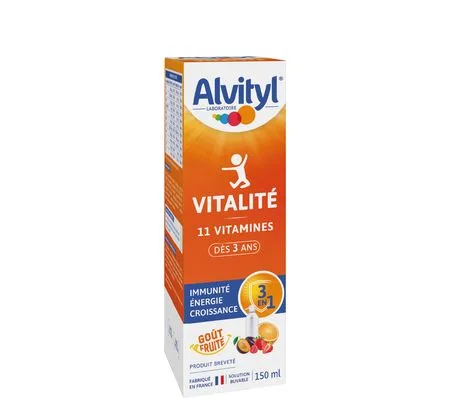
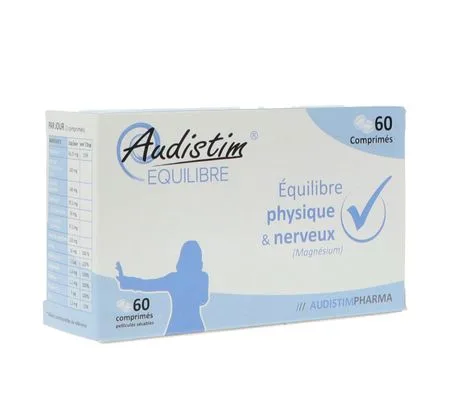
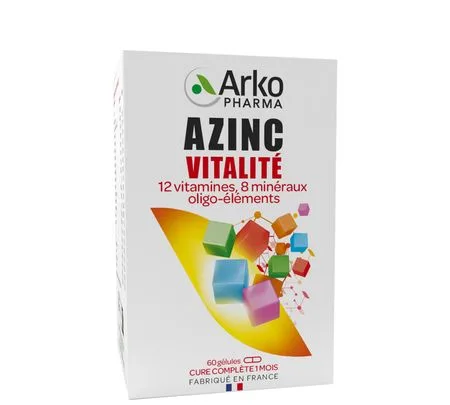
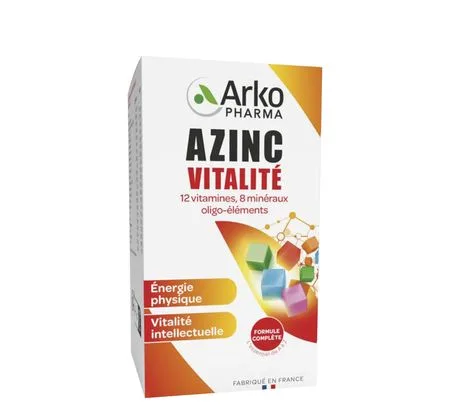
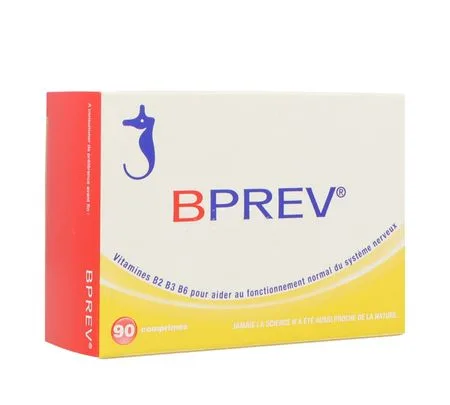
Vitamin C participates in collagen formation and absorption of non-haem iron. Vitamin D is involved in using calcium and phosphorus, both constituents of bone tissue. B vitamins have varied roles: B1 relates to carbohydrate metabolism, B6 to nervous-system functions and metabolic reactions, and folates to cell division. Magnesium participates in enzyme reactions, while iron forms part of haemoglobin. Iodine is a component of thyroid hormones. A micronutrient combination therefore brings precise functions together rather than acting as an energy-rich or high-protein food. These relationships explain the subject through the nutrients themselves and the distinct contributions they make to normal physiology.
Digestion, microbiota and biological timing
Soluble fibre, insoluble fibre and fermentability describe different properties. Fibre may provide a substrate for microorganisms, whereas microbial preparations supply organisms identified through their strains. Lactase is an enzyme that breaks lactose into glucose and galactose. These mechanisms explain digestive comfort ingredients. Sleep and alertness concern other subjects: melatonin relates to circadian timing, botanical preparations have their own plant compositions, and caffeine acts on the central nervous system. Nutrients involved in energy metabolism retain a different role from stimulation of wakefulness. Identifying the mechanism therefore distinguishes a fibre substrate, live organism, enzyme, hormone-related ingredient and source of caffeine.
Clinical nutrition: supply, digestion and texture
Oral nutritional supplements combine energy, protein and other nutrients in drinks, desserts and other food structures. Enteral preparations use the digestive route through a feeding tube. They may contain whole proteins or peptides obtained through hydrolysis, with defined fat and fibre profiles. Thickeners have another role: starches and gums modify viscosity and food flow. Texture and nutritional composition are therefore complementary dimensions. Foods for special medical purposes address assessed requirements and are used under medical supervision, with complete or partial profiles according to purpose. The food’s nutritional architecture remains distinct from the equipment used for its administration.
Adapted foods and oral rehydration
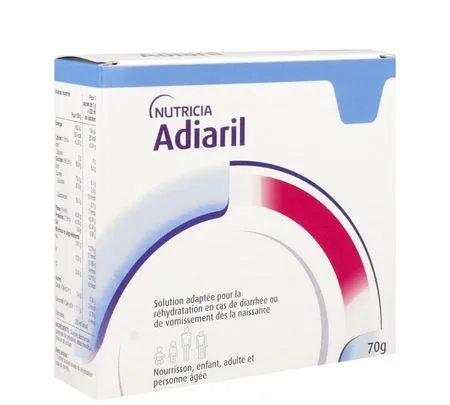
A dietary adaptation may concern one precise component. Gluten belongs to the proteins of certain cereals, while lactose is a milk sugar distinct from dairy proteins. Gluten-free recipes, reduced-lactose formulas and modified-texture foods therefore represent different changes. High-protein products focus on amino acids and their sources. Oral rehydration solutions instead combine water, glucose and electrolytes: intestinal glucose transport is linked to sodium transport and supports water absorption. This function explains a precise composition different from a caffeine-containing beverage or a food focused on protein supply. Ingredient identity and intended nutritional purpose therefore remain central across the broad subject.
Frequently asked questions
How do food supplements differ from oral nutritional supplements?
Food supplements concentrate nutrients or other substances in a supplementary food. Oral nutritional supplements provide a food profile including energy and protein within nutritional management. Composition and intended purpose distinguish them.
Why separate an ingredient’s function from a product’s effect?
A vitamin, protein or enzyme has a documented physiological role. A complete formula combines ingredients under defined conditions; its food claims concern that composition rather than a promise to treat disease.
Updated 10 November 2026
Sources and further reading
- DGCCRF — définition et nature alimentaire des compléments
- ANSES — références nutritionnelles en vitamines et minéraux, rapport humain
- ANSES/Afssa — flore intestinale, prébiotiques, probiotiques et spécificité des souches
- Assurance Maladie — horloge circadienne, lumière et sécrétion de mélatonine
- DGCCRF — denrées destinées à des fins médicales spéciales et besoins nutritionnels
- ANSES — protéines, acides aminés indispensables et sources alimentaires
- OMS — composition et principe des sels de réhydratation orale
- ANSES — protéines du lactosérum, caséines et acides aminés indispensables ; composition des ingrédients