Professional product catalogue
Tests & diagnostics
Tests and diagnostic articles include devices that detect markers, read reactions or collect specimens. This category separates infectious disease tests, pregnancy and ovulation tests, and analytical strips, containers and reagents. Understanding targets, biological samples and system construction helps pharmacy professionals describe each family accurately. It also keeps diagnostic orientation, analytical output and individual clinical conclusions distinct. A compact format or familiar display cannot establish that different devices have the same target, intended user or compatible components.
Products in this category
10 products

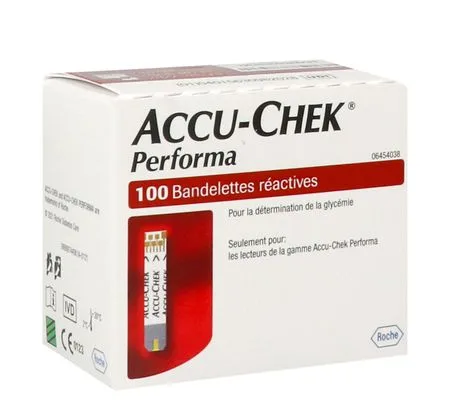
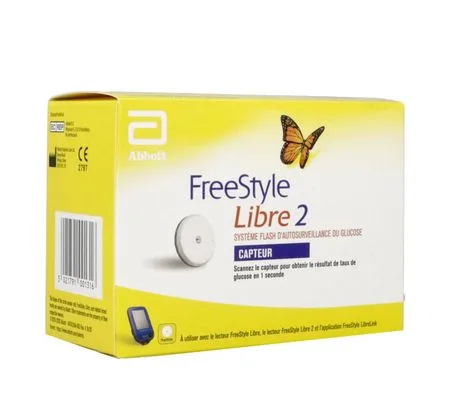

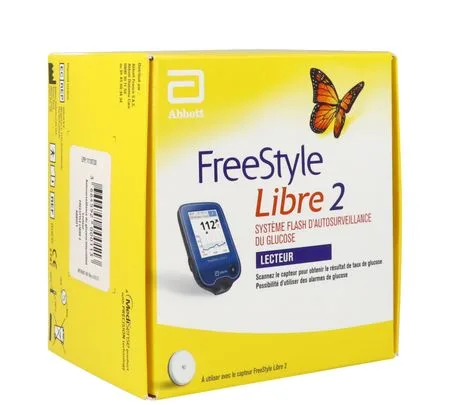

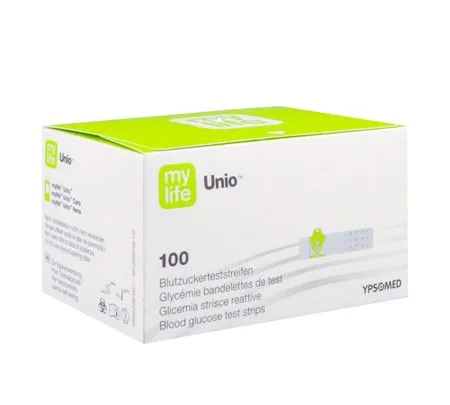

Understanding tests & diagnostics
Infectious disease tests and targets
SARS-CoV-2, influenza A and B and group A streptococcus are different targets. Antigen tests detect components of an agent, while molecular approaches concern genetic material. Antibody detection represents another target again. A disease name therefore does not describe the full technology. Combination devices have a defined marker list rather than automatically detecting every respiratory agent. Analytical scope differs from external format, stated turnaround or the number of cassettes in a box. These distinctions explain the device without making a universal performance claim or deciding how an individual result should affect care.
Pregnancy and ovulation markers
Pregnancy tests commonly target hCG, while ovulation systems may detect LH and sometimes an additional hormonal indicator. The devices do not become interchangeable because both use urine. Strips, cassettes and sticks describe different constructions, and a screen can present words or symbols without providing a quantitative hormone assay. A reader and its refills form an associated system. Additional information offered by one instrument does not extend to the entire family. No external format alone constitutes a complete fertility assessment or guarantees an individual biological event such as conception.
Urine strips and reading methods
Urine strips combine reactive areas according to their intended panel. pH, leukocytes, nitrites, glucose, proteins and other markers are not included on every device. Parameter count describes scope rather than general quality. Reading may be visual, instrument-based or permitted in more than one way according to the system. Comparison scales and associated instruments are not universal. Qualitative or semi-quantitative output remains analytical information and should not be confused with a global diagnosis or interpretation of a complete set of clinical signs. The reactive support and its reading method therefore need description together.
Sampling and specimen containers
Swabs, collection pots and transfer systems have different material functions. Accepted samples belong to a test’s purpose: nasal, nasopharyngeal, throat and urine samples are not interchangeable. A receptacle has its own geometry, material and closure. Graduations and sterility are independent properties. A container may also include an additive or specific connection. Nominal volume alone therefore cannot establish every compatibility with an analysis, and a closed pot does not become sterile through its appearance. Collection accessories and reactive components remain separate, even when supplied together in the same complete kit.
Reagents, controls and intended users
A reagent contributes to a reaction or technical stage; buffers, calibrators and controls do not necessarily perform the same role. The system associates these components with a method and sometimes an instrument. Liquids, dry supports and forms requiring preparation are different presentations whose storage conditions are not universal. Professional or self-test purpose also needs explicit identification rather than inference from item count or apparent reading simplicity. This description remains separate from a protocol, performance promise or individual decision based on a result. It explains how the material components relate without prescribing how a person should be tested.
Frequently asked questions
Does a rapid result automatically provide a complete diagnosis?
A test has its own target, intended purpose and limitations. Speed is a separate characteristic and does not turn one isolated analytical marker into a complete clinical conclusion for every situation.
Why separate sampling, reagent and reading method?
They perform different functions within a system. Their compatibility and intended purposes need to be consistent; similar containers, colours or formats do not establish an appropriate combination.
Updated 10 November 2026
Sources and further reading
- Assurance Maladie — tests antigéniques et distinction avec la recherche du génome viral
- Biosynex — test combiné SARS-CoV-2 et grippe A/B, destination et composants
- Assurance Maladie — test rapide d’orientation diagnostique de l’angine
- Biosynex — principe d’un test urinaire de grossesse hCG
- Clearblue — cibles hormonales des tests d’ovulation et moniteurs
- ANSM — bandelettes urinaires, destinataire et modes de lecture
- Sarstedt — flacon de prélèvement, matériau, graduations, fermeture et stérilité