Professional product catalogue
Medicines
Medicines act on biological functions or disease-related agents through very different mechanisms. A substance can target a receptor, enzyme, cell or microorganism, while formulation also contributes to its characteristics. Analgesics, digestive medicines, hormones, anti-infectives and vaccines illustrate this diversity. For pharmacy professionals, understanding substances, combinations and pharmaceutical forms explains their functions without reducing a medicine to its trade name or pack. The complete preparation provides meaning alongside the active ingredient and its documented biological or pharmacological target.
Products in this category
11,168 products
 Biogaran
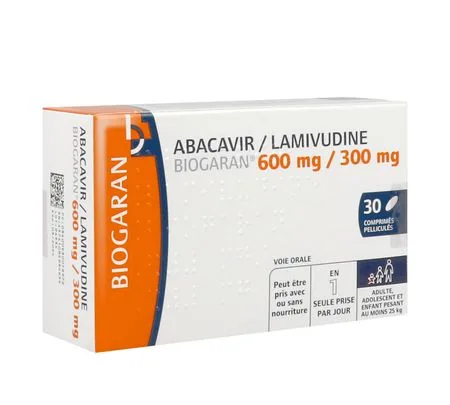
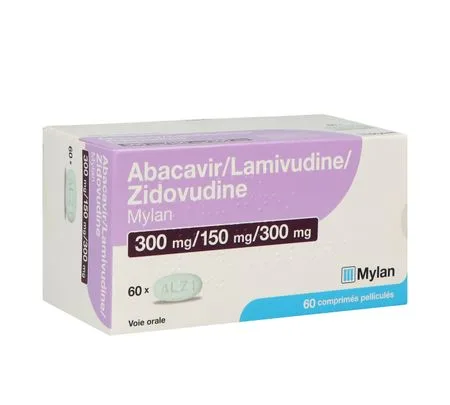
ABACAVIR/LAMIVUDINE BIOGARAN 600 mg/300 mg Orodispersible tablet Blister/30
CIP / EAN : 3400930076972
 Viatris Santé
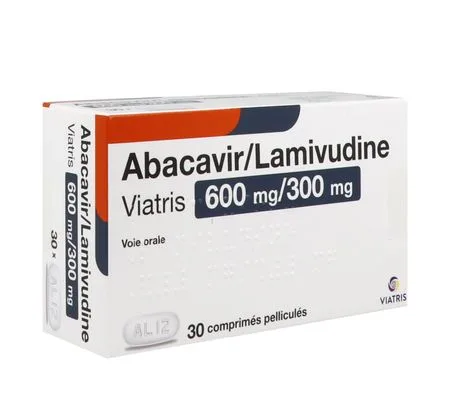
ABACAVIR/LAMIVUDINE VIATRIS 600 mg/300 mg Film-Coated Tablet Blister/30x1
CIP / EAN : 3400930130230
- Viatris Santé
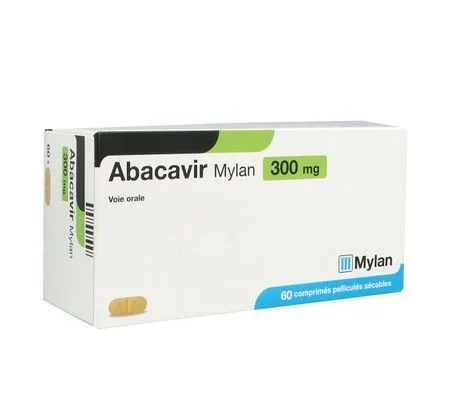
ABACAVIR VIATRIS 300 mg Scored Film-Coated Tablet Alu/Alu Blister 60x1
CIP / EAN : 3400930139448
 Lilly France
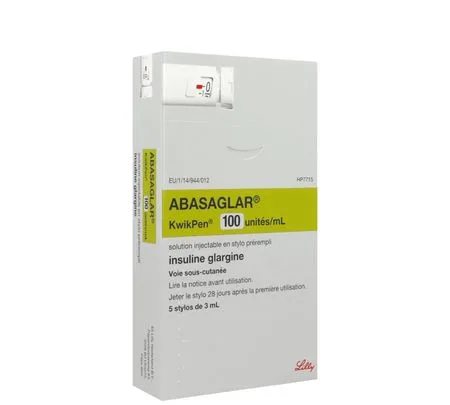
ABASAGLAR KWIKPEN 100 U/mL Solution for Injection in Prefilled Pen 5Pen/3mL (1 to 80 U)
CIP / EAN : 3400930040072
 Otsuka Pharmaceutical France SAS
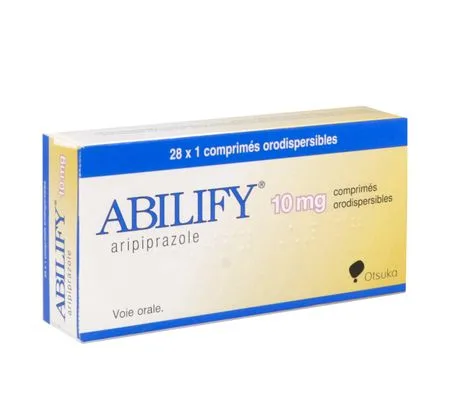
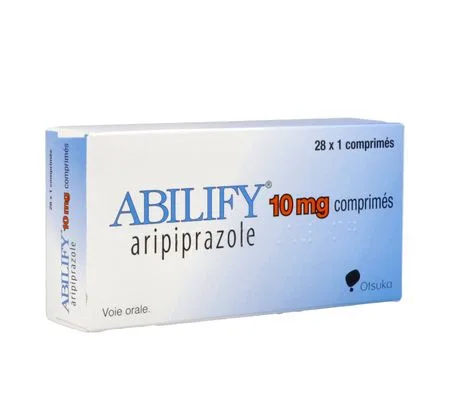
ABILIFY 10 mg Orodispersible tab Blister/28
CIP / EAN : 3400936921450
- Otsuka Pharmaceutical France SAS
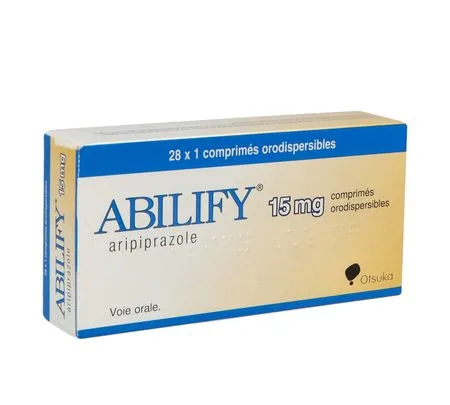
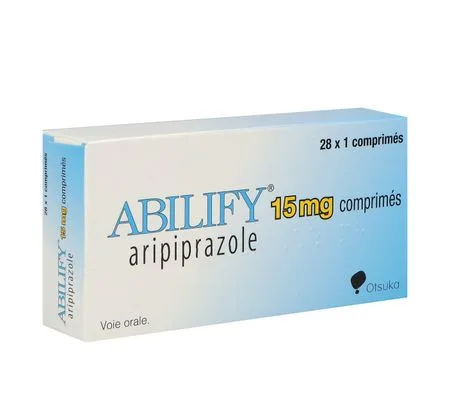
ABILIFY 15 mg Orodispersible tablet Blister/28
CIP / EAN : 3400936921740
- Viatris Santé
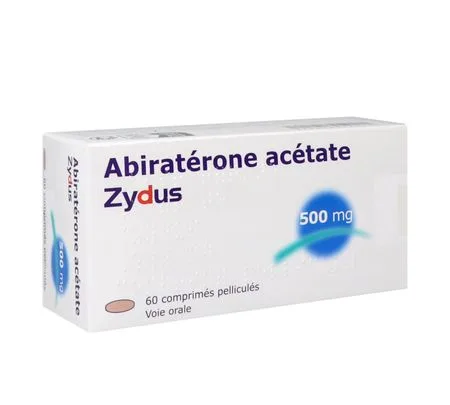
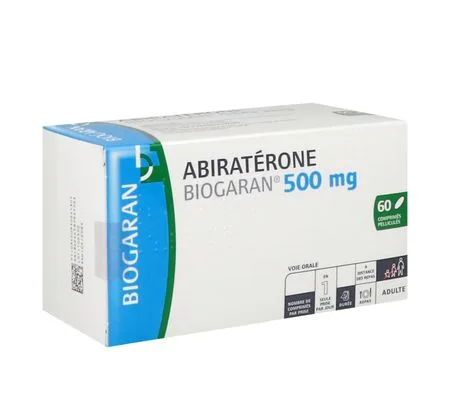
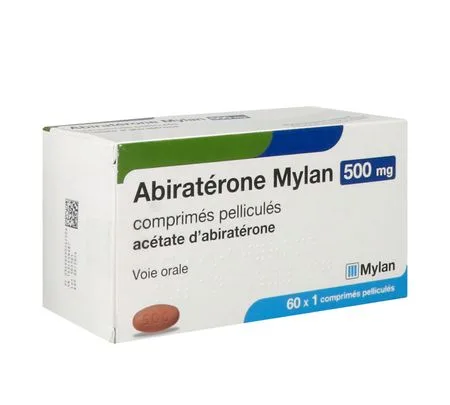
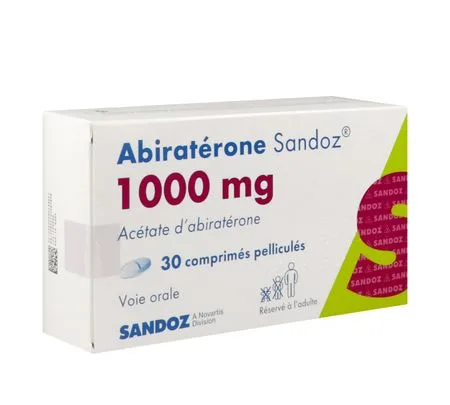
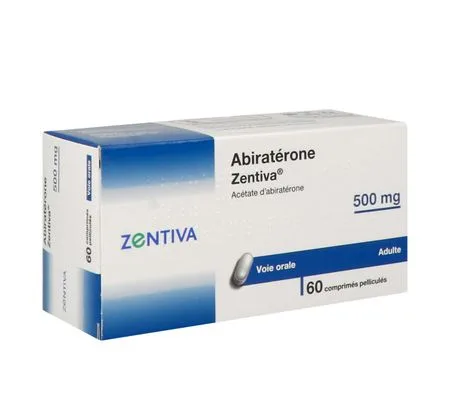
ABIRATERONE MYLAN 500 mg Film-Coated Tablet Blister Alu/PVC/PE/PVDC/60x1
CIP / EAN : 3400930242506
 Pfizer
ABRYSVO Powder/Solvent for Solution for Injection Vial+adapter+syringe+needle
CIP / EAN : 3400930275573





Understanding medicines
Active substances, combinations and medicinal products
An active substance is the component responsible for a medicine’s pharmacological activity. A medicinal product may contain one ingredient or several brought together in a combination. Its trade name and nonproprietary name convey different information: the latter helps identify a substance behind several product names. Excipients contribute to formulation, stability and presentation characteristics. Some have documented considerations relevant to particular populations. Describing a medicine therefore involves its complete composition and pharmaceutical form rather than only a molecule name or the company associated with its pack. A combination remains a complete product rather than a shorthand reference to its first ingredient.
Therapeutic fields and mechanisms
A field such as cardiology, dermatology or neurology can bring together very different mechanisms. Anticoagulants act on coagulation, lipid-lowering medicines address lipid metabolism and antihypertensives involve pathways regulating blood pressure. Within digestion, an acid-related medicine differs from a laxative or an antiemetic. Cardiovascular function can consequently concern cardiac muscle, blood vessels, coagulation or lipids, depending on the substance. Specialty medicines, hormonal treatments, antineoplastic medicines and vaccines also retain their respective scopes. Their targets and modes of action remain distinct, so a shared therapeutic field does not establish the same indications, formulations or clinical role for every medicine.
Pharmaceutical form is part of the medicine
Tablet, capsule, solution, suspension, cream, eye drop, inhaled preparation and injectable form describe different pharmaceutical designs. Prolonged release and gastro-resistance do not mean the same thing: one concerns availability of the substance over time, while the other concerns resistance to the gastric environment. Local preparations also differ from forms intended for systemic action. Liquid concentration, quantity per unit and container volume are separate dimensions. This vocabulary explains presentations without reducing them to pack size or packaging appearance. It helps pharmacy teams recognise why products containing related substances can nevertheless require distinct interpretation of their formulation and administration characteristics.
Medicines, medical devices and nutrition
Products used in the same healthcare context can have different regulatory statuses. Insulin is a medicine, while an injection needle or blood glucose reader belongs to medical equipment. A constipation medicine differs from a fibre-containing food supplement. Likewise, cosmetics and dermatological medicines are not defined solely by the word skin. Their medicinal, equipment-related or nutritional nature reflects different functions. A shared field of need does not establish a common regulatory status or authorised indication, and is insufficient to make two products therapeutic alternatives. Distinguishing their roles also explains why equipment, medicines and nutritional products may appear in related professional work without belonging to one product class.
Receptors, enzymes and immune responses
Receptors receive biological signals, while enzymes participate in chemical transformations. Some medicines modulate those targets; others affect microorganism multiplication or cellular processes. Hormones and agents influencing their functions form further distinct fields. Vaccines involve a specific immune response to antigens, a principle different from antibiotic or antiviral action. One clinical function can therefore relate to several pharmacological pathways. These distinctions explain why indication, mechanism and pharmaceutical form provide complementary information without making every substance within a field equivalent. The biological target describes one dimension of a medicine, while complete formulation and authorised information establish the characteristics of the particular preparation.
Frequently asked questions
Do active substance and medicinal product mean the same thing?
No. An active substance is a component of a medicine. The medicinal product is a defined preparation with its composition, substance content, pharmaceutical form and presentation, retaining particular characteristics.
Are devices and supplements medicines?
They have distinct regulatory statuses. Being used in the same healthcare context does not turn them into medicinal products. These products have different natures and functions even where their clinical destinations are related.
Updated 10 November 2026
Sources and further reading