Professional product catalogue
Medical equipment
Medical equipment includes instruments, wearable devices and consumables with very different functions. This category separates diabetes self-monitoring, inhalation, orthopaedics and compression, home care and measurement devices. Understanding architectures and component combinations helps pharmacy professionals describe each family beyond its name. Intended purpose, materials and compatibility remain distinct from an individual indication or care protocol. A complete device, its replaceable contact accessory and its consumable do not automatically have the same role or intended service life.
Products in this category
374 products
 Roche Diagnostics France
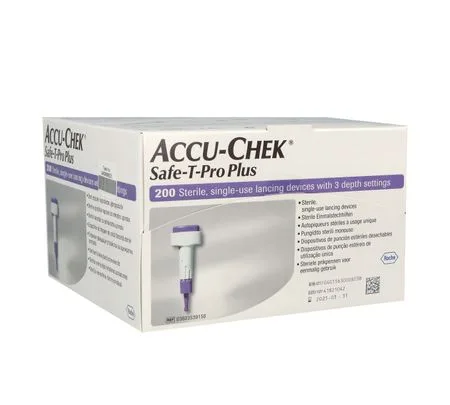
ACCU CHEK SAFE T PRO PLUS Single-Use Lancing Device Box/200
CIP / EAN : 4015630006038
 Trudell Medical International
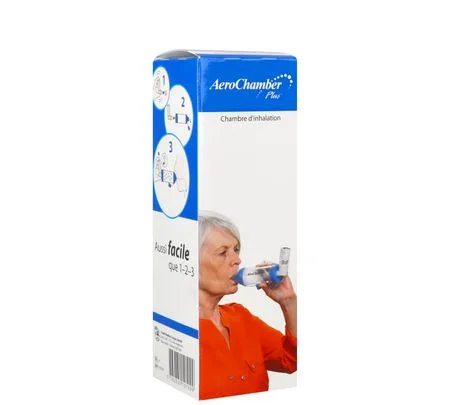
AEROCHAMBER PLUS Inhalation chamber adult child
CIP / EAN : 3401045635566
- Trudell Medical International
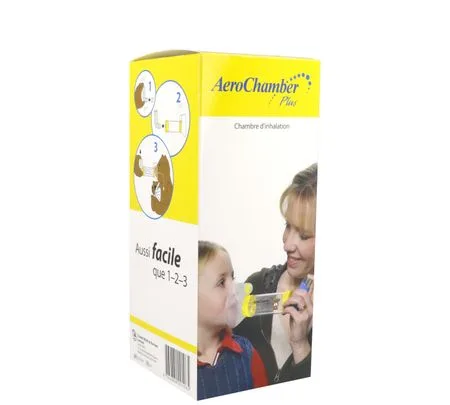
AEROCHAMBER PLUS Inhalation chamber with mask for child
CIP / EAN : 3401095566216
 Smith & Nephew SAS
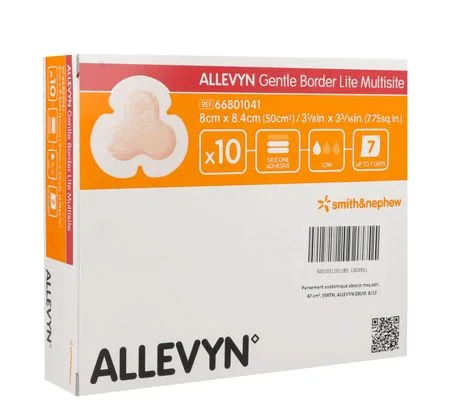
ALLEVYN GENTLE BORDER LITE MULTISITE Hydrocellular dressing 8x8,4cm B/10
CIP / EAN : 5000223477721








Understanding medical equipment
Self-monitoring: instruments, reagents and sampling
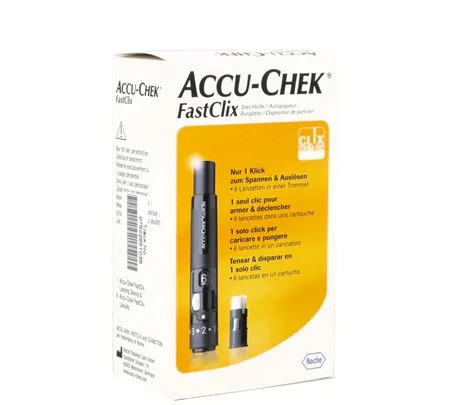
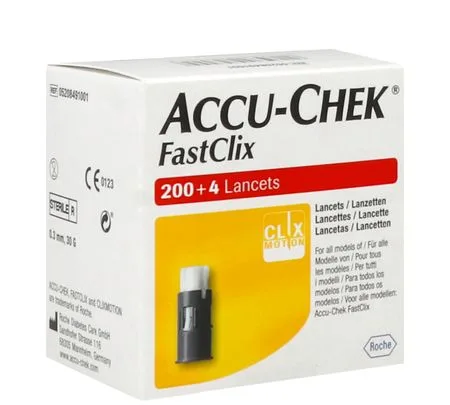
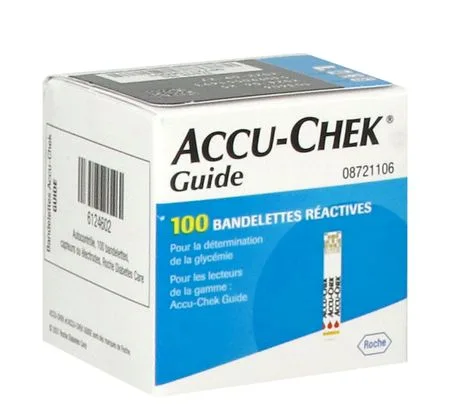
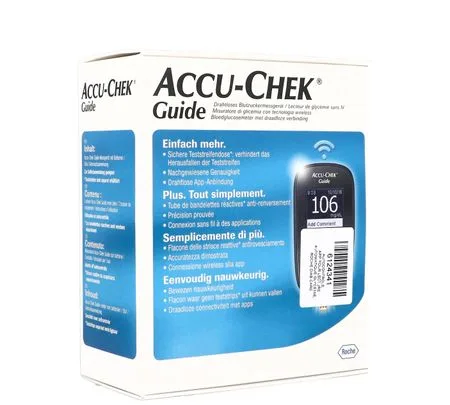
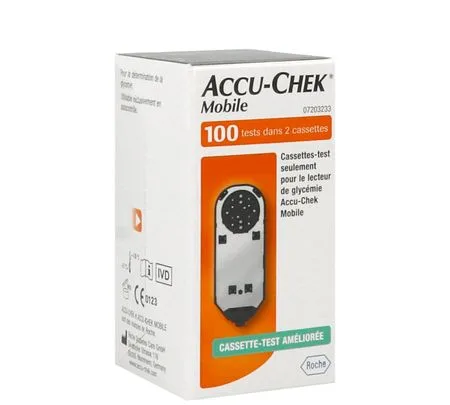
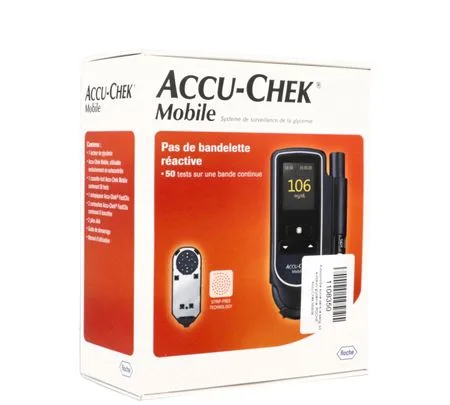
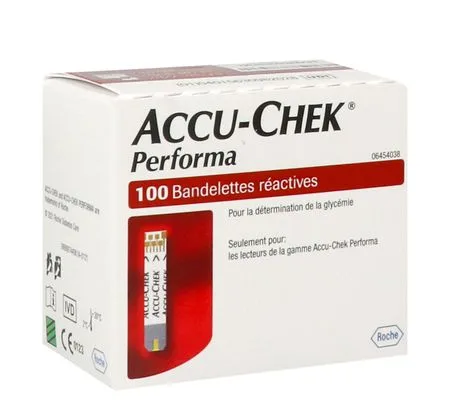
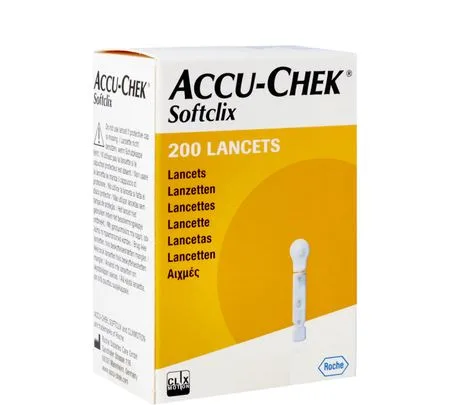
A blood glucose meter, test strip and lancet are different components. The meter reads a compatible reactive support, while the lancet concerns sampling. An interstitial glucose sensor has a different architecture from a single blood measurement. Receivers, transmitters and any software interfaces belong to the system. Pen needles instead have an administration role. The presence of these articles within the same diabetes equipment environment does not make them interchangeable or automatically included in every kit. Units and system compatibility give technical data their meaning, while interpretation and individual therapeutic decisions remain separate matters.
Inhalation: receiving or generating aerosol
A holding chamber receives aerosol from a compatible dose-delivering device, while nebulisation converts liquid into aerosol. Reservoirs, valves and interfaces belong to different constructions. Compressors and mesh membranes are not synonyms: they represent different generation principles. Masks and mouthpieces are administration accessories and differ from respiratory protective equipment. Reservoir capacity, aerosol characteristics and power supply are separate parameters that describe equipment rather than a dose or setting. The main generator and the consumable in which aerosol is formed also remain different components, even where they are supplied together in a complete system.
Orthopaedics and compression: mechanical functions
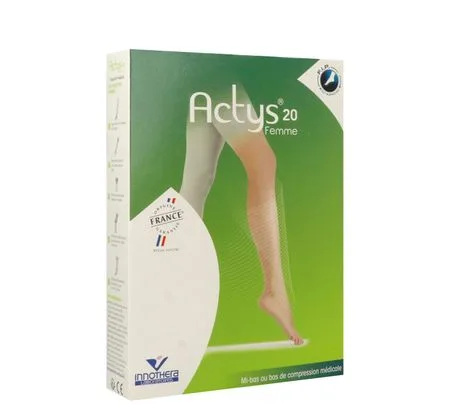
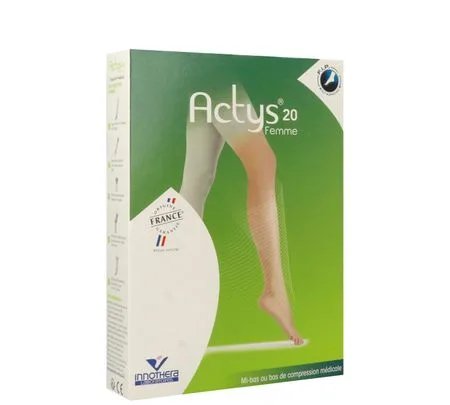
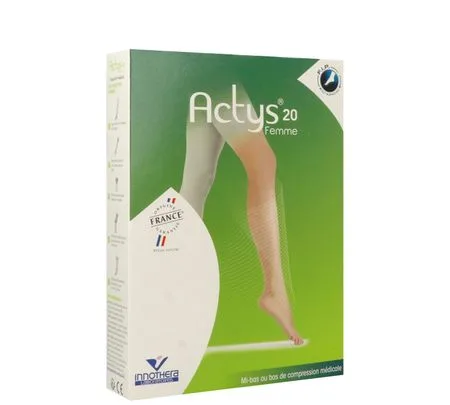
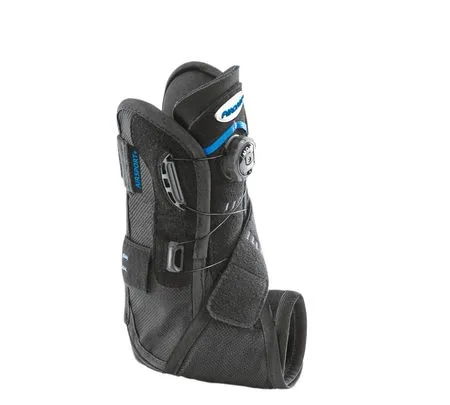
Orthoses may combine textiles, reinforcement, moulded elements, rigid frames and joints according to their purpose. Anatomical area, side and body measurements describe different characteristics. Venous compression uses devices with documented pressure and geometry, while class labels need their relevant pressure convention. Compression bandages also have their own mechanical behaviour, distinct from ordinary dressing retention. Stretch, adhesion and cohesion do not alone define therapeutic pressure. This approach preserves the differences between support, movement limitation and medical compression without assigning a clinical purpose from fabric appearance or choosing a setting for an individual.
Home care: collection, protection and mobility
Incontinence articles differ in shape, retention and absorbent structure. Ostomy appliances combine a pouch and skin barrier, either joined or connected through a coupling according to the architecture. Mobility aids have other constructions, including sticks, frames and wheeled devices. Handles, brakes and tips are not arranged identically across all models. Size, equipment mass, maximum user load and folded dimensions provide separate information. Describing those elements explains the material without defining a walking or support technique. Durable equipment and worn consumables therefore remain distinct, despite their association within one home care equipment pathway.
Measurement: quantities, units and contact components
A blood pressure monitor measures pressure through a cuff system, a thermometer uses contact or thermal detection at an intended site, and a pulse oximeter estimates saturation optically. Pressure, temperature, saturation percentage and pulse frequency are different quantities. Displays may also show technical symbols, memory information and error messages. These organise data rather than establishing an autonomous diagnosis. Compatibility of cuffs, probes, covers and sensors remains essential: a visually similar part is not automatically universal. The complete device and replacement consumable should be described separately, while population-specific intended purposes remain attached to the documented instrument rather than the entire family.
Frequently asked questions
Is a physically connecting accessory necessarily compatible?
No. Functional compatibility depends on the intended design and system. Diameter, a shared brand or similar appearance does not establish that an accessory belongs with an instrument.
Why separate durable equipment from consumables?
They may have different functions, intended service lives and storage requirements. Separating them clarifies which component performs measurement, sampling, contact or retention within the complete assembly.
Updated 10 November 2026
Sources and further reading
- Assurance Maladie — autosurveillance glycémique et glucose interstitiel
- PARI — système de nébulisation et générateurs d’aérosols
- HAS — dispositifs de compression veineuse et propriétés techniques
- Coloplast — vocabulaire de l’appareillage de stomie, une pièce et deux pièces
- Assurance Maladie — appareils de mesure de pression artérielle et taille du brassard
- Assurance Maladie — types de thermomètres et sites de mesure
- HAS — caractéristiques et limites de l’oxymétrie de pouls