Professional product catalogue
Dressings & first aid
Dressings and first aid articles cover several complementary functions: wound contact, absorption, coverage, fixation, rinsing and skin protection. The main families include technical dressings, compresses and retention materials, wound care articles and selected first aid products. Understanding these functions helps pharmacy teams describe professional devices and assemblies precisely. It also keeps material construction, sterile presentation, antiseptic action and clinical purpose distinct, rather than treating a broad product family as a statement of equivalence or a universal care protocol.
Products in this category
232 products
 Smith & Nephew SAS
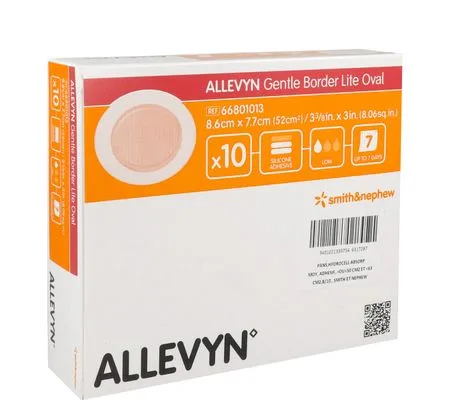
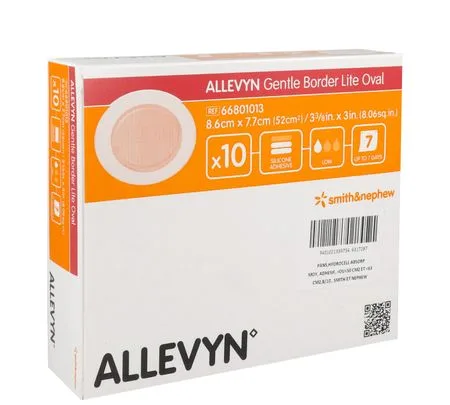
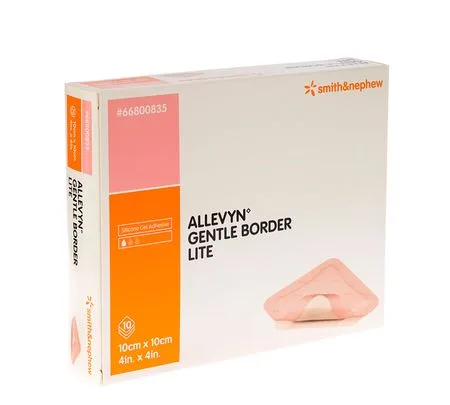
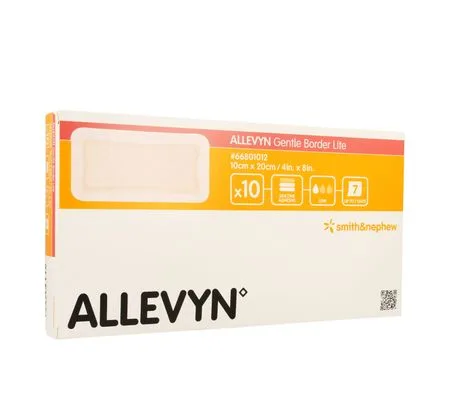
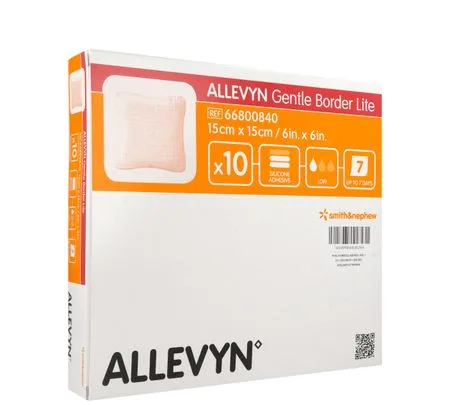
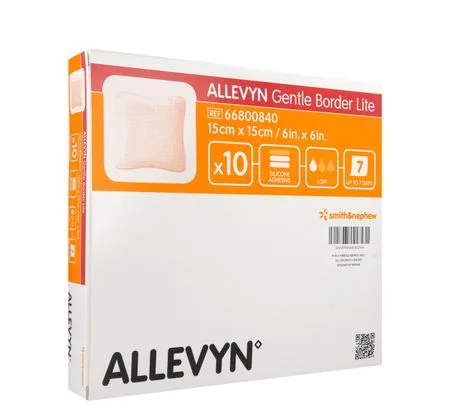
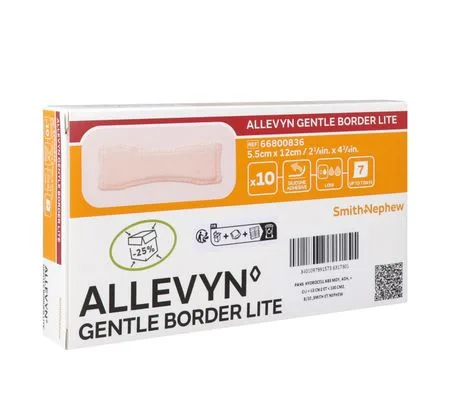
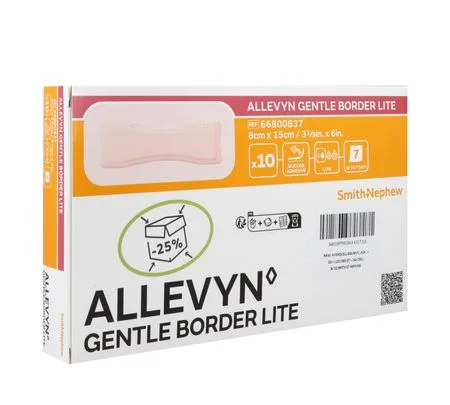
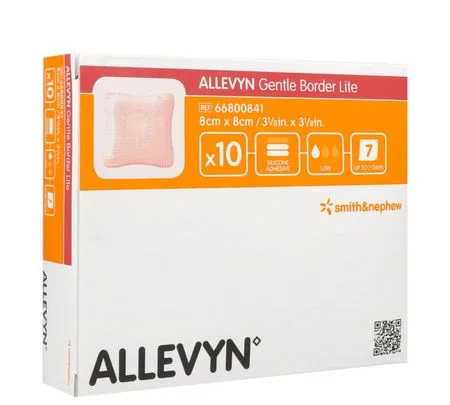
ALLEVYN GENTLE BORDER LITE MULTISITE Hydrocellular dressing 8x8,4cm B/10
CIP / EAN : 5000223477721
- Smith & Nephew SAS
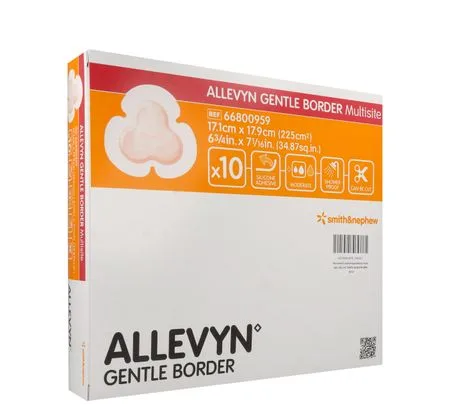
ALLEVYN GENTLE BORDER MULTISITE Hydrocellular dressing 17,1x17,9cm Box/10
CIP / EAN : 5000223476519




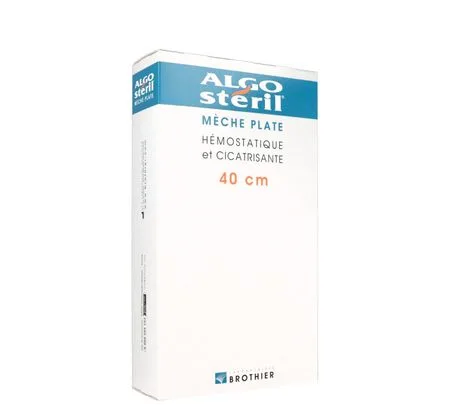
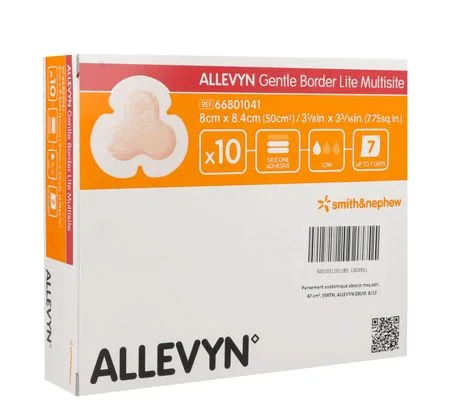
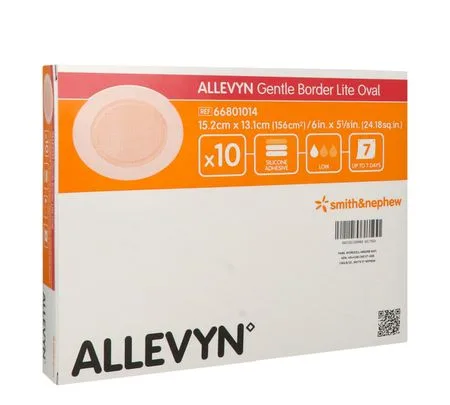
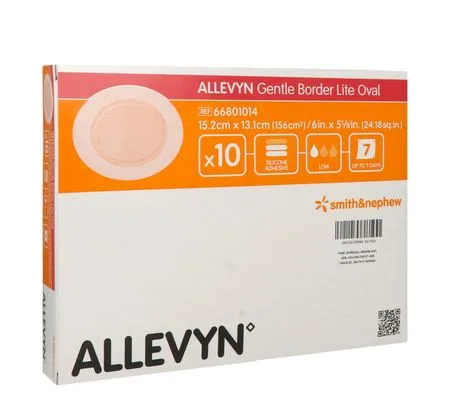
Understanding dressings & first aid
Technical dressings have different architectures
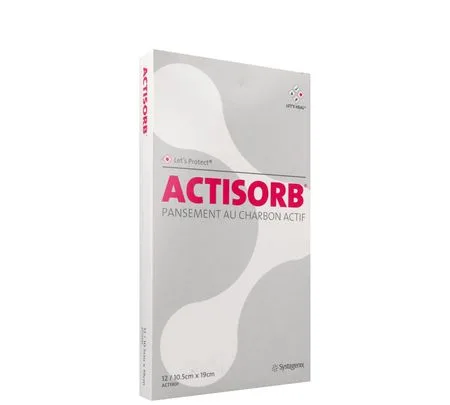
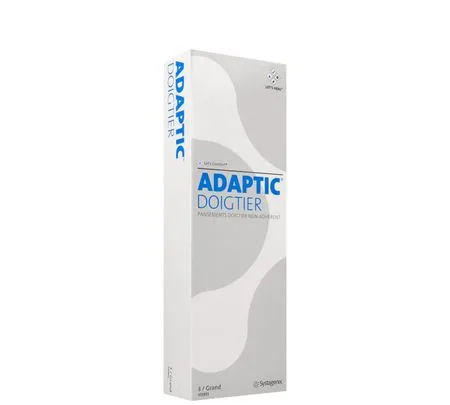
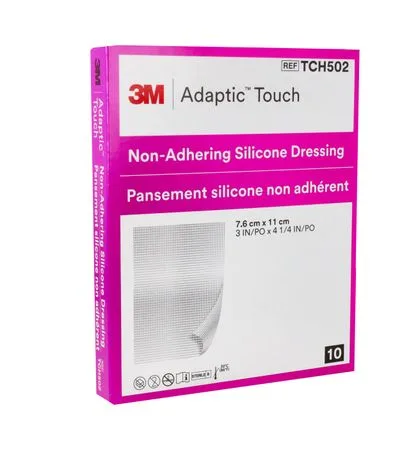
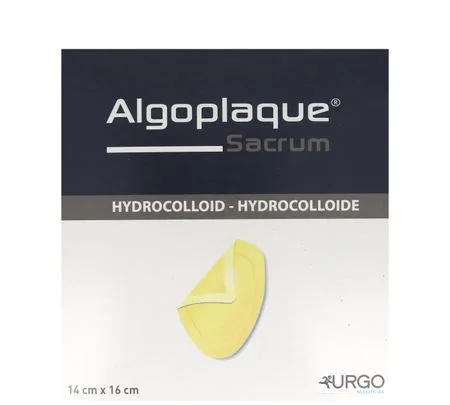
Foam, hydrocolloid and alginate dressings differ in structure. Foam dressings contain an absorbent foam core, hydrocolloids use a matrix, and alginates are fibrous materials. Contact layers and gauze-based constructions place greater emphasis on the contact surface. These are not quality grades or a compulsory sequence of products. Foam may contain several layers, a contact layer may need a separate absorbent component, and a sheet may have peripheral fixation. Material describes part of a device, while the complete architecture explains the combination of functions. An additional coating is therefore only one aspect of a wider construction.
Compresses, tapes and retention materials
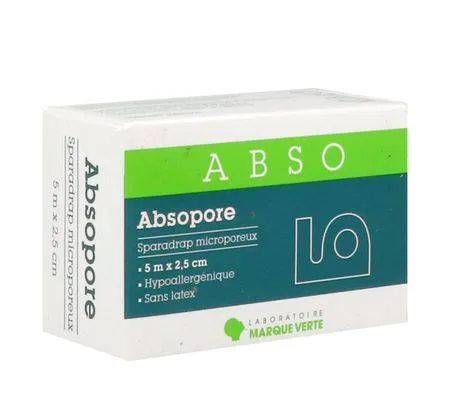
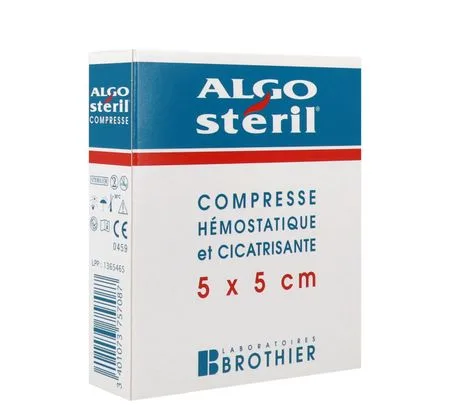
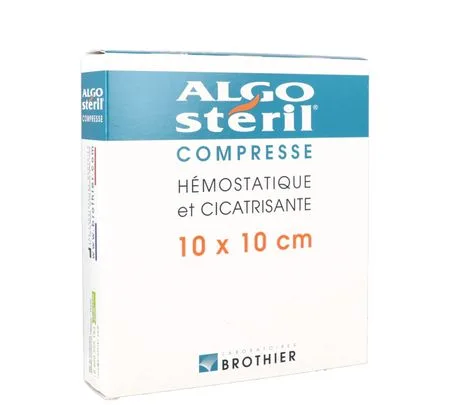
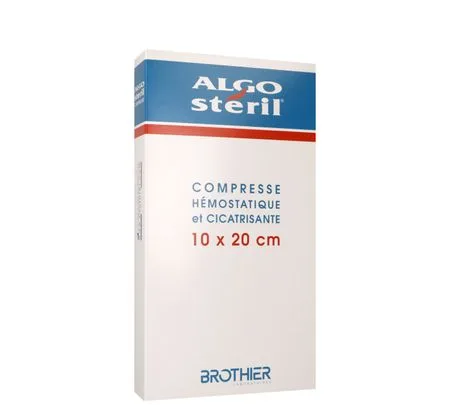
A compress provides a textile support, woven or nonwoven according to its composition. Ply count and dimensions add further description. Medical tape combines a backing with an adhesive, while a retention bandage may be cohesive, stretchable or constructed differently. Cohesion mainly describes overlapping layers attaching to one another, which differs from direct skin adhesion. These articles help separate absorption, contact and fixation within an assembly. Retention should not automatically be equated with therapeutic compression. Similar external appearances can therefore conceal meaningful differences in fibres, backing materials and the actual role performed by each component.
Rinsing, sets and surrounding skin
Care sets contain defined components, such as compresses, drapes, instruments or receptacles according to the assembly. A rinsing solution provides washing and is not inherently an antiseptic. Barrier products, including films and creams, concern surface protection within a stated purpose. These functions can complement each other but remain different. A solution, instrument or skin protector cannot be assumed to be included in every set. Similarly, compatibility with an adhesive belongs to a particular formulation and associated device. A useful professional description identifies each element rather than giving the entire arrangement one undifferentiated wound care label.
First aid: coverage, closure and cooling
Adhesive island dressings differ from skin closure strips. The former combine coverage and fixation; the latter have a defined closure function without being suture thread. Cold packs form another family. Disposable instant packs and reusable packs differ in preparation and construction. Covers and retention components are separate elements, whether supplied together or individually. The contents of first aid equipment depend on the relevant organisation and assessed risks. These families therefore describe articles rather than creating a universal first aid kit or deciding which care action is appropriate in an individual situation.
Dimensions and presentation clarify the terminology
The overall size of a bordered dressing may exceed its central pad dimensions. Bandage length may be stated at rest or after stretching. An item count can refer to components inside a set, strips on a carrier or pouches inside a box. These concrete distinctions make professional descriptions more precise. Sterility must also be explicitly declared for a protected presentation; it does not follow from colour, category or a closed outer box. A device, an antiseptic substance and a fixation article retain their own functions and status. Clear terminology allows those differences to remain visible even when the articles are considered together in one professional requirement.
Frequently asked questions
Is a technical dressing necessarily a medicine?
No. Material and construction do not establish medicinal status. An active substance, antiseptic function or particular product status needs to be explicitly identified for the article concerned.
Why separate sterility, absorption and adhesion?
They describe independent properties. An article may absorb without being adhesive, or provide retention without being sterile. Combining them into one judgement would hide important information about its construction and function.
Updated 10 November 2026
Sources and further reading