 Laboratoires Dermatologiques A-DERMA
ADERMA CUTALGAN Ultra-soothing refreshing spray Bottle/100ml
CIP / EAN : 3282770209648
Professional product catalogue
Hygiene and care brings together products for cleansing, maintaining, moisturising or protecting the skin, hair, mouth and intimate areas, alongside professional hygiene equipment. These functions involve substantially different ingredients and materials: cleansing agents, fats, humectants, sun filters, textiles and films. For pharmacy teams, understanding those differences supports precise descriptions of cosmetics, disinfection preparations and equipment. Intended area, formulation, texture and documented purpose provide useful foundations before considering practical details such as application method and container format.
435 products
Laboratoires Dermatologiques A-DERMACIP / EAN : 3282770209648
Laboratoires Dermatologiques A-DERMACIP / EAN : 3282770104790
Laboratoires Dermatologiques A-DERMACIP / EAN : 3282770104783
Laboratoires Dermatologiques A-DERMACIP / EAN : 3282770393712
Laboratoires Dermatologiques A-DERMACIP / EAN : 3282770149814
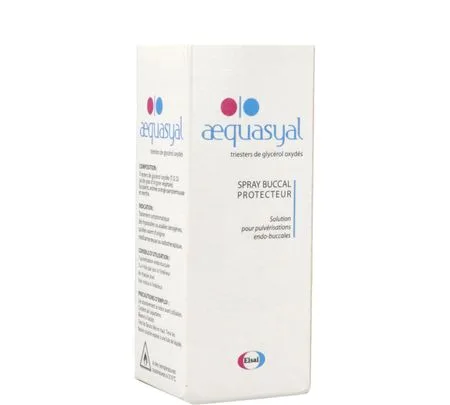
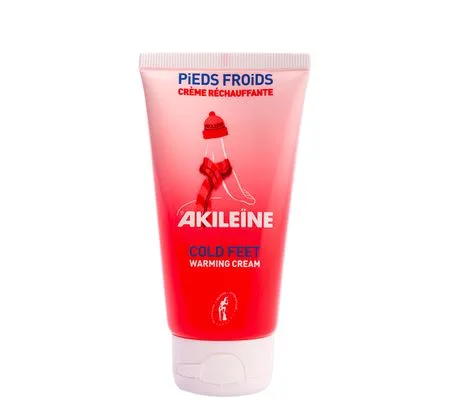
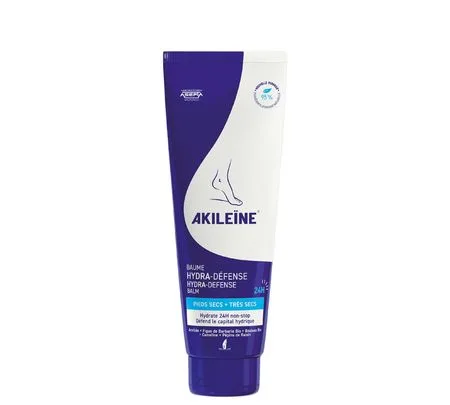
 La Roche Posay
CIP / EAN : 3337875588539
La Roche PosayCIP / EAN : 3401354336956
 La Roche Posay
CIP / EAN : 3401394929736
Cleansers use a washing base to remove soiling according to their intended purpose; gels, oils and creams have different textures and rinsing requirements. Moisturisers often combine water, humectants such as glycerol and fats in balances specific to each formula. Fluid lotions and rich balms leave different sensations. For hair, shampoos, conditioners and masks divide between washing and care of the lengths. Scalp preparations and non-medicinal head lice products have specific purposes, sometimes with dedicated applicators or accessories. These formulation differences explain more about a range than a shared brand name or similar-looking packaging. Rinse-off cleansers and leave-on preparations also differ in their contact pattern. This helps explain why a wash gel, conditioning mask and body lotion need separate application descriptions even when supplied in similar pump bottles.
Toothpastes, toothbrushes and interdental brushes provide complementary functions: a paste's formulation, cleaning tooth surfaces and reaching narrow spaces. Stated fluoride, intended age, bristle softness and passage diameter are different comparison criteria. Mouthwashes have their own compositions and sometimes medicinal status. Intimate hygiene covers external washing, local moisturising and menstrual products. Cleansing gels, creams, tampons, pads and cups differ in contact, material and practical mechanism: washing, moisturising, absorbing or collecting. Understanding those purposes creates meaningful descriptions of products that otherwise share a broad everyday-care context but are handled in very different ways.
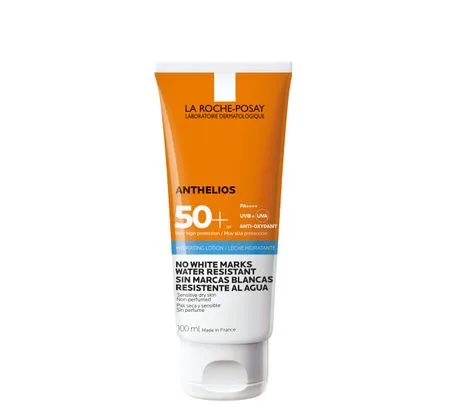
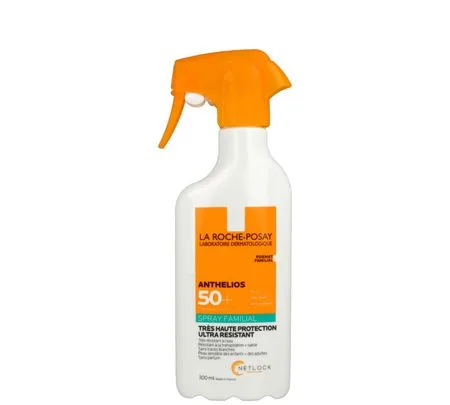
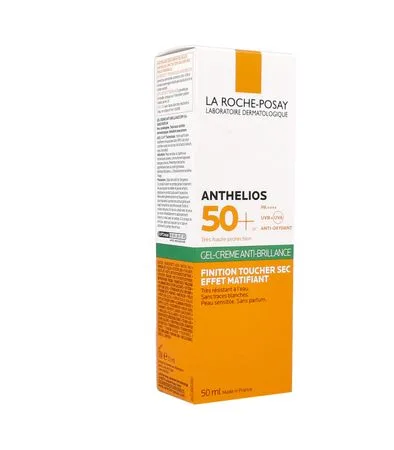
Sun-protection products provide UVB and UVA information to read alongside their formulation. Facial fluids, body lotions, sticks and sprays involve different application methods. Tint, finish and stated water resistance add reference-specific characteristics. After-sun products and cosmetic repair preparations are instead described through texture, moisturising properties and their stated comfort purpose after exposure. Protection sits within a broader approach involving clothing and shade. Formula information and conditions of use provide more precision than a single marketing adjective, while intended areas help explain the difference between compact local products and larger body formats.
Washing soap, used with water and rinsing, differs from an alcohol-based preparation intended for hand rubbing. Fluid solutions and gels have different viscosities and sometimes different supporting ingredients. For surfaces and equipment, detergents, disinfectants and impregnated wipes have specific functions and contact conditions. Equipment materials, suitability for wiping or immersion and manufacturer instructions determine compatibility. A nonwoven substrate, spray mechanism or refill container then adds practical characteristics to an identified preparation. The complete description connects product, method and target surface rather than treating all hygiene liquids as one interchangeable group.
Masks, gloves, gowns, aprons, head covers and overshoes serve different purposes. Medical masks and respiratory protective devices have distinct functions. For gloves, nitrile, latex and vinyl are materials to consider alongside the task and documented performance. Cut, size, cuff, fastenings and material layers describe protective-product construction. Sterile and single-use have separate meanings. Professional information therefore brings together purpose, material and instructions, whether the reference is a covering accessory or equipment intended for an identified risk. Individual wrapping, pair counts and supplied accessories add further practical detail without replacing the technical description.
Purpose, target surface or body area, composition and directions provide the initial framework. Further characteristics depend on the subject: skincare texture, interdental-brush diameter or glove material.
Cosmetics, medicines, biocides, medical devices and protective equipment have their own purposes and information requirements. Stated status helps explain product claims, instructions and documented characteristics.
Updated 10 November 2026
Sources and further reading