 Laboratoires Dermatologiques A-DERMA
ADERMA CUTALGAN Ultra-soothing refreshing spray Bottle/100ml
CIP / EAN : 3282770209648
Professional product catalogue
Face and body care covers three complementary functions: cleansing, moisturising and providing comfort for sensitive skin. Cleansing water, wash gel, body lotion and facial balm differ in texture and intended use. For pharmacy professionals, understanding formulation and application is more informative than comparing pack sizes alone. The intended areas, rinsing requirements, richness of the texture and ingredient list provide a useful framework for describing products and explaining the differences within a skincare range.
223 products
Laboratoires Dermatologiques A-DERMACIP / EAN : 3282770209648
Laboratoires Dermatologiques A-DERMACIP / EAN : 3282770104790
Laboratoires Dermatologiques A-DERMACIP / EAN : 3282770104783
Laboratoires Dermatologiques A-DERMACIP / EAN : 3282770393712
Laboratoires Dermatologiques A-DERMACIP / EAN : 3282770149814
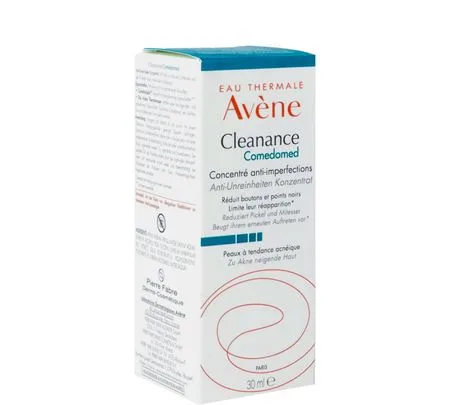
 Avène
CIP / EAN : 3282770202854
Cleansers combine ingredients intended to remove dirt and, where specified, make-up. Wash gels and cleansing creams have rinsing instructions determined by their formulation; waters and lotions follow their own directions. A cleansing oil, micellar water and cleansing bar differ in their base and application method. The intended area also matters: face, hands and larger body surfaces place different demands on spreading, dispensing and the amount of product handled during use.
Moisturising textures may combine a water phase, fats and humectant ingredients. Glycerol, for example, is a different formulation component from a plant oil. Fluid lotions, creams and balms differ in how they spread and the film they leave after application. Texture descriptions, fragrance information and face or body use help explain these differences without placing light and rich formulas in a universal hierarchy. The overall formulation provides more context than one highlighted ingredient.
Ranges intended for sensitive skin often emphasise comfort, ease of use or particular composition features. Ingredient lists, intended areas and instructions remain the shared reference points. A local facial preparation, body balm and hand cream have different application requirements. Described dryness, tightness and texture preferences offer useful discussion points within the product's cosmetic purpose. Clear descriptions also distinguish a rinse-off cleanser from a leave-on preparation even when both belong to the same sensitive-skin range.
The eye contour, lips, hands and feet may have dedicated products with their own applicators and directions. Larger body packs often use pumps, while tubes and sticks suit smaller areas. Products incorporating sun protection add further comparison criteria relating to filters and stated protection. A clearly identified area therefore conveys more practical information than a broad everyday-care label. Shape, spreading properties and the desired finish all contribute to how a presentation is described.
Cosmetic labelling includes ingredients and information on use. Where relevant, the period-after-opening symbol provides a reference separate from the pack volume. Jars, tubes, bottles and refills each have their own dispensing and closure arrangements. These details complement texture when describing a pharmacy range: the same moisturising purpose can appear in several formats with different handling, portability and quantities. Refills also need to be matched with the container system for which they were designed.
Texture names alone are insufficient. Intended purpose, rinsing directions and the stated function distinguish cleansing from a product left on the skin.
Intended area, texture, ingredients and dispensing format provide common reference points. Pack volume then adds a separate practical comparison.
Updated 10 November 2026
Sources and further reading