Professional product catalogue
Hand hygiene
Hand hygiene brings together products for washing with water and preparations for alcohol-based hand rubbing. Liquid soaps, cleansing bars, solutions and gels differ in purpose, texture and directions. Composition, viscosity, dispensing method and stated use help explain those differences. For pharmacies, small personal bottles, shared pump formats and refills also need to be understood as practical presentations of an identified product, with their own handling features and compatibility requirements for the dispensing system.
Products in this category
6 products
 La Roche Posay
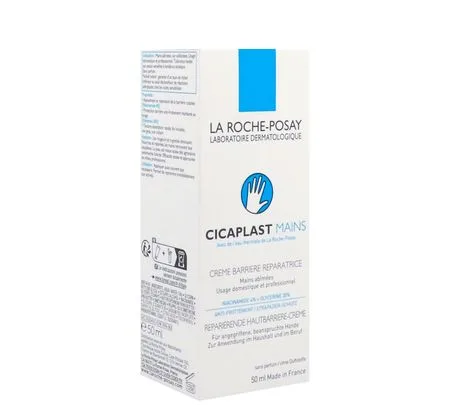
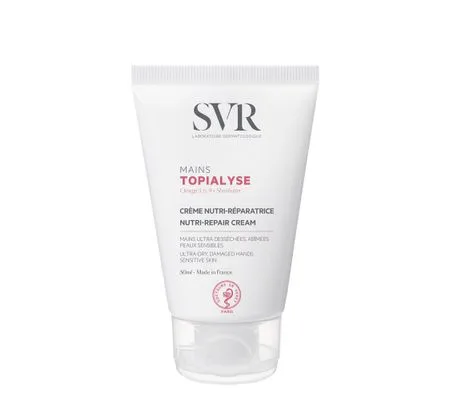
CICAPLAST HANDS LA ROCHE POSAY Repairing barrier cream Tube/50ml
CIP / EAN : 3401561204550



Understanding hand hygiene
Washing soaps and cleansing bases
Washing uses a product intended for water and rinsing. Liquid soap, bars and soap-free cleansing bases differ in composition and dispensing. Cleansing ingredients, fragrance and components included for skin feel characterise the formula. Professional formats may use a closed refill or dedicated dispenser. Container compatibility then matters alongside the available quantity. A refill's dimensions and connection system provide practical information separate from the ingredients of the washing preparation it contains.
Alcohol-based solutions and gels
Alcohol-based preparations intended for hand hygiene include fluid solutions and more viscous gels. Their instructions specify purpose, conditions of use and product claims. Liquids and gels may contain different supporting ingredients. Texture helps describe handling, while composition and manufacturer documentation explain the stated function. These details are read together rather than inferring activity from viscosity. Clear descriptions identify a preparation intended for hands and preserve any reference-specific directions for application and contact.
Comparison criteria for each format
For soap, rinsing requirements and the cleansing base are central. For a hand rub, intended hand use, composition and stated contact conditions are essential. Disinfection claims rely on the documentation for the individual reference. Surface products have a different purpose. This distinction gives precise meaning to the vocabulary used and keeps comparisons based on function rather than the presence of alcohol or a pump. Cosmetic hand washes also have their own labelling framework.
Pumps, dispensers and refill systems
Pocket bottles, counter pumps and wall-mounted cartridges differ in capacity, stability and closure. Some refills are dedicated to a dispenser family, while other formats are used directly. The amount dispensed depends on the mechanism's design. Dimensions, mounting accessories and replacement method therefore need to be documented for equipment separately from the formulation. Dispenser-maintenance instructions complement the product directions, particularly where a system includes reusable external parts and sealed replacement containers.
Skin hygiene in professional settings
INRS discusses occupational skin-hygiene products in relation to work situations and the kinds of soiling encountered. Frequency of use, glove wearing and container handling form part of that context. Hand moisturisers provide a complementary care function with their own textures. For pharmacy teams, washing, rubbing and care are useful terms for explaining the whole range while keeping each preparation's instructions visible. Travel packs and larger dispensers then add differences in organisation rather than necessarily changing the product's purpose.
Frequently asked questions
Is the difference between gel and solution only the bottle?
Viscosity and formulation are important differences. Bottle design, pump and quantity are additional presentation features to consider.
Does any refill fit any dispenser?
Mounting, connections and dispensing mechanisms may be specific. Declared compatibility links a refill with the equipment intended to receive it.
Updated 10 November 2026
Sources and further reading