Professional product catalogue
Intimate hygiene
Intimate hygiene includes external cleansing products, local moisturising care and menstrual protection. These three groups differ in materials, formulations and contact with the body. Cleansers are compared through intended area and rinsing requirements; protection products through shape, absorbency or capacity. For professionals, these distinctions make the category easier to explain and allow each product to be described according to its actual purpose, including the practical differences between disposable and reusable presentations.
Products in this category
43 products
 Biocodex
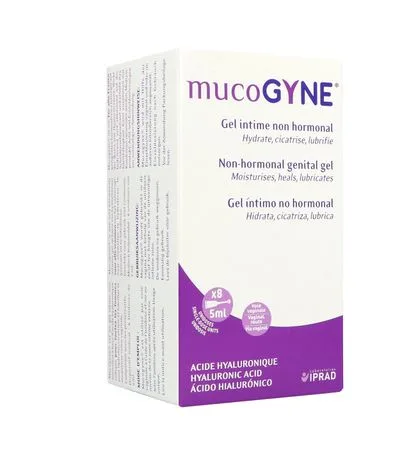
MUCOGYNE SAFORELLE Non-hormonal intimate gel with liposomal hyaluronic acid 8Single-dose/5ml
CIP / EAN : 3401040392006
- Biocodex
MUCOGYNE SAFORELLE Non-hormonal intimate gel with liposomal hyaluronic acid T/40ml
CIP / EAN : 3401571269686
- Biocodex
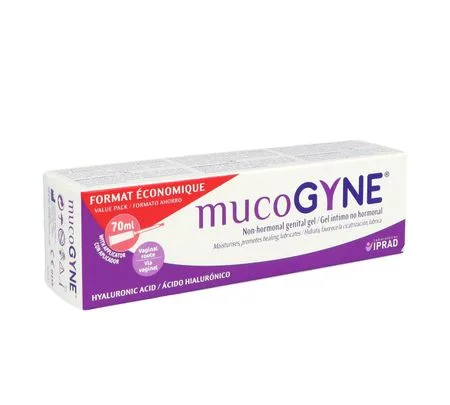
MUCOGYNE SAFORELLE Non-hormonal intimate gel with liposomal hyaluronic acid T/70ml
CIP / EAN : 3700399101384
 Procare Health France
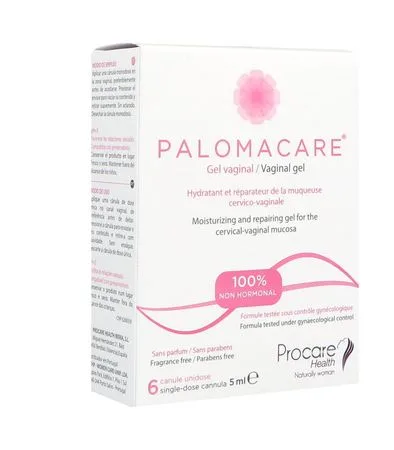
PALOMACARE Hydrating repairing vaginal gel 6 cannulas/5ml
CIP / EAN : 8470001837820
- Procare Health France
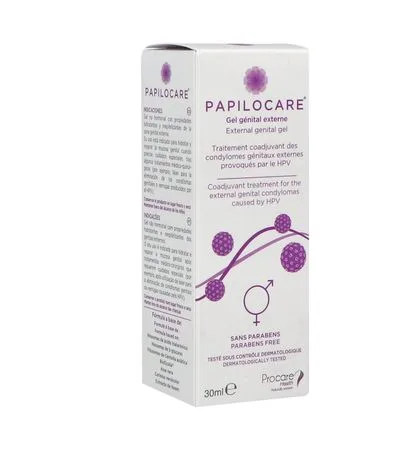
PAPILOCARE Re-epithelializing vaginal gel 7 cannulas/5ml
CIP / EAN : 8470001818164
- Biocodex
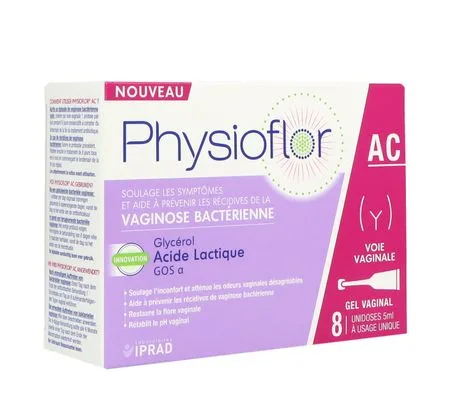
PHYSIOFLOR AC SAFORELLE acidifying and prebiotic vaginal gel 8Unit/5ml
CIP / EAN : 3700399100851



Understanding intimate hygiene
External cleansing gels, foams and washes
Intimate gels and foams are described through application areas, ingredients and rinsing instructions. External intimate washing remains distinct from use inside the vagina. A stated pH is one characteristic to read alongside the formula and intended population. Pump bottles and small tubes provide different dispensing arrangements. Fragrance, texture and product concentration complete a concrete description of the presentation. These details are more informative than assuming all products with an intimate-care label have the same application.
Moisturising care and applicator formats
Intimate moisturisers may be intended for the vulval area or an explicitly stated vaginal use. Gels, creams, single doses and products with applicators are handled differently. Water-based composition or other ingredients, application instructions and regulatory status need to be identified together. Moisturisers and lubricants may have overlapping or different purposes depending on the reference. The individual product description therefore provides the context for comparing their formulation, intended area and method of use.
Menstrual products: absorption or collection
Pads, tampons and period underwear use different absorbent constructions. Menstrual cups collect flow within a flexible reservoir. Dimensions, stated capacity, shape and any applicator are relevant criteria according to product type. Internal products have specific instructions and precautions. Menstrual protection also has a different intended purpose from absorbent products for urinary leakage, even when textile formats or packaging look similar. Understanding that distinction helps keep material and capacity comparisons on an appropriate basis.
Disposable products and reusable materials
Single-use products are described through features including unit count and individual wrapping. For washable pads and period underwear, size, textile layers and laundering instructions are essential information. Cups have their own cleaning, handling and replacement directions. Reuse depends on following those specific instructions. Stated materials and dimensions provide a more stable basis for comparison than broad comfort language, while storage cases and washing accessories add separate practical features to a reusable system.
Connecting features with practical circumstances
Travel format, opening mechanism, applicators and washing requirements influence everyday organisation. Descriptions benefit from identifying internal or external contact and the function involved: washing, moisturising, absorbing or collecting. Persistent or unusual symptoms warrant appropriate assessment. This focused clinical distinction leaves room for concrete product information while keeping a cleanser's purpose separate from infection treatment. It also clarifies why a protection product and a moisturising preparation belong to different kinds of comparison despite their shared intimate-care context.
Frequently asked questions
How does a cup differ from a tampon?
A cup collects flow in a reservoir, while a tampon absorbs it. Their dimensions, capacities, materials and care instructions require separate comparison.
Is an intimate gel always a cleanser?
No. Gel describes a texture. Its purpose may be cleansing, moisturising or lubrication; the instructions identify the function and intended area.
Updated 10 November 2026
Sources and further reading