Professional product catalogue
Oral hygiene
Oral hygiene combines tooth cleaning, care of the spaces between teeth and complementary products for the mouth. Toothpastes, mouthwashes, toothbrushes and interdental brushes serve different stages of care. Their comparison criteria are therefore specific: composition and intended age for a paste, diameter for an interdental brush and head shape for a toothbrush. A clear pharmacy range explains these functions and preserves the distinction between everyday products and references intended for a particular situation.
Products in this category
14 products
 Pierre Fabre Médicament
ELGYDIUM CLINIC CICALIUM Multidirectional spray, Bottle/15ml
CIP / EAN : 3577056017889
 Coopération Pharmaceutique Française
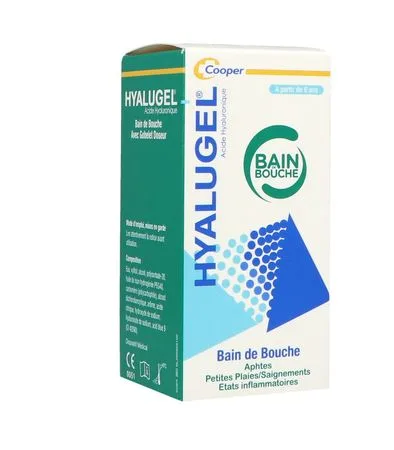
HYALUGEL Mouth Rinse for aphthae and oral lesions Fl/100ml+cup
CIP / EAN : 3401096071009
- Coopération Pharmaceutique Française
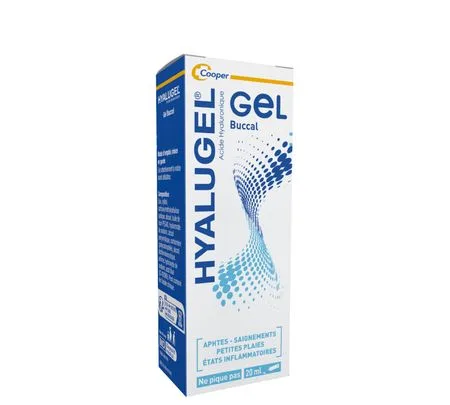
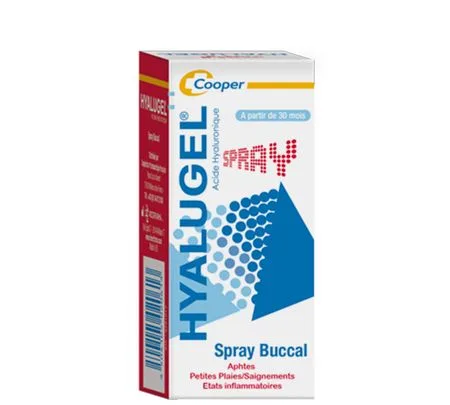
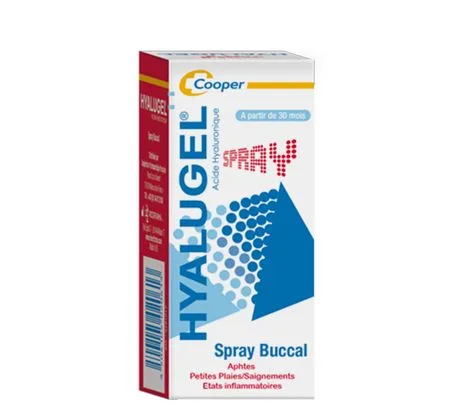
HYALUGEL S gingival anti-inflammatory Spray/20ml
CIP / EAN : 3504105020613
- Coopération Pharmaceutique Française
HYALUGEL S gingivale anti-inflammatoire Spray/20ml
CIP / EAN : 3401097812175

Understanding oral hygiene
Toothpaste formulation, texture and intended age
Toothpastes come as pastes, gels and other forms with different compositions and instructions. Fluoride content is read from the individual reference alongside its intended age range. Flavour and texture also help describe the product. Gum care, sensitivity and whitening descriptions refer to stated purposes that need to be considered with the formula. They do not supply the same information as the ingredient list, concentration details and directions printed on the pack.
Toothbrush heads, bristles and handles
Toothbrushes are described through head size and shape, bristle softness and grip. Manual brushes differ from powered models and their replacement heads. For replacement heads, compatibility with the handle is essential. Children's brushes have their own dimensions and age indications. Caps, cases and storage accessories provide separate functions from the brushing head itself. The size of an accessory pack should also be distinguished from the number of complete toothbrushes supplied.
Interdental spaces and focused accessories
Interdental brushes have a passage diameter and a shape that may be straight or angled. These measurements are more specific than handle colour, since colour systems can vary between manufacturers. Floss, tape and other tools have different handling characteristics. Assurance Maladie distinguishes toothbrushing from interdental cleaning. This complementary role helps explain why a narrow interdental tool serves a different purpose from a small toothbrush and why its dimensions deserve a separate description.
Mouthwashes and their intended purpose
Mouthwashes may have different regulatory statuses and instructions for everyday or limited use. Ready-to-use solutions and concentrates requiring dilution are distinct presentations. Alcohol content, ingredients and dispensing measures provide useful information. Duration of use and intended age are specified for each product, particularly when it is a medicine. Mouthwash remains complementary to mechanical cleaning, with its own directions rather than a function inferred solely from flavour or the colour of the liquid.
Practical features, materials and flavour
Practical handling depends on concrete features: a non-slip grip, compact head, flexible tube, pump or measuring cap. For powered equipment, component references and cleaning directions accompany compatibility information. Flavour preferences describe the presentation, while composition provides information about function. Bringing these details together supports clear pharmacy descriptions for children, adults and people using particular oral-care accessories. Travel formats add differences in storage and portability rather than necessarily changing the formulation or brush construction.
Frequently asked questions
Does interdental brush colour identify its size?
Colour systems depend on the range. The stated diameter or manufacturer size gives a more precise comparison between references.
Does a mouthwash replace a toothbrush?
Its role is complementary. Product characteristics and directions are read separately from those of the brush and interdental-cleaning accessories.
Updated 10 November 2026
Sources and further reading