 Trudell Medical International
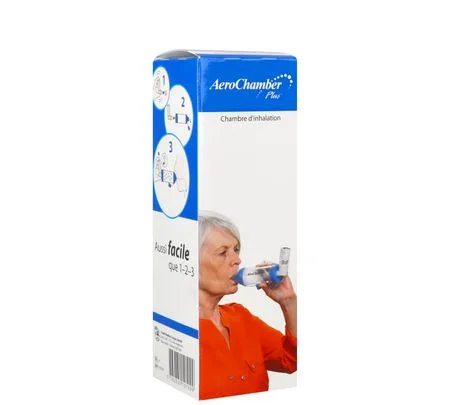
AEROCHAMBER PLUS Inhalation chamber adult child
CIP / EAN : 3401045635566
Professional product catalogue
Respiratory and inhalation equipment includes systems with different principles and components. A holding chamber receives aerosol from a compatible metered-dose device, while a nebulisation system converts liquid into aerosol. Accessories then provide connection, interface or functional roles. For pharmacy teams, identifying the generator, reservoir, valves and mask separately explains the assembly without assigning identical compatibility to every device. The equipment description also remains separate from the medicine, prescription and settings that may belong to an individual administration plan.
18 products
Trudell Medical InternationalCIP / EAN : 3401045635566
 Trudell Medical International
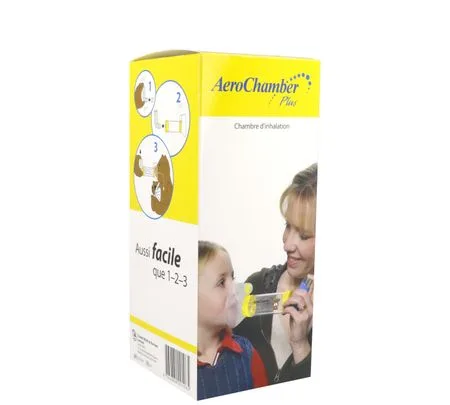
CIP / EAN : 3401095566216
 Diffusion Technique Française
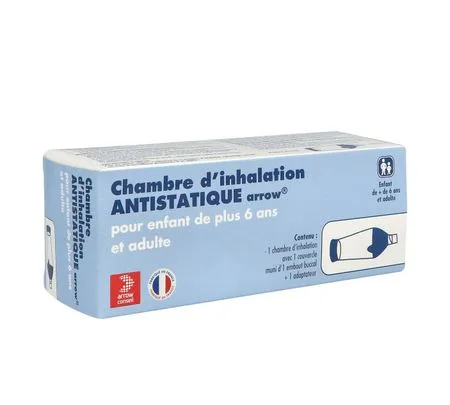
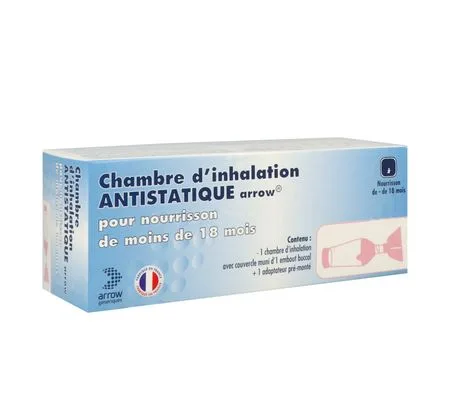
CIP / EAN : 3664351110442
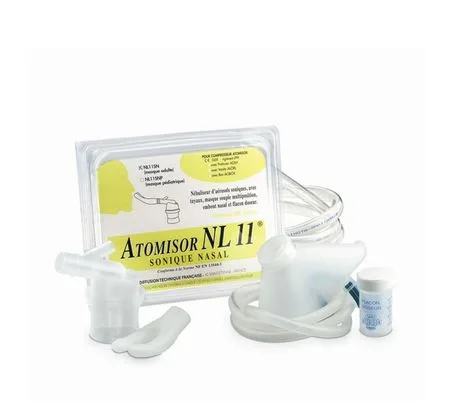 Diffusion Technique Française
CIP / EAN : 3401076391073
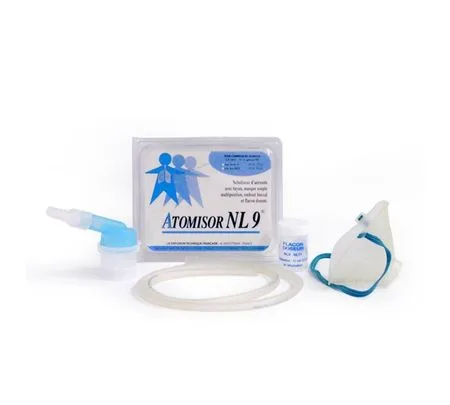 Diffusion Technique Française
CIP / EAN : 3401071070430
Diffusion Technique FrançaiseCIP / EAN : 3401060273347
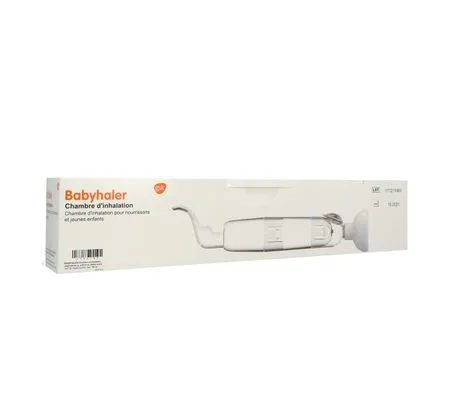
 GlaxoSmithKline
CIP / EAN : 3401060240370
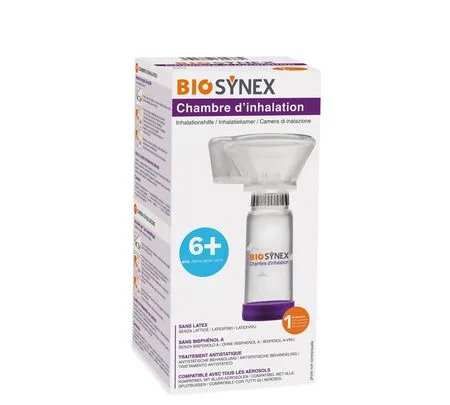
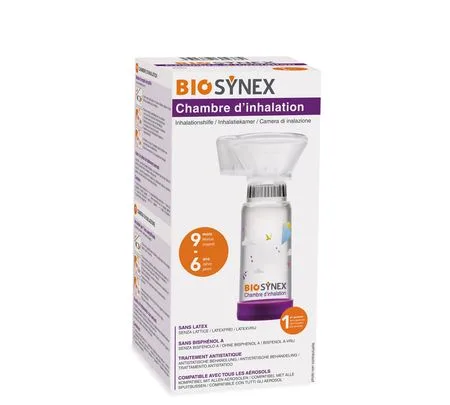
A holding chamber provides a reservoir between a metered-dose inhaler and an interface. Its body, connection and any valves contribute to the construction. Masks and mouthpieces are different interfaces whose geometry and intended purpose need identification. Some chambers have documented antistatic properties, but this cannot be assumed for every transparent support. A chamber should not be described as a nebulisation apparatus simply because both are involved in inhaled administration. Their place within the complete system and the source of the aerosol differ.
A nebulisation system combines an energy source with the part where compatible liquid becomes aerosol. Pneumatic and mesh constructions use different physical principles. Compressor, reservoir and membrane are not synonyms. Aerosol output, droplet characteristics and residual volume also describe separate parameters. Reservoir capacity is equipment information rather than a volume to administer or a treatment indication. The generator’s energy source, the reservoir geometry and the aerosol-forming component provide complementary ways to identify the complete nebulisation system.
Inhalation masks are not respiratory protective equipment. They belong to administration systems alongside mouthpieces and certain connectors. Tubing, valves and filters each have a role defined by the construction. Similar appearance does not establish compatibility. An accessory may be supplied separately or within an assembly, and a replacement part does not automatically include the generator. Presentation contents and the full system are therefore different levels of description. The same principle applies when one range offers several interfaces for different intended users.
Mask flexibility, body material and valve construction are different characteristics. Devices may have different power arrangements and controls without those features establishing clinical superiority. Care methods, dismantling possibilities and compatible liquids remain specific to the instructions. This technical approach compares architectures while leaving prescription, settings and the administration pathway to the relevant professionals. It also preserves the distinction between durable equipment and consumables rather than treating every component as having the same intended service life.
The first receives aerosol from a dose-delivering device; the second contributes to generating aerosol from liquid. Their principles, components and consumables therefore differ despite their shared inhalation context.
No. In this family it may be an inhalation interface. Protective masks have a different intended purpose and are not defined by the same equipment characteristics.
Updated 10 November 2026
Sources and further reading