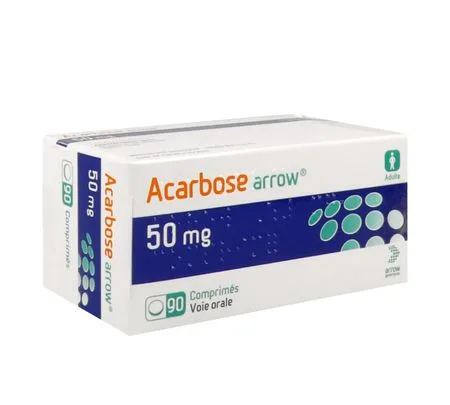

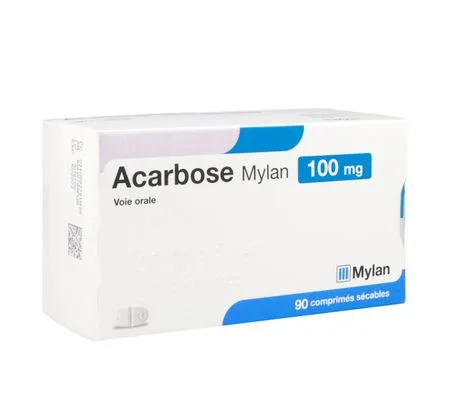
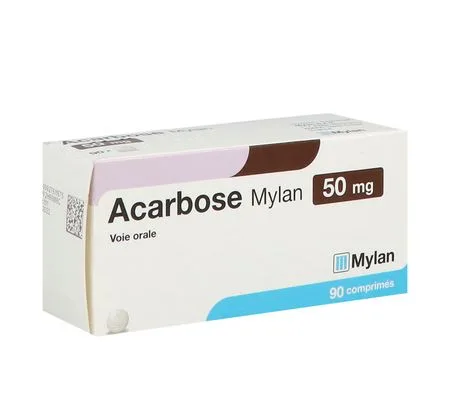
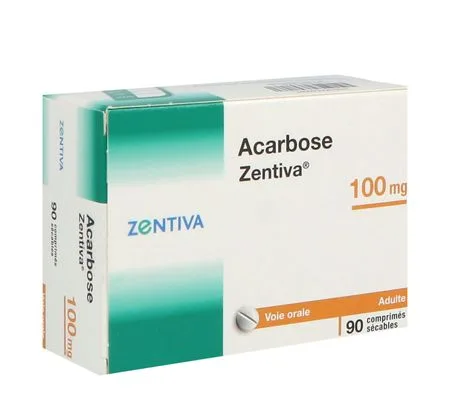
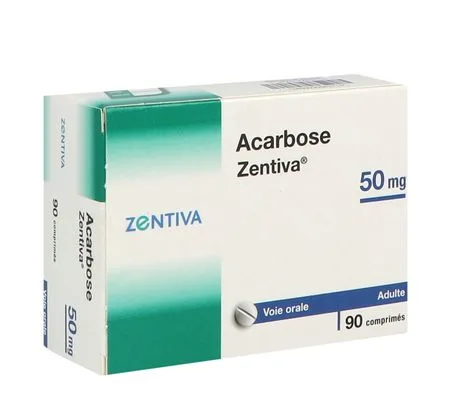
ACARBOSE ARROW 50 mg Tablet Blister PVC/PE/PVDC/Alu/90
Prices and discounts are reserved for client pharmacies.
Professional product catalogue
This category covers diabetes medicines classified outside the insulin family. It includes several pharmacological classes, with oral preparations and some injectable formulations. Blood glucose, insulin secretion, tissue sensitivity and renal glucose handling represent different aspects of their action. The professional overview explains these distinctions and fixed combinations without treating every antidiabetic medicine as one mechanism. It also preserves the difference between an active substance’s name and the particular indications authorised for an individual medicine in its specified formulation.
319 products
Prices and discounts are reserved for client pharmacies.

Prices and discounts are reserved for client pharmacies.
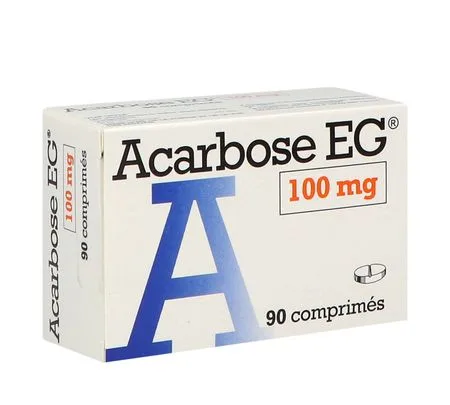
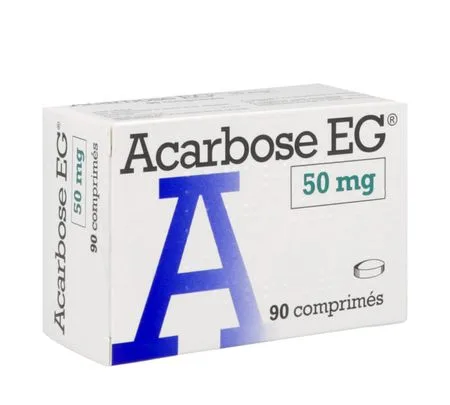
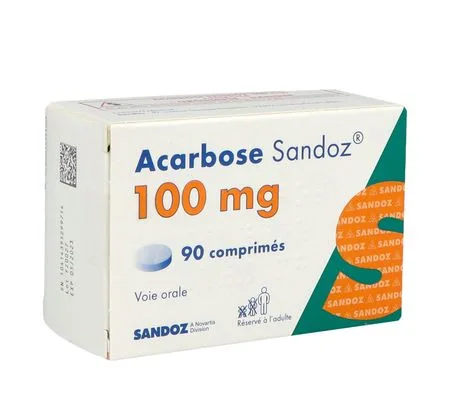
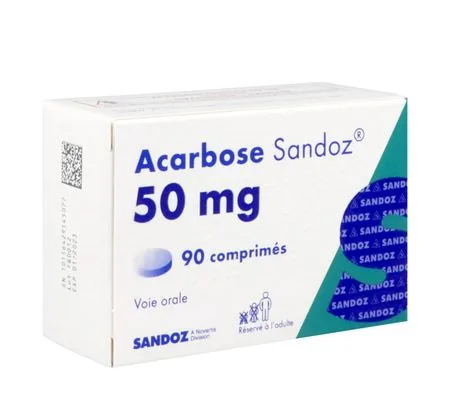

Prices and discounts are reserved for client pharmacies.

Prices and discounts are reserved for client pharmacies.
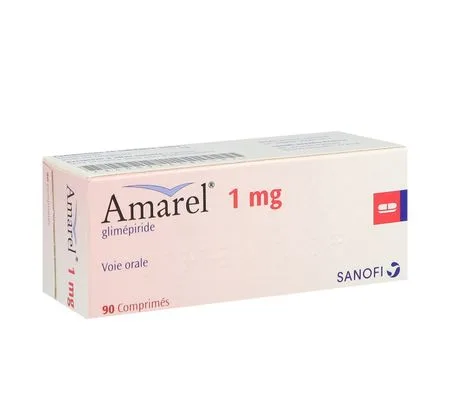
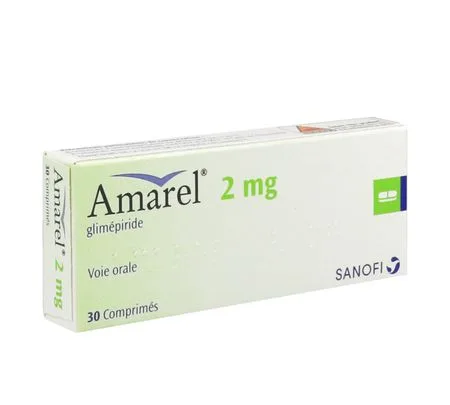
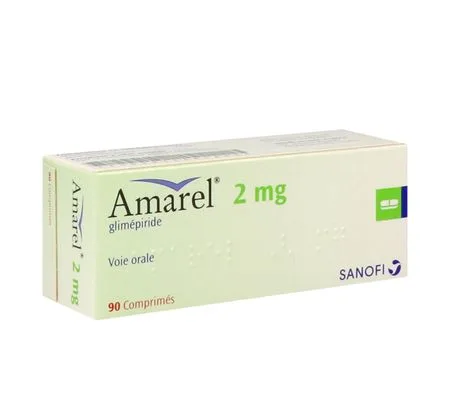
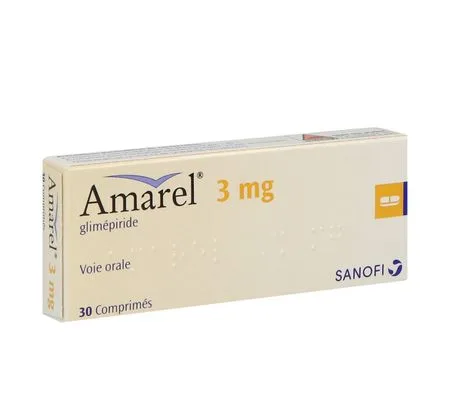
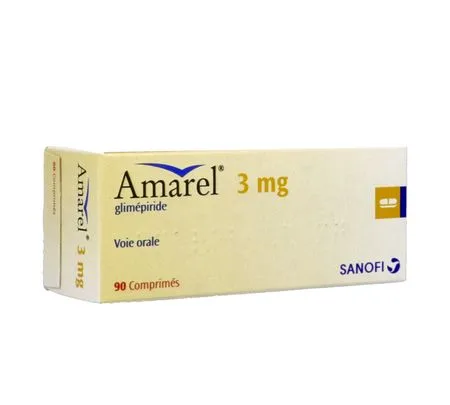
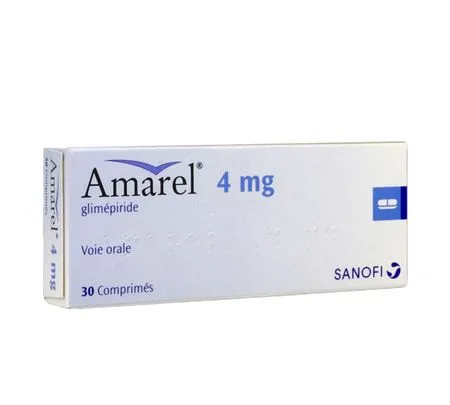
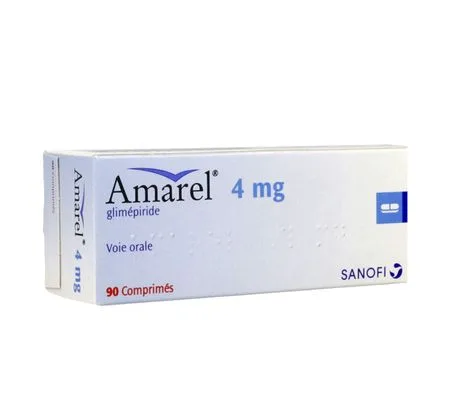
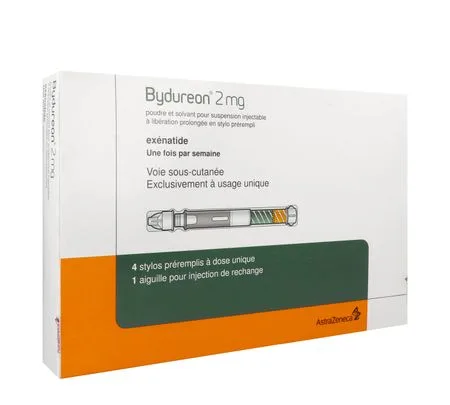
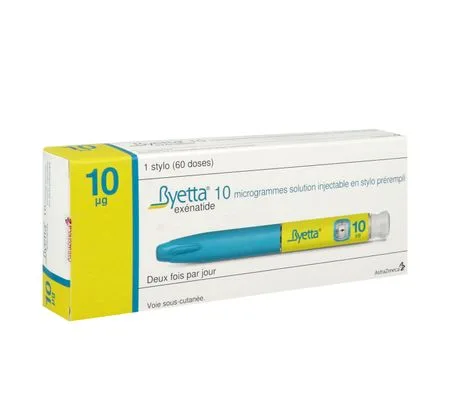

Prices and discounts are reserved for client pharmacies.
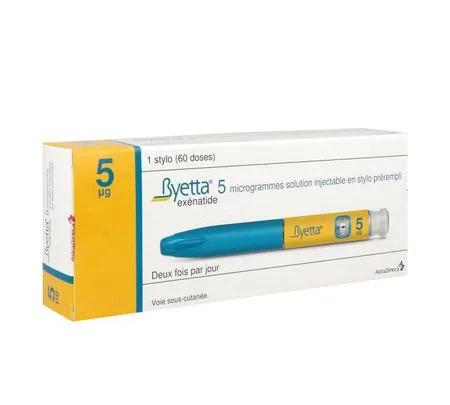
Prices and discounts are reserved for client pharmacies.
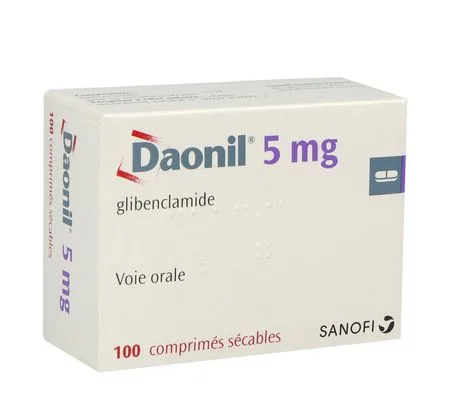
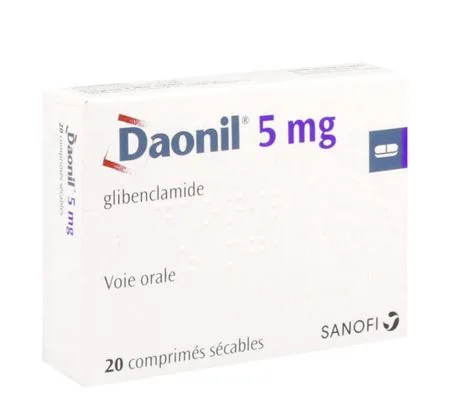
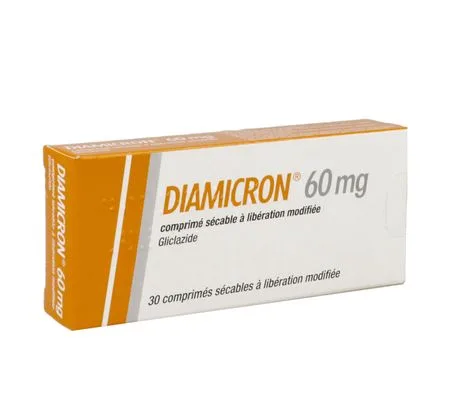
Biguanides, sulfonylureas, DPP-4 inhibitors, GLP-1 analogues and SGLT2 inhibitors illustrate the range of this field. These names designate families rather than variations of a single medicine. Some relate to hormonal pathways involved in glucose regulation, while others concern glucose production or its handling by the kidney. This variety explains the value of pharmacological interpretation that retains the particular characteristics of each substance, instead of relying solely on the broad label antidiabetic or assuming that all medicines share the same effects.
Fixed combinations bring several active ingredients together in one presentation. Complete composition and the amount of each ingredient therefore form part of the product’s identity. Conventional and modified-release preparations also differ. An injectable presentation does not necessarily contain insulin, because route alone does not determine pharmacological class. Device, concentration and pharmaceutical form complement the product name, especially where similarly shaped packs contain medicines with different ingredients or delivery characteristics. The complete formulation remains the relevant unit of professional identification.
Some substances or families may be studied or authorised in several metabolic, cardiovascular or renal contexts. This does not establish identical indications for every medicine. Obesity medicines retain a dedicated category, while blood glucose readers and sensors belong to medical equipment. In pharmacy practice, these distinctions explain the medicine’s role within a broader monitoring environment. Information on the relevant population, interactions and monitoring belongs to the individual product documentation, rather than being inferred from a familiar family name or extended to other presentations.
No. Some non-insulin families also use an injectable route. The substance and pharmacological class provide the defining information, complemented by formulation and device.
Several active ingredients are combined in one medicine. The amount of every component and the formulation need to be retained when describing the presentation precisely.
Updated 10 November 2026
Sources and further reading