Professional product catalogue
ENT & oral medicines
The nose, ear, mouth and throat have different tissues and functions despite their anatomical proximity. Nasal mucosa, ear canal, gums and pharynx are particular sites with specific preparations. Antihistamines, corticosteroids, anti-infectives, antiseptics and local anaesthetics have distinct mechanisms. Drops, sprays, gels and lozenges describe dosage forms without making routes interchangeable or equating local medicines with hygiene products. Tissue, intended site and pharmaceutical composition together explain why similarly packaged products can have different roles within this connected anatomical field.
Products in this category
242 products
 Laboratoires Grimberg
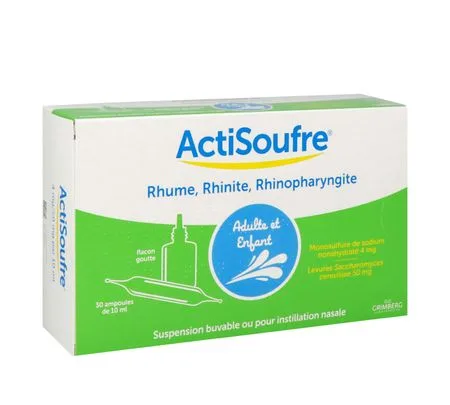
ACTISOUFRE 4 mg/50 mg per 10 ml Oral/nasal suspension 30Ampoule/10ml
CIP / EAN : 3400932816439
- Laboratoires Grimberg
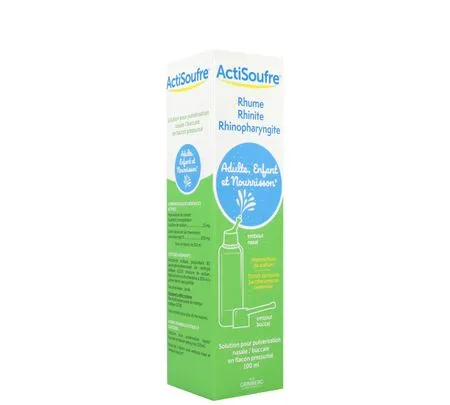
ACTISOUFRE S p pulv bucc/nas en fl pressurisé Fl press/100ml
CIP / EAN : 3400935167156
 EG Labo
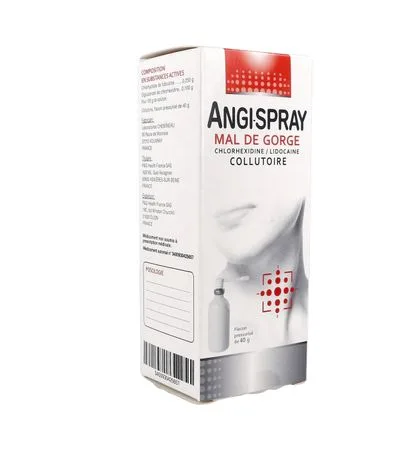
ANGI-SPRAY SORE THROAT CHLORHEXIDINE/LIDOCAINE Mouthwash Bottle/40mL
CIP / EAN : 3400930425657
- Laboratoires Grimberg
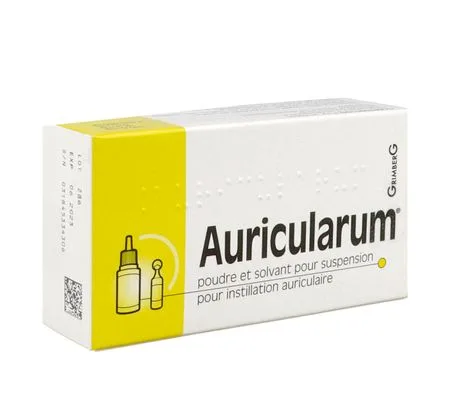
AURICULARUM Powder/solvent for ear suspension Vial + Ampoule solvent/10ml
CIP / EAN : 3400930192252









Understanding ent & oral medicines
Nose, nasal mucosa and local classes
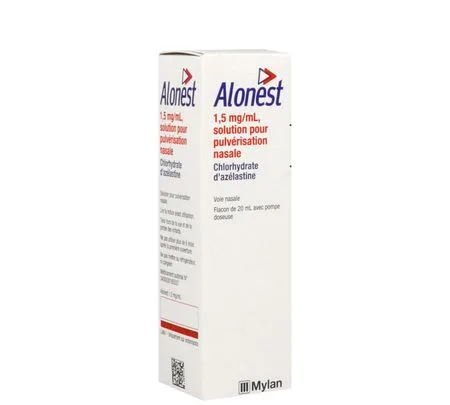
Rhinitis, discharge and congestion describe different aspects of the nasal field. Corticosteroids, local antihistamines and decongestants have distinct mechanisms. Spray therefore does not identify a product’s function completely. It may contain a solution or suspension, with one ingredient or a combination. Washing and hygiene products can use similar-looking devices while having another regulatory status. Documented composition and intended purpose provide more precise information than applicator shape. This distinction helps pharmacy teams interpret a presentation without assuming that every nasal product has the same pharmacological role or authorised population.
External ear and auricular preparations
The external ear canal differs from the middle ear, which is separated by the eardrum. This anatomy explains why a local preparation is not intended for every ear condition. Auricular families include anti-infectives, corticosteroids, combinations and other local medicines. Indication, the nature of the condition and eardrum status can contribute to the product’s description. A small container or dropper does not establish a shared route with an eye drop: the auricular designation remains central to pharmaceutical identity. The site and formulation together are more informative than packaging appearance alone.
Mouth, gums and throat
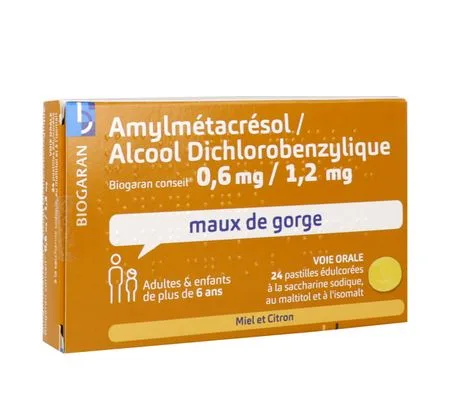
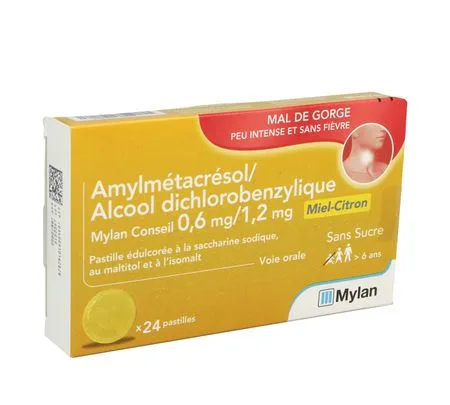
Stomatological medicines and throat preparations are grouped according to their principal contexts. A gingival or oral cavity application does not necessarily have the same destination as a lozenge intended for pharyngeal symptoms. Antiseptics, local anaesthetics and other ingredients need descriptions reflecting their own function. Systemic medicines, including selected analgesics and antibiotics, have their own functions and targets. A local preparation consequently does not describe a general treatment for every cause of pain or inflammation. It also distinguishes the symptom used in ordinary language from the precise medicinal role documented for the product.
Solutions, suspensions and oral cavity forms
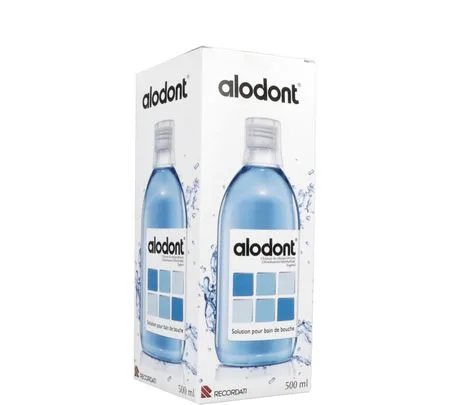
A solution contains dissolved substances, whereas a suspension contains particles dispersed in a liquid. That difference can exist behind a familiar description such as drops or spray. Lozenges describe another pharmaceutical design, distinct from a preparation intended to be swallowed or a gingival gel. Local anaesthesia and antiseptic action are also not two names for one mechanism. Mouthwashes can have different statuses according to the product. Form, composition and intended site therefore explain preparations more precisely than applicator shape or container size, and a similar format does not establish an identical route.
Frequently asked questions
Why distinguish ear drops from eye drops?
The anatomical site and route are different. Similar bottles do not describe the complete formulation or clinical context of a medicine.
Can a local product have a non-medicinal status?
Yes. Some local formats also exist as hygiene products, cosmetics or medical devices. Status and composition remain decisive when interpreting a reference.
Updated 10 November 2026
Sources and further reading