Professional product catalogue
Heart & circulation
The heart, blood vessels, coagulation and blood lipids contribute to different cardiovascular functions. Medicines can affect blood pressure, cardiac activity, clot formation or cholesterol metabolism depending on the substance. Antihypertensives, anticoagulants and lipid-lowering agents are consequently not interchangeable terms. Their mechanisms, combinations and oral or injectable forms explain the diversity of this field. A clinical measurement, biological target and pharmaceutical presentation provide different information, even where several medicines occur within the same wider cardiovascular care setting or professional prescription context.
Products in this category
2,559 products

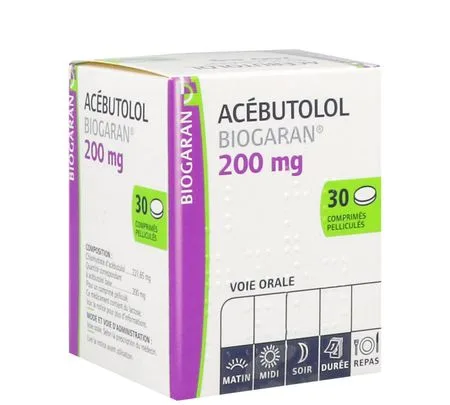

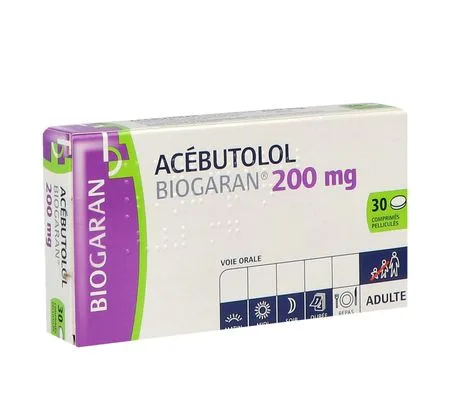
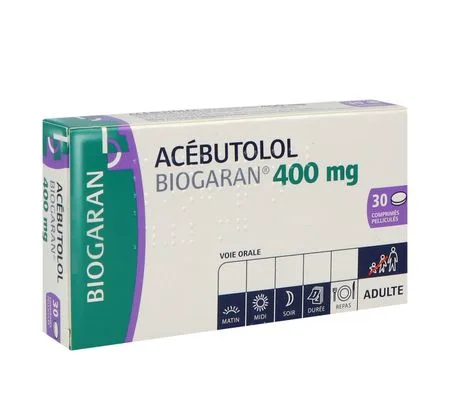

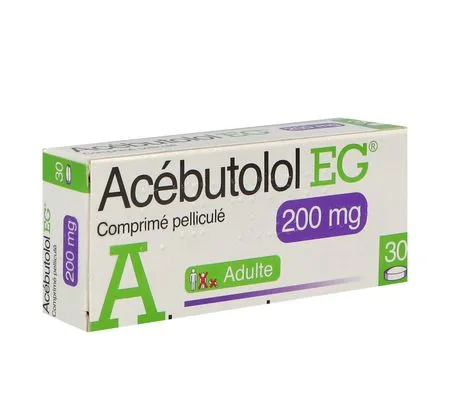

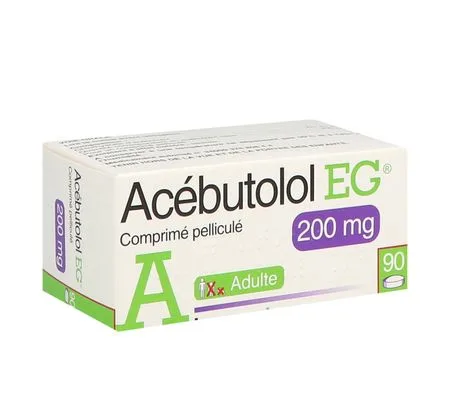
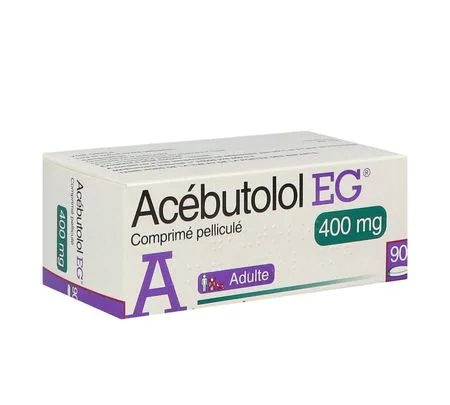


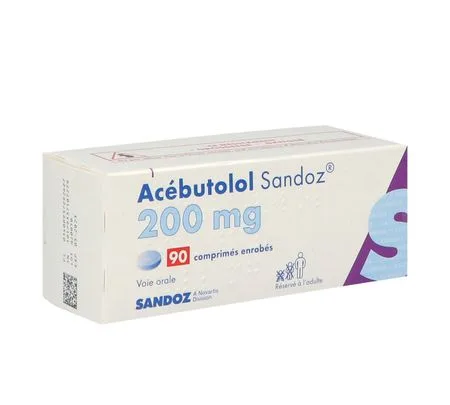
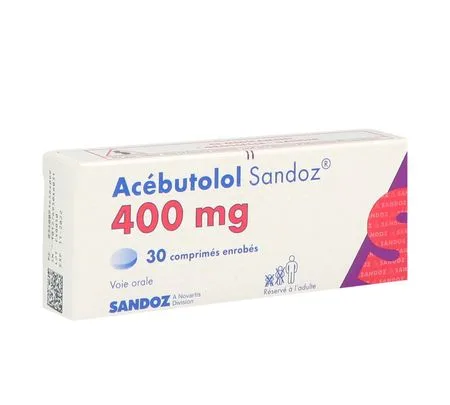



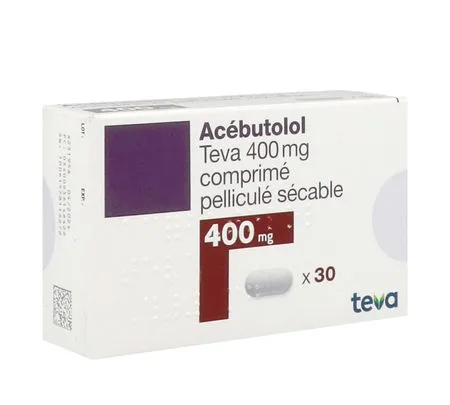
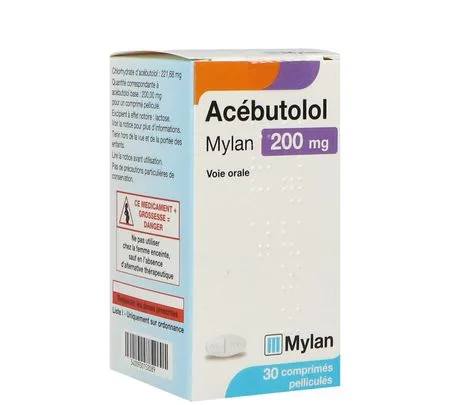

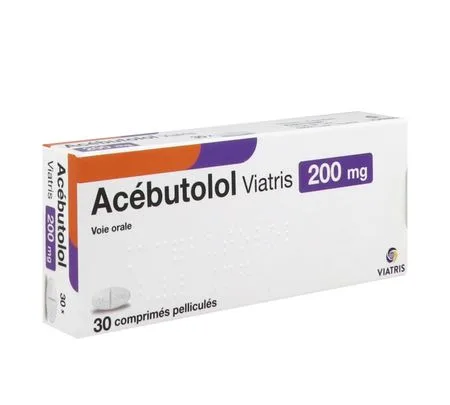
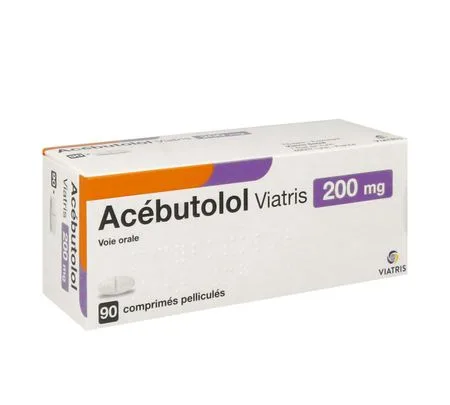
Understanding heart & circulation
Blood pressure and cardiac activity
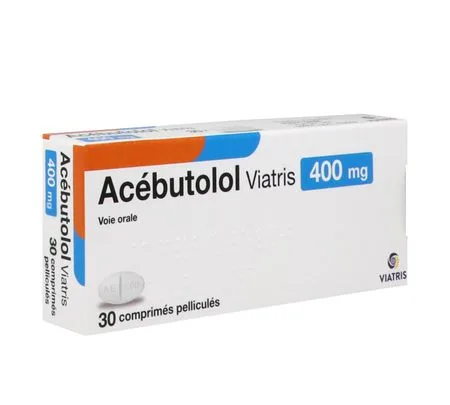
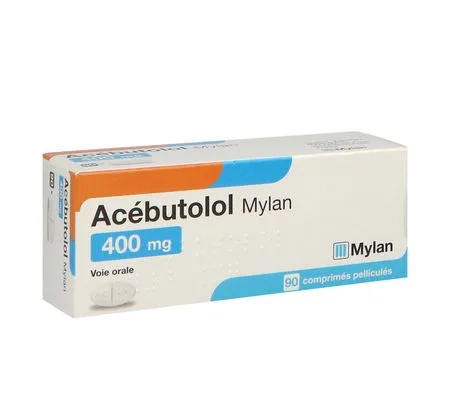
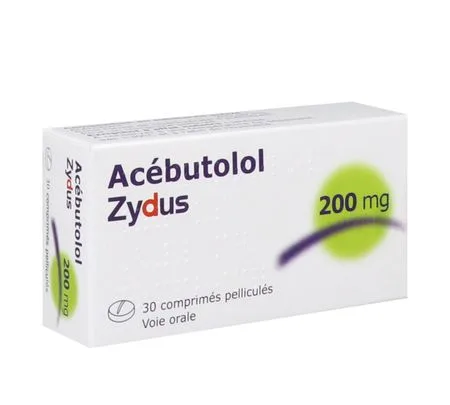
Blood pressure relates to several parameters, including cardiac activity and vascular resistance. Medicines in this field comprise different pharmacological families. Beta blockers, calcium channel blockers and renin–angiotensin system medicines act through distinct pathways. The cardiovascular field also includes other classes, such as medicines directed at cardiac function and diuretics. A molecule can have several indications, so antihypertensive does not necessarily summarise all its uses. Those functions have distinct targets and do not establish a hierarchy of potency or one interchangeable product class within cardiovascular care.
Coagulation and circulation
Anticoagulants concern the reactions of coagulation. Vitamin K antagonists, heparins and direct inhibitors do not act through one identical mechanism. Antiplatelet medicines belong to the antithrombotic field but address another stage of haemostasis. This distinction matters when interpreting cardiovascular prescriptions and monitoring information. Oral forms, injectable solutions and activity units also need precise identification. Prevention and treatment of thromboembolic events are contexts that remain specific to the medicine and clinical situation. A broad circulation category therefore provides context without extending an authorised use from one product or family to another.
Blood lipids and lipid-lowering medicines
Cholesterol, lipoprotein fractions and triglycerides represent different lipid-profile parameters. Statins and other lipid-lowering families have distinct mechanisms. Some fixed combinations bring several active ingredients into one presentation. Cardiovascular risk cannot be reduced to one laboratory value, and is also distinct from a product’s pharmacological composition. Foods and supplements using cholesterol-related terminology do not have the same regulatory status as the medicines described here. This separation helps explain why related health subjects can involve different types of product and different levels of clinical and pharmaceutical information.
Action pathways and release profiles
Cardiovascular pathways involve receptors, enzymes and ion channels among other targets. A renin–angiotensin system agent and a calcium channel blocker do not concern the same target even when blood pressure forms part of their setting. Fixed combinations can bring mechanisms together without removing the identity of each active substance. Prolonged release describes substance availability over time rather than a pack containing more tablets. Injectable forms and activity units for selected agents provide further characteristics distinct from oral preparations. Those properties explain why one broad cardiovascular purpose does not define a uniform medicine or formulation.
Frequently asked questions
Do anticoagulants and lipid-lowering medicines have the same role?
No. One concerns coagulation and the other blood lipids. They can occur in the same cardiovascular context while addressing distinct mechanisms and indications.
Does a fixed combination form a separate family by itself?
It has a particular composition combining several substances and functions. Every ingredient and amount contributes to the complete identity beyond the familiar name of a combination.