Professional product catalogue
Dry eye medicines
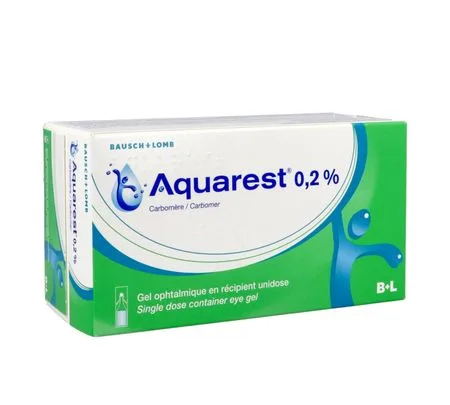
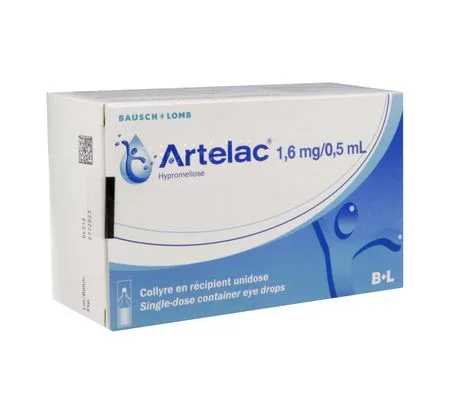
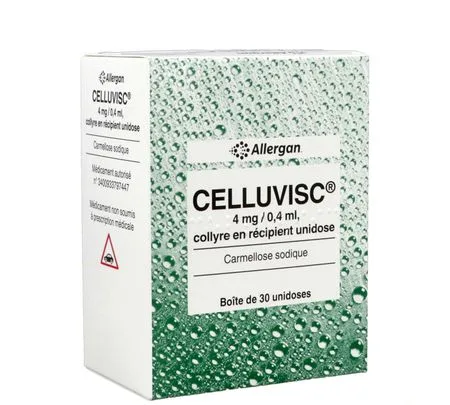
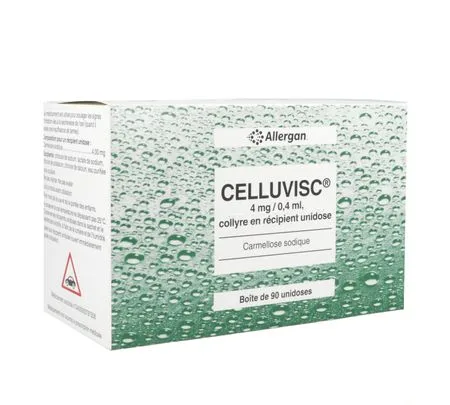
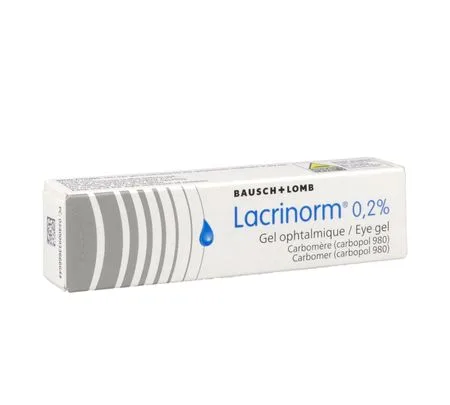
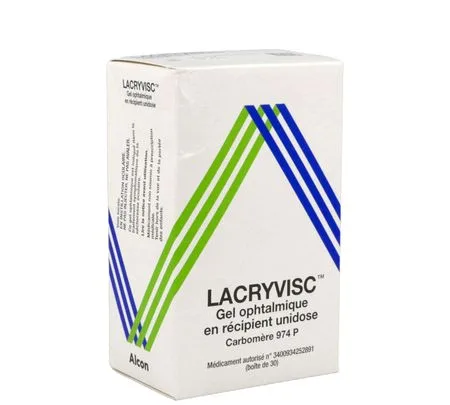
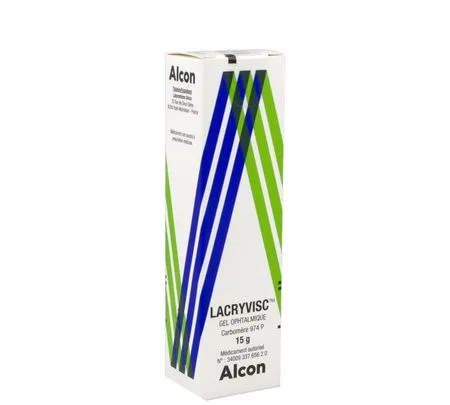
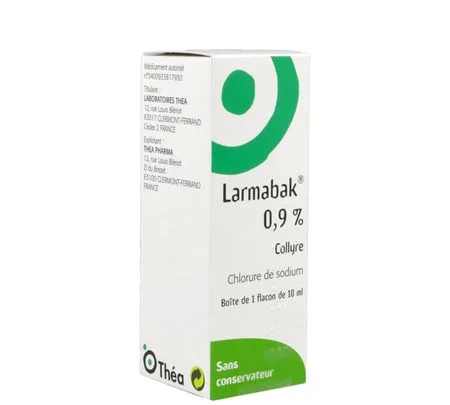
Dry eye medicines include preparations classified as artificial tears and other tear substitutes. They relate to the ocular surface and tear film, with different liquid or gel formulations. This professional category distinguishes medicinal products from other eye-moisturising products according to their regulatory status. Bottle or single-dose format, composition and any preservative contribute to presentation identity. The phrase dry eyes alone does not establish the pharmaceutical characteristics, status or intended use of every product carrying a similar description.
Products in this category
34 products
- Laboratoires Europhta
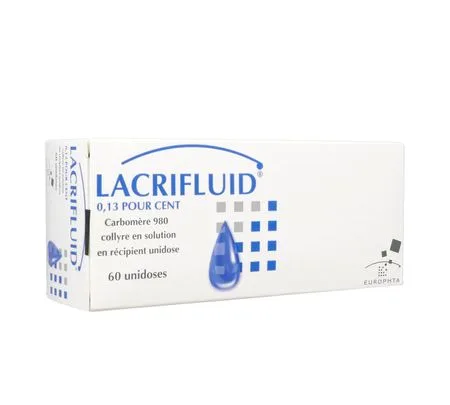
LACRIFLUID 0,13% Eye drops solution single-dose container 60 units
CIP / EAN : 3400937689021


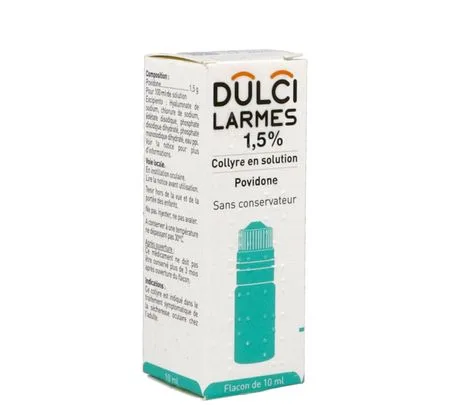

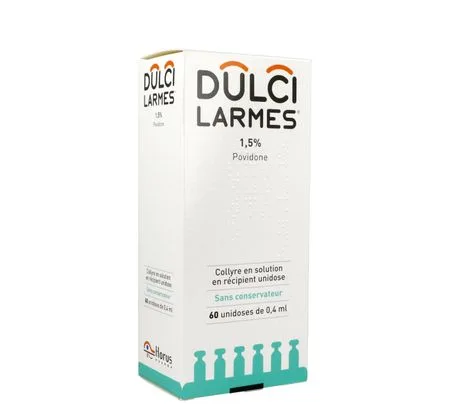
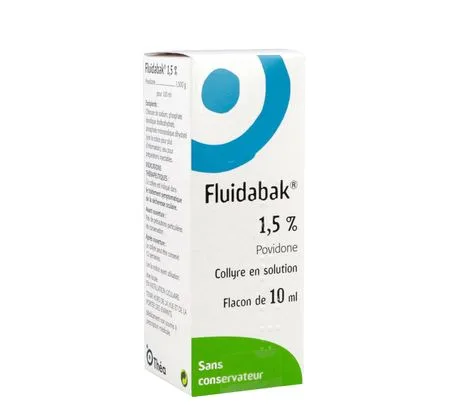

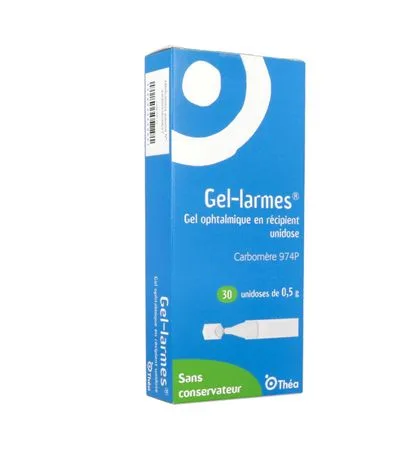


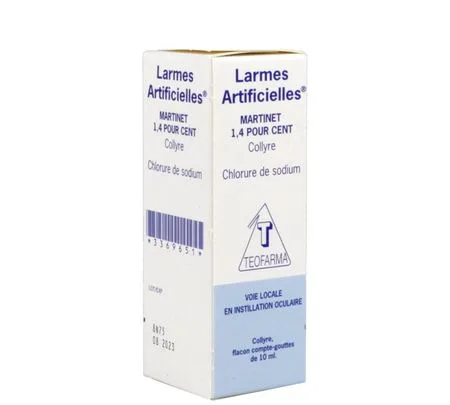
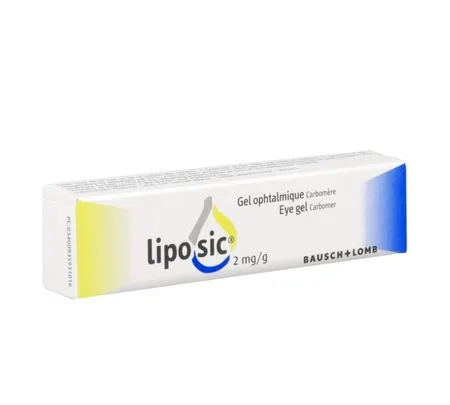

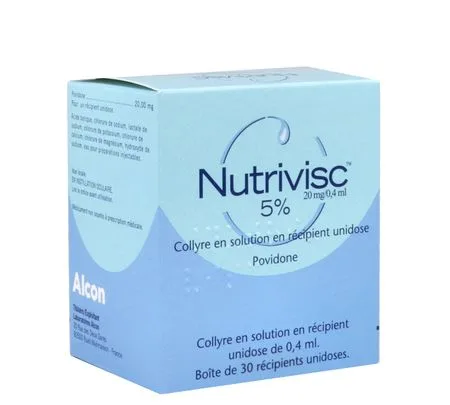
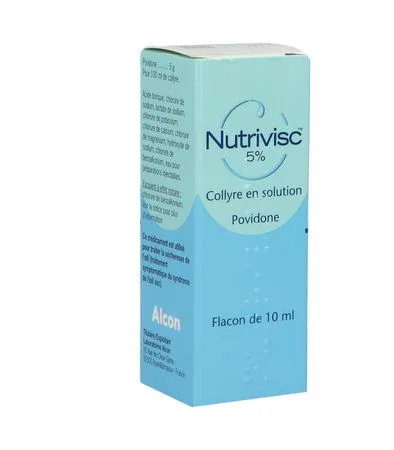
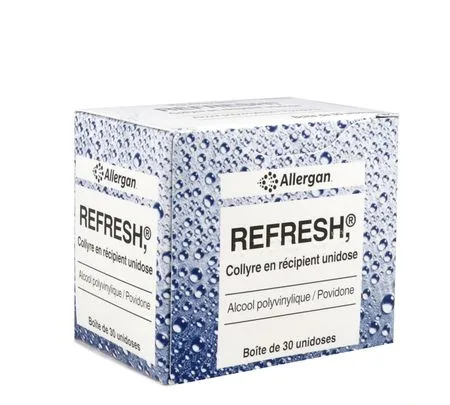
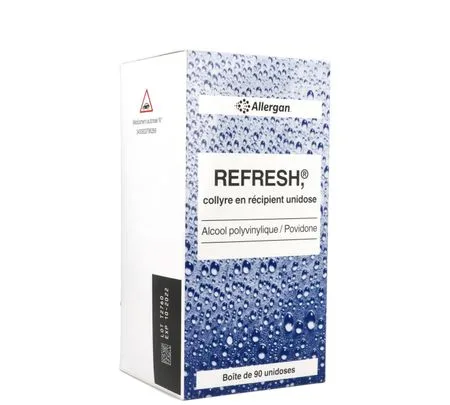
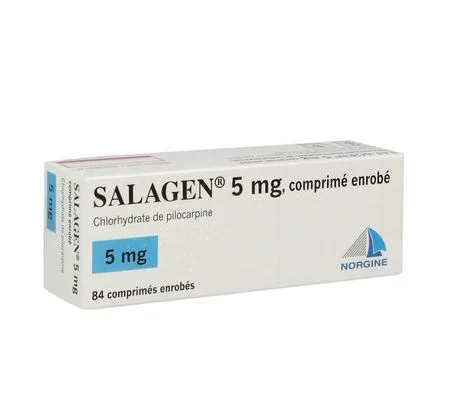

Understanding dry eye medicines
Tear film and the ocular surface
Tears contribute to the environment of the cornea and conjunctiva. Dry eye can involve tear quantity as well as tear characteristics and stability; it does not simply mean a reduced volume. Tear substitutes are described within this ocular surface setting. They are distinct from anti-infective eye drops and glaucoma medicines. A shared destination at the eye does not imply a shared pharmacological action or indication. This distinction is useful when several ophthalmic preparations have similar containers but different purposes and compositions.
Solutions, gels and product status
Ophthalmic solutions and gels have different formulation characteristics. Viscosity, components and packaging systems contribute to their description. The expression artificial tears can occur in an environment containing both medicines and medical devices; it does not establish regulatory status on its own. This medicinal category concerns references assigned to its pharmaceutical class. Anti-inflammatory medicines for selected ocular surface disorders involve different mechanisms and are not automatically treated as tear substitutes simply because they can appear in a broader dry eye care setting.
Single-dose containers, bottles and storage
Single-dose containers and multidose bottles are distinct presentation systems. Preservative content and container characteristics must be considered for the exact product rather than inferred from format alone. Storage conditions and the period described for use after opening belong to product-specific documentation. For pharmacy work, distinguishing container volume, number of units and formulation type helps identify a reference. Any information about contact lenses is also product-specific and does not establish general compatibility for all artificial tear preparations or other eye medicines.
Frequently asked questions
Are all artificial tears medicines?
No. Some eye-moisturising products have another status, including medical device status. A familiar descriptive term does not replace the regulatory identity of the product.
Is a tear gel identical to a liquid eye drop?
No. Formulation and presentation differ. Belonging to the same care environment does not establish equivalence between references.
Updated 10 November 2026
Sources and further reading