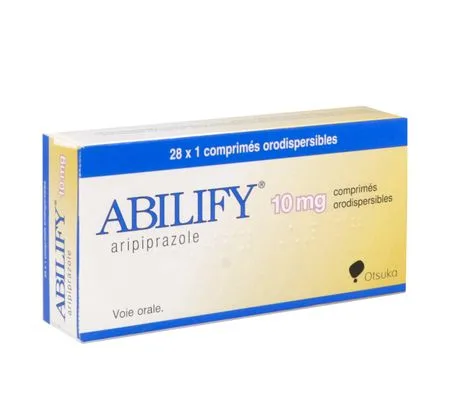
 Otsuka Pharmaceutical France SAS
ABILIFY 10 mg Orodispersible tab Blister/28
CIP / EAN : 3400936921450
Professional product catalogue
Psychiatry medicines encompass families with different functions, including antidepressants, anxiolytics and hypnotics. Mood, anxiety, sleep and alertness are related but distinct dimensions of mental health. Substances act on several nerve-transmission systems, with varied formulations and pharmacological profiles. This category explains those distinctions without reducing mental disorders to one messenger or treating a medicine family as a complete psychiatric care pathway. The shared term psychotropic provides a broad setting, while more specific mechanisms and product characteristics explain why the medicines differ.
1,105 products
Otsuka Pharmaceutical France SASCIP / EAN : 3400936921450
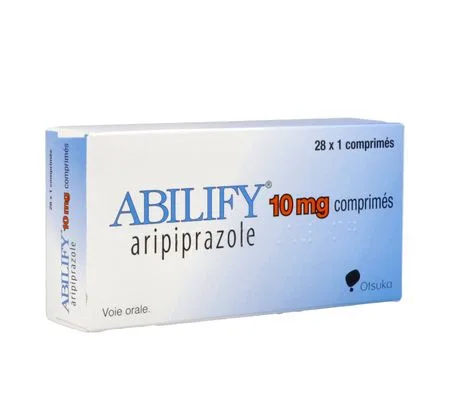
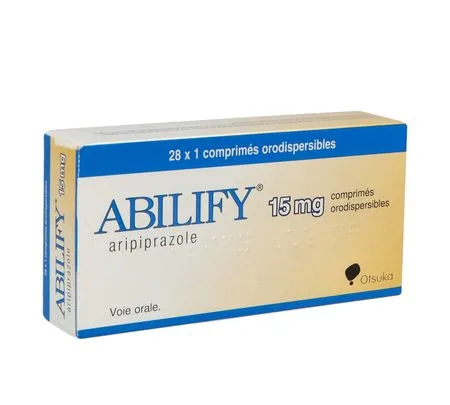 Otsuka Pharmaceutical France SAS
CIP / EAN : 3400936921740
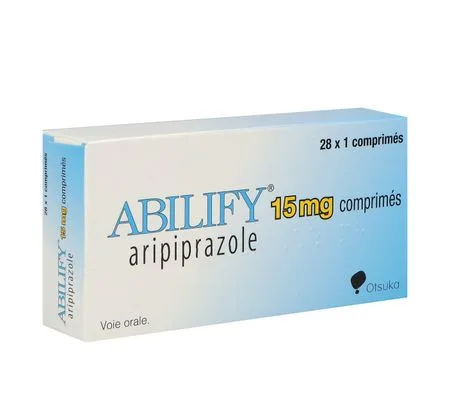
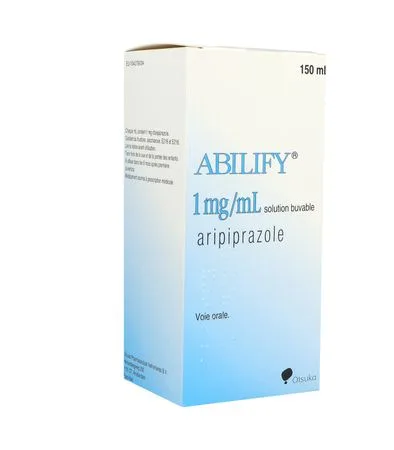
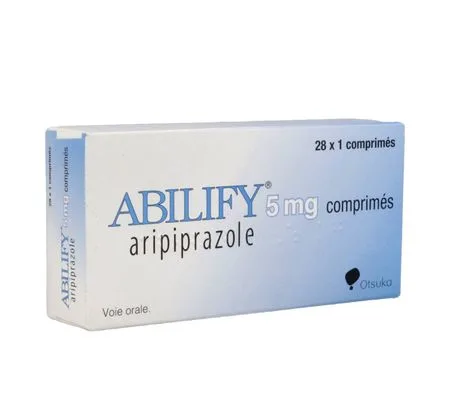
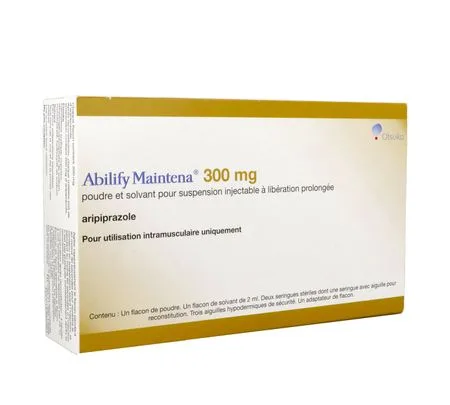


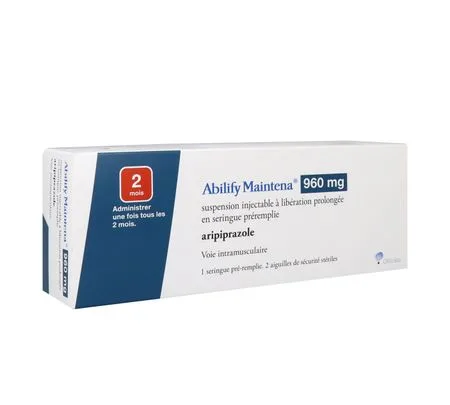

 Biogaran
CIP / EAN : 3400927607905
 Biogaran
CIP / EAN : 3400927607783
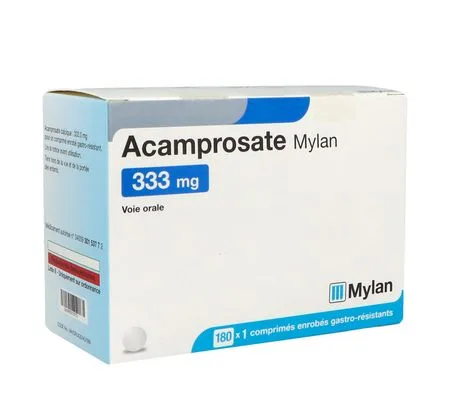
 Viatris Santé
CIP / EAN : 3400930153772
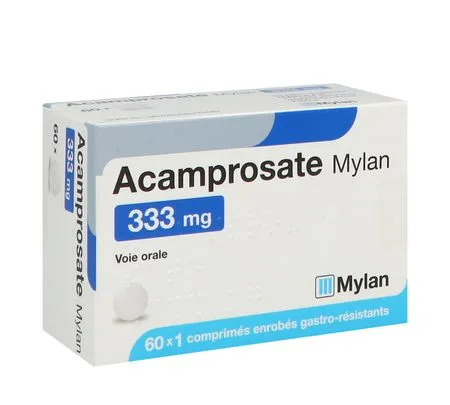 Viatris Santé
CIP / EAN : 3400930153765
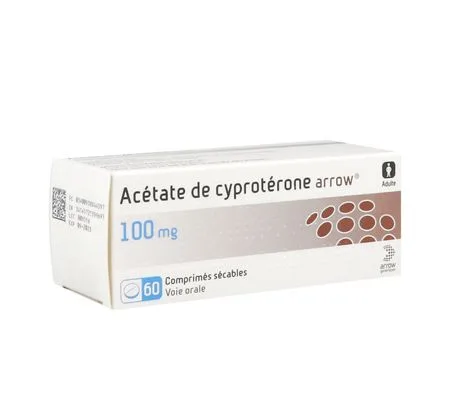
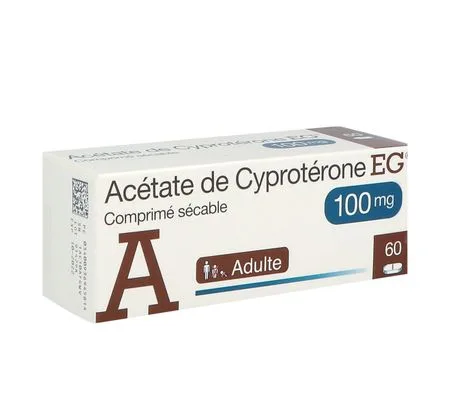
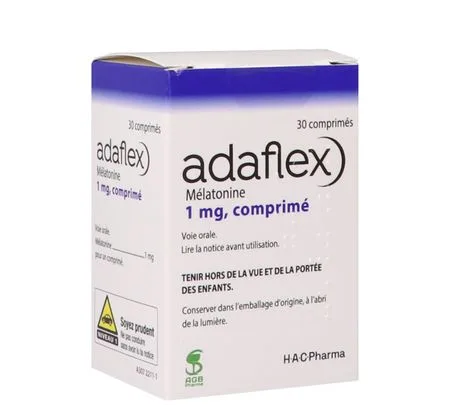
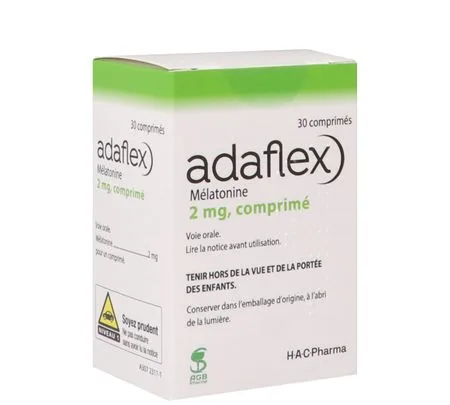
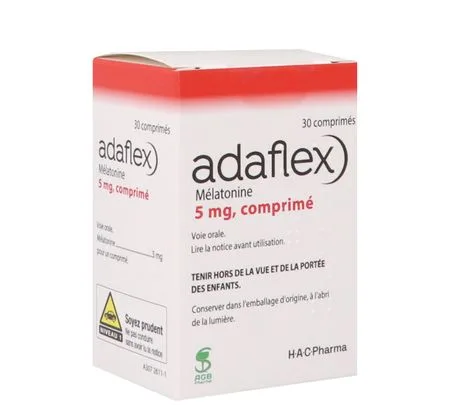
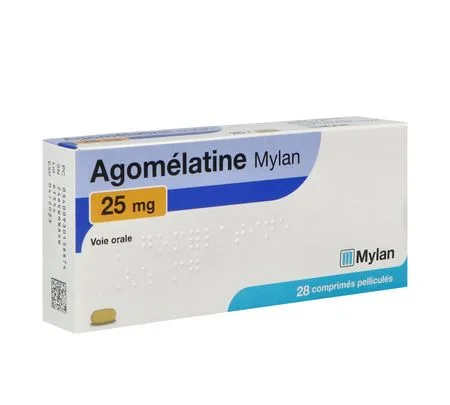
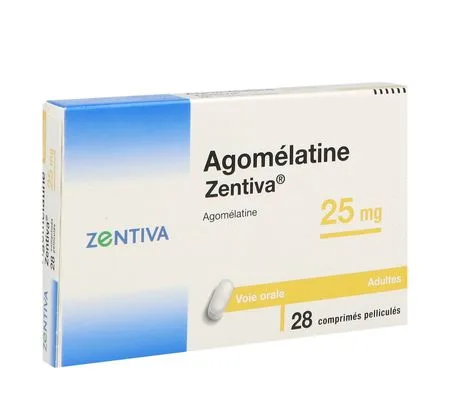


Psychotropic broadly describes substances affecting mental functions. It does not identify a single chemical structure or uniform action. Serotonin, noradrenaline, GABA and wakefulness systems appear in the vocabulary of several families with distinct roles. A pharmacological target explains one aspect of a medicine without providing a single cause for a disorder. Mental health care can include psychotherapy and other dimensions of support. Medicine descriptions must therefore not present their mechanisms as a complete summary of psychiatry or imply that every clinical manifestation follows directly from one chemical imbalance.
Antidepressants include selective serotonin reuptake inhibitors, mixed reuptake inhibitors and other families, including tricyclics and monoamine oxidase inhibitors. These terms describe different properties. Selected substances have documented indications outside depression without those uses becoming common to every molecule. A pharmacological action also does not establish that depression is simply a chemical deficiency. Formulations and release profiles remain important when distinguishing medicines within one family. A shared substance name or clinical setting provides only part of the identity and cannot replace the characteristics of the complete medicinal presentation.
Benzodiazepines are one anxiolytic family rather than every agent in the field. Their relationship to GABA-associated transmission differs from the mechanisms of other groups. Longer-term medicine treatment for an anxiety disorder can also involve an antidepressant. Anxiolytic, antidepressant and sedative are consequently not interchangeable names. Drowsiness, dependence and rebound are described in information for relevant products. They contribute to pharmacological understanding without creating a potency comparison based on the quantities printed on packs. The same care environment can therefore involve several distinct medicine roles and documented characteristics.
Hypnotics include GABA-related agents, orexin receptor antagonists and other pathways depending on the medicine. Their mechanisms are not identical to every cause of drowsiness. Immediate-release and prolonged-release forms, solids and liquids retain particular properties. Other psychiatry families also preserve their identity, including antipsychotics, which are not merely variants of anxiolytics. For pharmacy work, complete description combines substance, formulation and route. Non-medicinal products in the sleep environment remain separate from medicinal products, even where terminology overlaps or the same broad theme appears on their presentation and supporting information.
No. The term encompasses medicines with different targets and roles. Antidepressants, anxiolytics and hypnotics in particular must be distinguished.
Yes. Care can include medicinal and non-medicinal dimensions. This category explains pharmaceutical families without defining an individual strategy.
Updated 10 November 2026
Sources and further reading