Professional product catalogue
Dietary products
Dietary products concern food composition and its adaptation to identified needs. Protein-rich products, foods with specific characteristics and rehydration preparations illustrate three different subjects. Amino acids, gluten, lactose, glucose and electrolytes are precise components with their own functions and properties. Understanding these ingredients distinguishes a modified recipe, a particular nutritional profile and a solution based on intestinal water absorption. The resulting food can therefore be explained through its composition rather than a single broad dietary label.
Products in this category
28 products
 Opella Healthcare France SAS
DULCOSOFT GO CONSTIPATION S oral solution lemon 20 Sachet/20ml
CIP / EAN : 3664798088915
 Lactalis Nutrition Santé
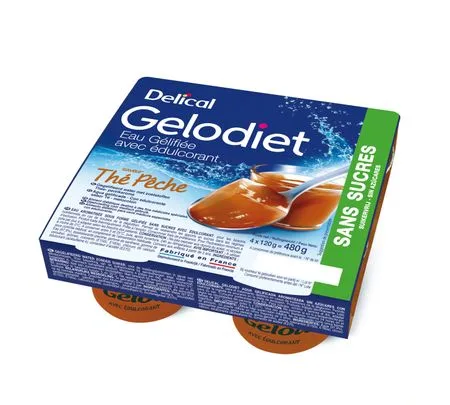
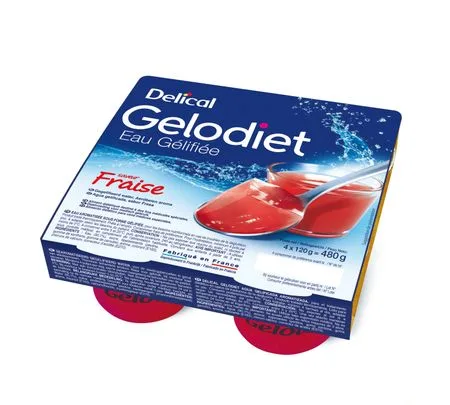
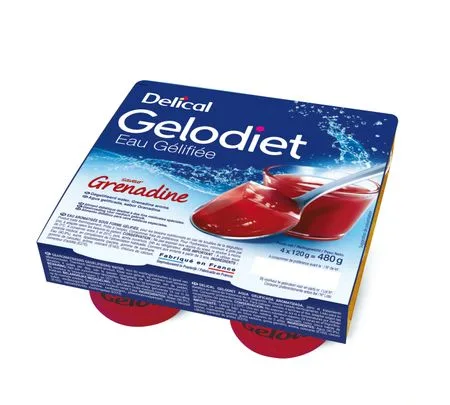
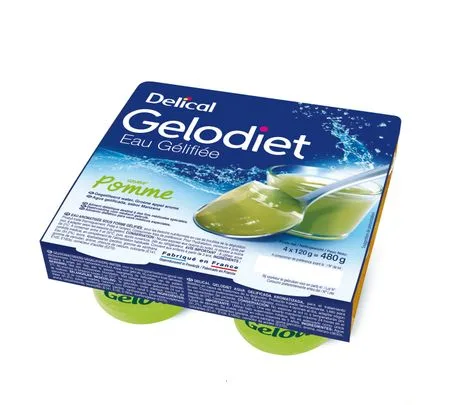
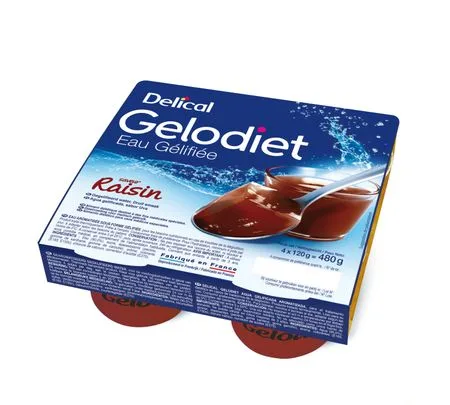
GELODIET Eau gélifiée édulcorée thé pêche 4Pots/120g
CIP / EAN : 3401243949939
 Pierre Fabre Médicament
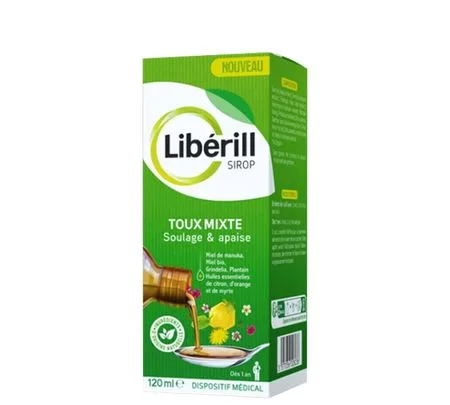
LIBERILL Sirop toux sèche et grasse adulte enfant dès 1 an Fl/120ml
CIP / EAN : 3577056028236
- Opella Healthcare France SAS
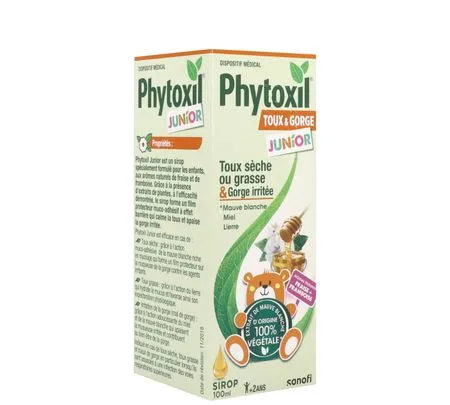
PHYTOXIL JUNIOR child syrup +2 years Bottle/100ml
CIP / EAN : 3664798024302
- Opella Healthcare France SAS
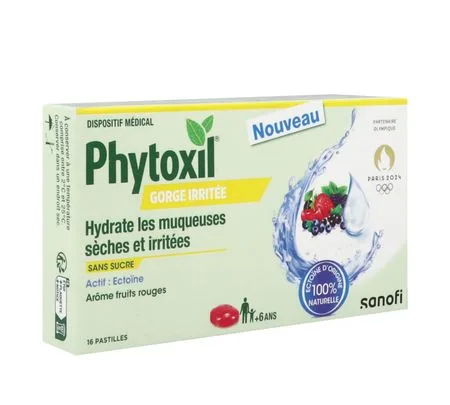
PHYTOXIL SORE THROAT Lozenge red berries adult child +6 years Box/16
CIP / EAN : 3664798063936






Understanding dietary products
Protein sources and amino acids
Dietary protein supplies amino acids used in body tissues and functions. Sources may include milk, eggs and plants such as soy or peas. Caseins and whey proteins represent different fractions of milk. Amino-acid composition and digestibility contribute to the nutritional profile. Concentrated powders, drinks and cooking preparations then combine these ingredients with carbohydrate, fat or fibre. The source protein and complete food recipe therefore provide different information, while the physical form describes another characteristic of the finished preparation.
Gluten, lactose and adapted recipes
Gluten concerns cereal proteins found in wheat, barley and rye. Lactose is a sugar broken down by lactase into glucose and galactose. These components therefore belong to different molecular families. Changing a recipe for gluten and reducing its lactose content are different adaptations. Milk proteins remain another specification again. A lactose-free preparation may contain dairy ingredients, while a gluten-free recipe can still contain substantial starch. This explains why one ingredient-related statement cannot describe every nutrient or allergen in the complete food.
Glucose, sodium and oral rehydration
Oral rehydration solutions combine glucose and electrolytes in a defined composition. Intestinal glucose absorption is linked to sodium transport, supporting water absorption. Potassium salts, chlorides and citrate may complete the balance according to the formula. Dissolved-particle concentration is a different property from the drink’s taste. This physiology distinguishes oral rehydration from a predominantly protein supply or a caffeine-containing product associated with alertness. The full formulation explains its purpose more precisely than a sweet flavour or the presence of one mineral alone.
Nutrient supply, texture and food purpose
An adaptation may concern an ingredient, energy, protein or consistency. Clinical nutrition foods have defined medical purposes, while adapted ordinary foods have their own recipe characteristics. A thickened drink and a protein-rich dessert may have similar textures but different nutrient contributions. Nutrient source, molecular form and finished food are therefore complementary levels of description. This connects ingredient properties with the actual nutritional function of each family, while preserving the distinction between a complete food and a preparation addressing only one particular aspect of nutrition.
Frequently asked questions
Do gluten-free and lactose-free mean the same adaptation?
Gluten concerns cereal proteins, while lactose is a milk sugar. The ingredients involved and the changes made to the recipe are therefore different.
Does a high-protein product have the same role as an oral rehydration solution?
Protein supplies amino acids. Oral rehydration concerns water, glucose and electrolytes. These preparations have different composition profiles and nutritional functions.
Updated 10 November 2026
Sources and further reading
- ANSES — protéines, acides aminés indispensables et sources alimentaires
- Assurance Maladie — gluten et composition des aliments adaptés
- Assurance Maladie — lactose et action digestive de la lactase
- OMS — composition et principe des sels de réhydratation orale
- Commission européenne — catégories et exigences des denrées destinées à des fins médicales spéciales
- ANSES — protéines du lactosérum, caséines et acides aminés indispensables ; composition des ingrédients