Professional product catalogue
Analysis & sampling
Analysis and sampling articles include reactive supports, containers and components of diagnostic systems. Urine strips detect parameters, receptacles collect or hold specimens, and reagents contribute to defined analytical stages. These are different functions. For pharmacy professionals, specimen purpose, composition and reading method explain the articles without assuming that an isolated container or bottle represents a complete analysis. A shared parameter name also does not establish that different reactive materials belong to the same instrument or testing system.
Products in this category
10 products

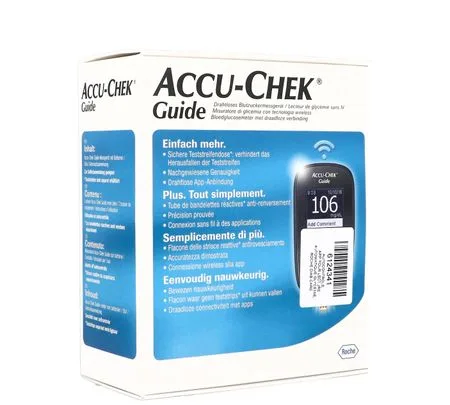
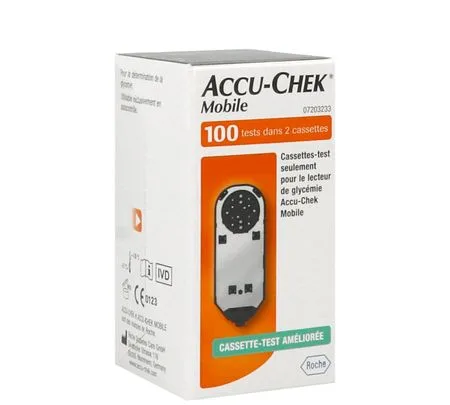
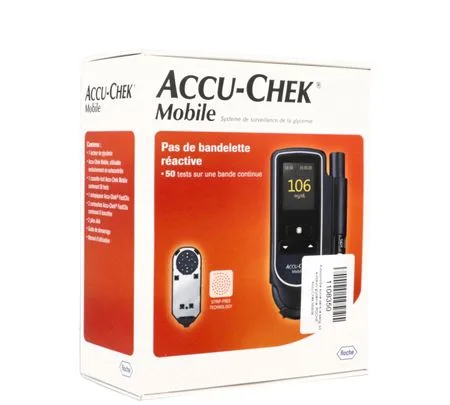
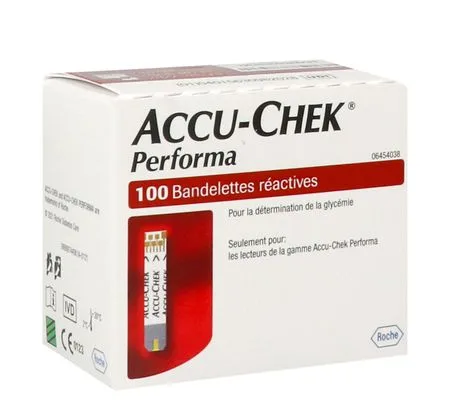
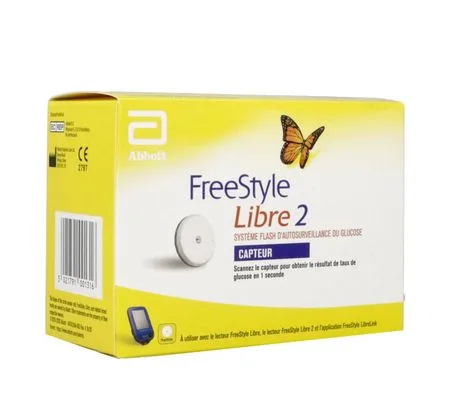

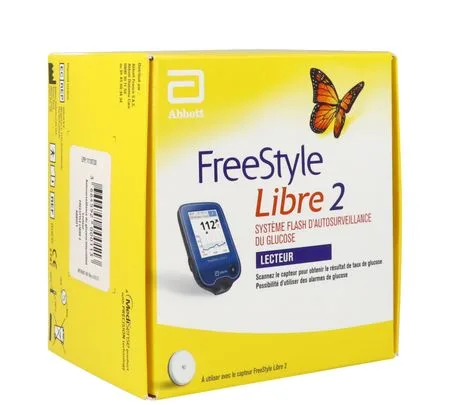

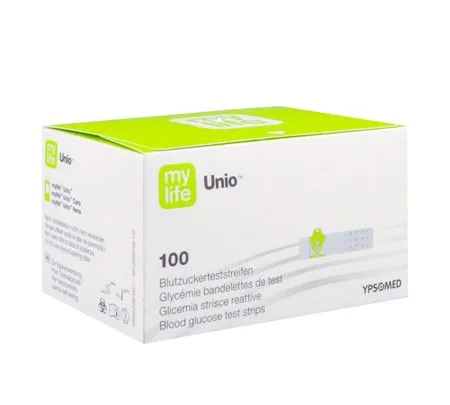

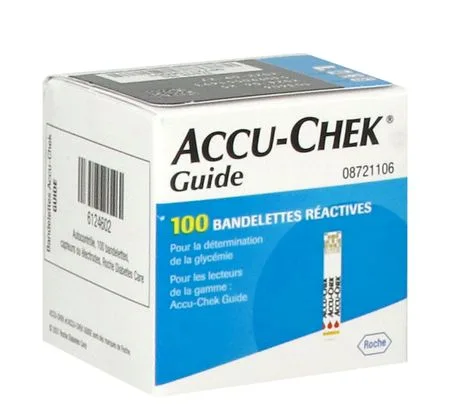
Understanding analysis & sampling
Strips and their parameter panels
A urine strip has reactive areas for specific parameters. pH, leukocytes, nitrites, glucose or other markers may belong to the panel according to the design. Area count describes scope rather than establishing a global diagnosis. Qualitative or semi-quantitative reading depends on the system. Visually read strips and those associated with analysers are not universally interchangeable. Support, reagent and reading method need to remain linked in the description. More zones therefore describe additional targets rather than an automatic overall quality grade.
Containers: capacity, closure and material
A receptacle can be described through nominal capacity, working volume, opening and material. Those specifications differ from outside dimensions. Screw caps, graduations and labels are separate features. Sterility needs a declaration for the presentation and does not follow simply from an assembled cap. Some containers include an additive or transfer connection, which needs identification rather than assumption for the entire family. Collection and transfer functions also remain distinct, even when combined within a particular container design.
Reagents, calibrators and controls
Reactive preparations, buffers and control solutions do not necessarily have the same function. A reagent contributes to a defined analytical stage, while a control supports a system-specific verification. Liquid, dry and preparation-dependent forms have their own presentation and restrictions. Volume, concentration and test count provide different information. A bottle intended for one instrument does not become compatible with every analyser targeting the same parameter. The method and complete system remain central, rather than the marker name or apparent simplicity of the liquid.
The material chain around a specimen
The collection container, analytical support and reading instrument are different material elements without forming a protocol here. Accepted samples and intended accessories need to be consistent with each device’s purpose. Storage conditions may concern the reagent or protected presentation and cannot be generalised across all articles. Self-test or professional purpose also needs explicit identification. This functional approach explains the equipment while keeping analytical output separate from clinical interpretation. It also distinguishes a complete testing kit from a replacement component that performs only one role within it.
Frequently asked questions
Does a graduated container perform an analysis?
Graduations provide volume markers within their stated purpose. They are not reactive areas and do not turn the receptacle into a standalone analytical device or test.
Does a shared parameter guarantee reagent compatibility?
No. Formulation, method, support and reading system define intended combinations. The parameter name alone cannot replace those technical specifications or establish universal compatibility.
Updated 10 November 2026
Sources and further reading