Professional product catalogue
Venous compression
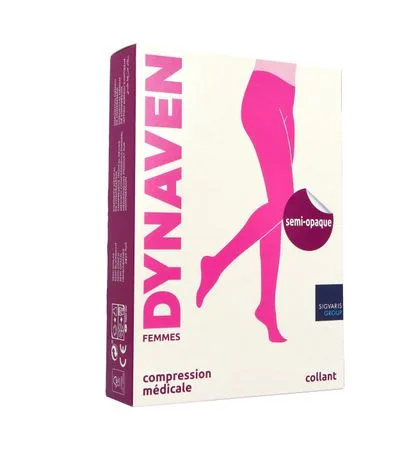
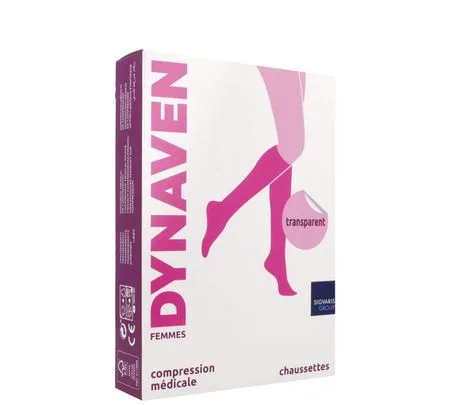
Venous compression includes textile devices and systems designed to exert a defined pressure according to their construction. Medical socks, stockings and tights differ in coverage, dimensions and pressure level. This function is distinct from simply retaining a dressing. Pharmacy teams can describe format, measurements, stated pressure and textile construction without choosing a compression class for an individual situation. Stretch, appearance and nominal clothing size are separate characteristics rather than interchangeable descriptions of a medical compression device.
Products in this category
47 products
 Sigvaris
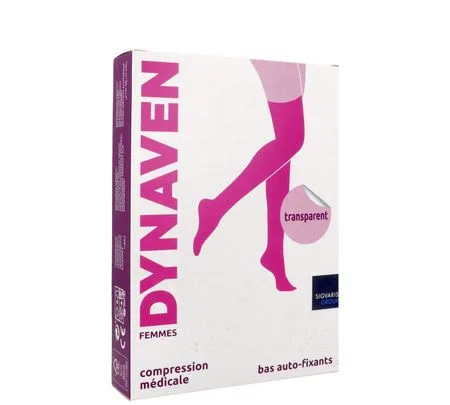
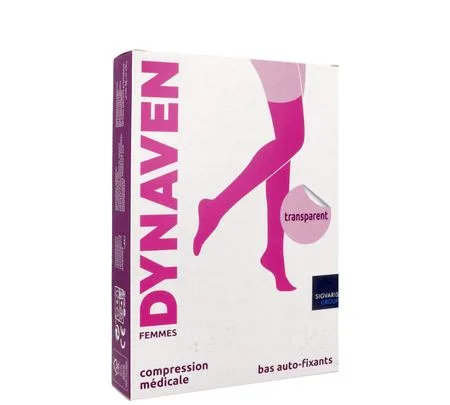
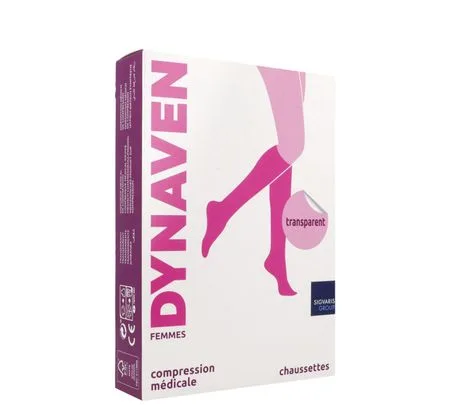
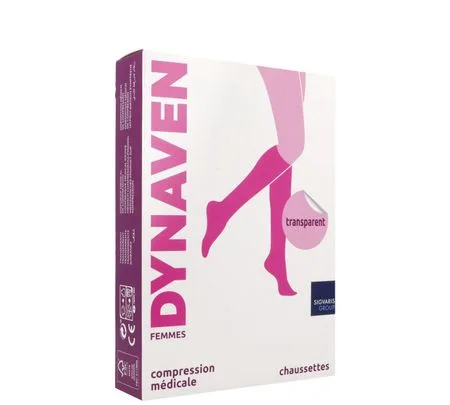
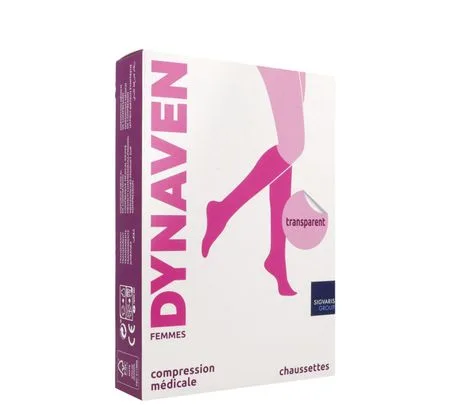
2 Dynaven Transparent Thigh-high Self-fixing Light Beige Normal Large-
CIP / EAN : 3611610059844
- Sigvaris
Sigvaris2 Dynaven Transparent Thigh-high Self-fixing Open Toe Light Beige Normal Medium
CIP / EAN : 3611610060000
 BSN-Radiante SAS
Radiante3 Microvoile Bas Jarfix Pied Ouvert Naturel Court T3
CIP / EAN : 4042809508055
- Lohmann & Rauscher
Lohmann Rosidal K Bande Compression Allongement Court 10m X 10cm
CIP / EAN : 4056649334729
- Lohmann & Rauscher
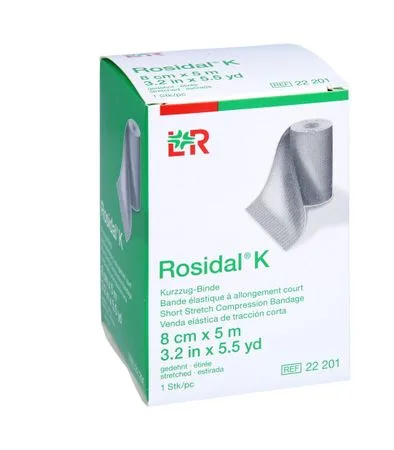
Lohmann Rosidal K Compression Bandage Short Stretch 5m X 8cm
CIP / EAN : 3401076524501
- Sigvaris
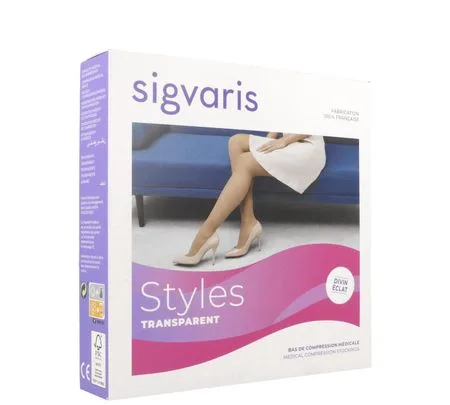
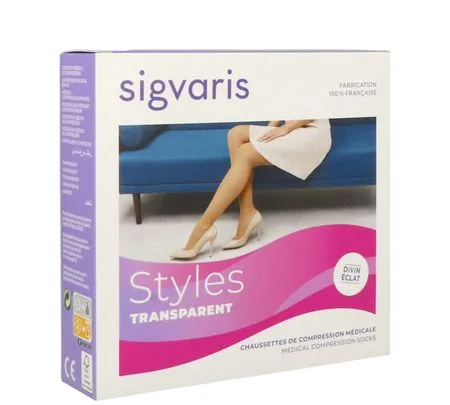
Sigvaris2 Styles Transparent Thigh-high Self-fixing Beige120 Normal Large
CIP / EAN : 3611610043157
- Sigvaris
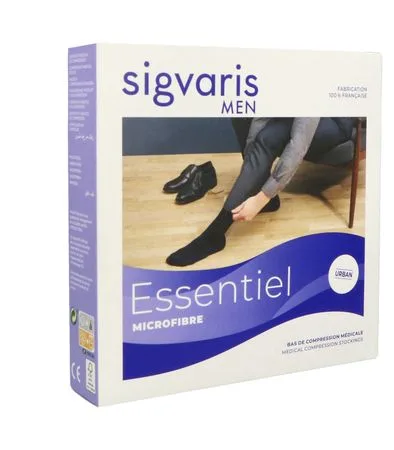
Sigvaris2 Essentiel Microfibre Thigh-high Self-fixing Men Black Normal Small
CIP / EAN : 3611610056263

Understanding venous compression
Pressure and compression classes
Compression pressure may be expressed in millimetres of mercury. A class refers to a pressure convention whose boundaries can vary between countries. Class numbers therefore cannot be compared without knowing the relevant framework. Graduated compression also describes a pressure distribution along the limb; it cannot be inferred from colour or the apparent thickness of the fabric. These concepts differ from garment size. Identifying each separately gives a clearer technical description without specifying an individual therapeutic pressure.
Coverage and textile construction
A knee-high sock, thigh-length stocking and pair of tights cover different areas. Open or closed toes, upper edges and retention structures add further geometry. Knit construction and associated fibres may differ between devices. Similar colour or texture does not establish the same pressure characteristics. Functional specifications therefore remain distinct from appearance. A change in height is also more than a cosmetic variation because the textile covers different portions of the limb within its declared construction.
Measurements and comparison limits
Circumferences and lengths correspond to measurement points defined for the model. A letter size is not a universal measurement. Medical compression devices differ from comfort garments and other elastic textiles through their documented purpose and characteristics. Pressure selection and assessment of compatible situations belong to healthcare professionals. This category explains equipment without specifying an indication, wearing duration or reimbursement condition. The material description remains useful while preserving the distinction between a technical specification and an individual clinical decision.
Frequently asked questions
Does a compression class mean the same thing in every country?
Not necessarily. Pressure conventions can differ. Stated pressure and the framework associated with the class need separate identification for a meaningful technical comparison.
Is every elastic sock a medical compression device?
No. Elasticity alone defines neither a pressure nor a medical purpose. Those characteristics need documentation for the particular device rather than an assumption based on fabric stretch.
Updated 10 November 2026
Sources and further reading