Professional product catalogue
Orthopaedics & compression
Orthopaedics and compression includes external devices with different mechanical functions: support, stabilisation, movement limitation or defined pressure. Orthoses, venous compression textiles and compression bandages have their own architectures. For pharmacy teams, anatomical area, geometry, materials and sizing parameters are important specifications. These explain the equipment without determining an indication, setting or pressure for an individual. A common textile appearance does not establish equivalence between a support sleeve, a hinged splint and a documented medical compression device.
Products in this category
101 products






Understanding orthopaedics & compression
Orthoses: textiles, reinforcement and joints
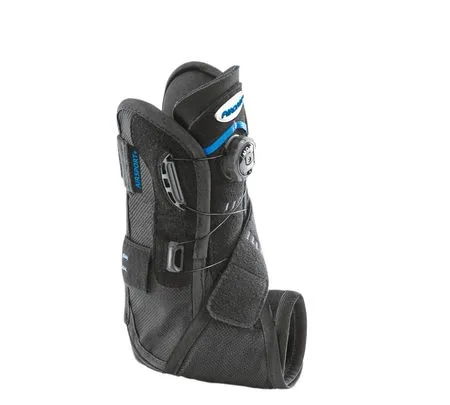
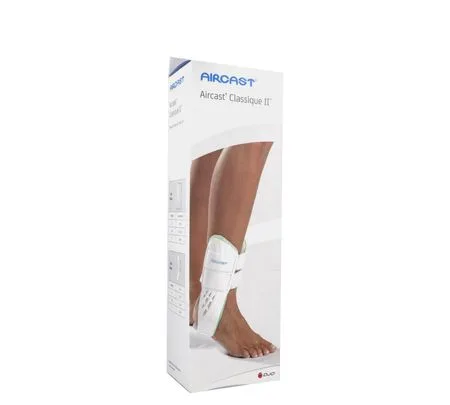
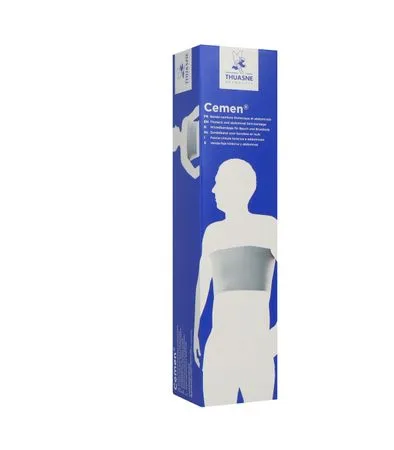
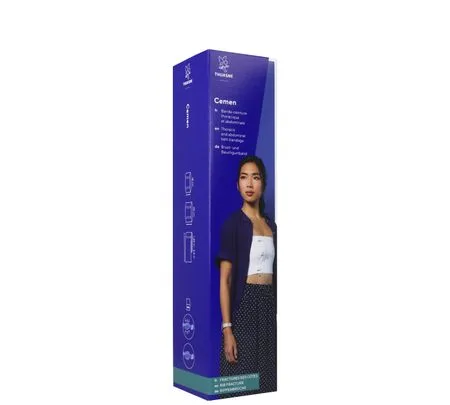
A knitted sleeve, semi-rigid splint and rigid frame do not have the same construction. Stays, inserts, moulded elements and straps may supplement the main support. A joint can add movement-control functions and differs from simple reinforcement. The flexibility of the outside covering does not describe the entire assembly. Anatomical area and laterality also remain separate characteristics because a thumb orthosis is not simply a different size of a wrist support. The full architecture explains how the elements relate to one another.
Venous compression textiles
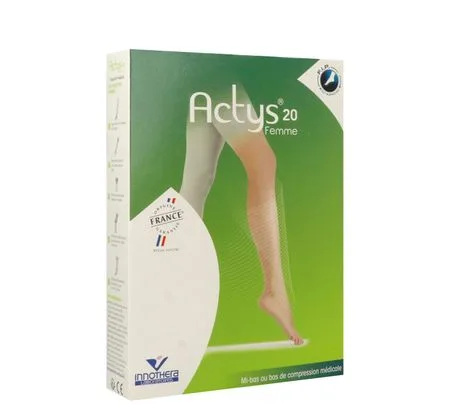
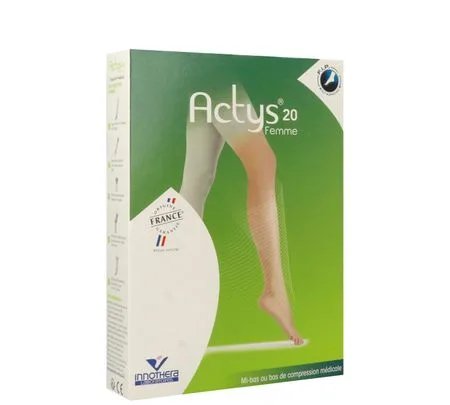
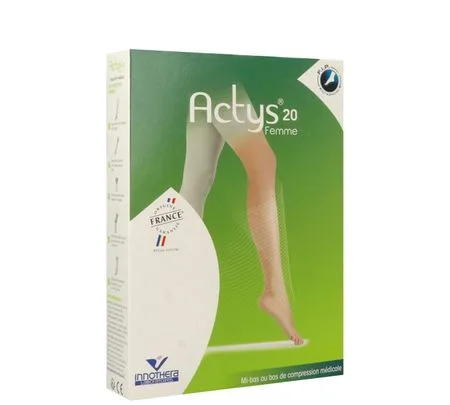
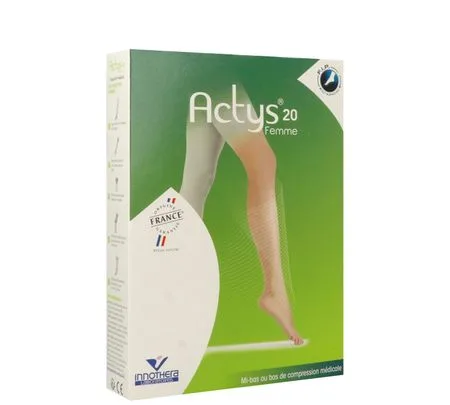
Medical socks, stockings and tights differ in height and geometry. Stated pressure is distinct from size and fabric appearance. Compression classes refer to pressure conventions whose numerical labels can differ between countries. Measurement points and sizing conventions are model-specific. An elastic comfort garment is therefore not automatically equivalent to a documented medical compression device. Pressure, dimensions and textile construction all belong in the description, rather than treating a familiar class label as a complete specification.
Compression bandages and their assemblies
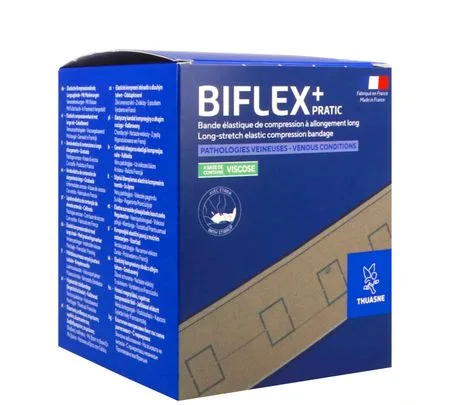
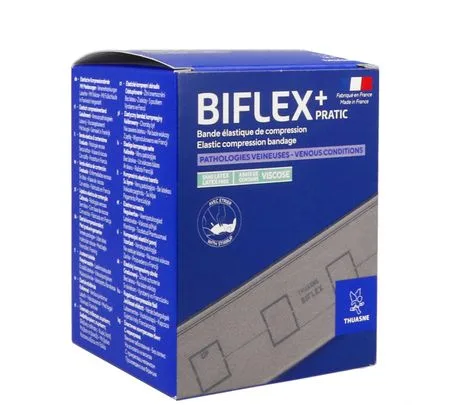
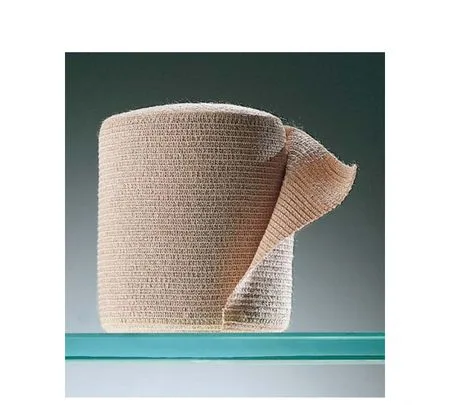
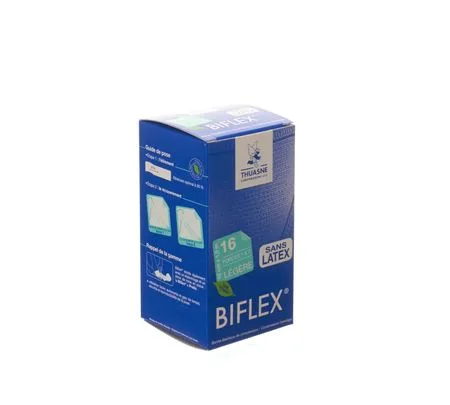
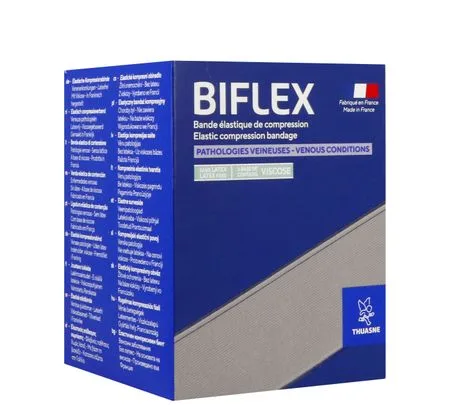
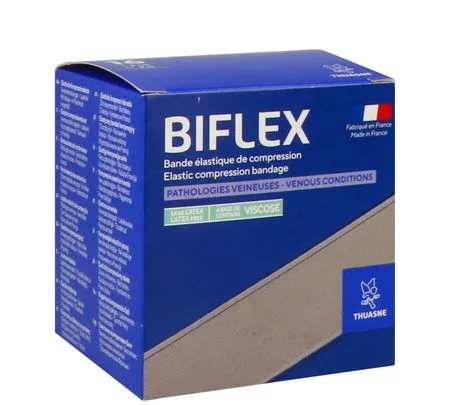
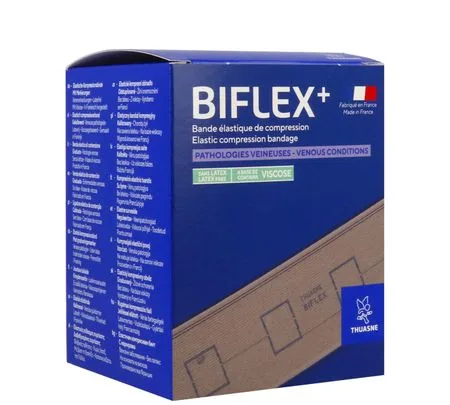
Bandage extensibility describes elongation. Skin adhesion and cohesion between overlapping layers are separate properties that do not alone define a therapeutic pressure. Some systems combine several elements, including padding or protective components distinct from the main bandage. Roll count and layer count are not necessarily identical. This construction differs from preformed compression garments and from bandages intended only to retain a dressing. The intended mechanical function helps distinguish each family alongside material, roll dimensions, layer architecture and any components used for padding or retention.
Dimensions have a specific context
A letter size is not a universal measurement. Lengths, circumferences, right or left construction and adjustment possibilities describe different features. Documented purpose and the assessment of compatibility with a clinical situation remain essential. The orthosis frame, height of a compression garment and architecture of a bandage provide material specifications particular to each family. Professional comparison therefore concerns the complete construction rather than visual resemblance or one isolated dimension. The distinction keeps equipment characteristics separate from the decisions made by the professionals responsible for fitting or prescribing it.
Frequently asked questions
Are elasticity and medical compression synonyms?
No. Elasticity describes material behaviour, while medical compression relies on a documented purpose and specific characteristics. Stretch alone does not define a therapeutic pressure.
Is a hinged orthosis necessarily more rigid than another support?
A hinge and rigidity describe different aspects. The frame, reinforcement and movement functions need to be considered together; one adjective does not summarise the whole orthosis.