Professional product catalogue
Antihistamines
Antihistamines oppose selected effects of histamine, a mediator involved in allergic manifestations. This category focuses on systemic antihistamine medicines, particularly oral presentations. Active substances, solid and liquid dosage forms, and combination ingredients distinguish professional references. Medicines applied directly to the nose or eye retain their own pharmaceutical identity, even when they are used in a similar allergic setting. The shared word antihistamine therefore describes a pharmacological relationship rather than one uniform type of product.
Products in this category
174 products
 Coopération Pharmaceutique Française
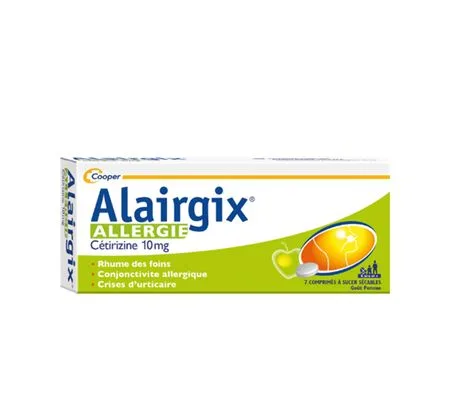
ALAIRGIX ALLERGY CETIRIZINE 10 mg Scored lozenge Blister/7
CIP / EAN : 3400936707580
- Effik
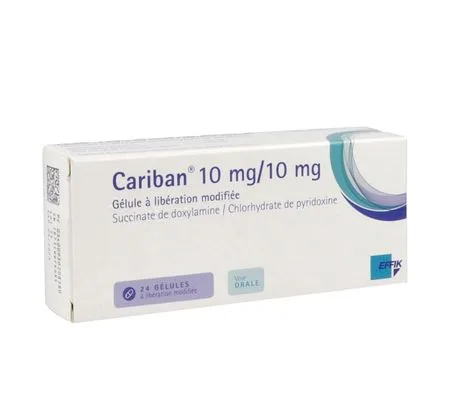
CARIBAN 10 mg/10 mg Hard Capsule Modified Release 4Blister/ PVC/PVDC/Alu/12
CIP / EAN : 3400930244128
 Arrow Génériques
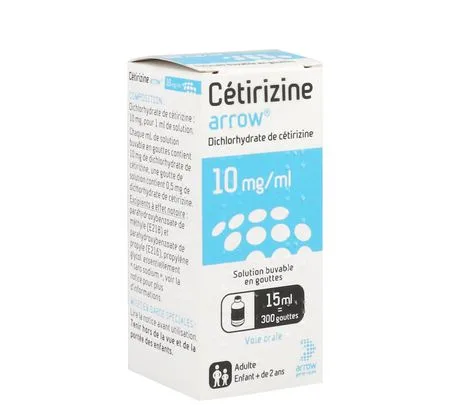
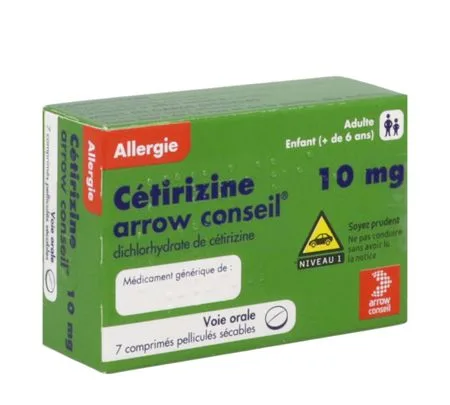
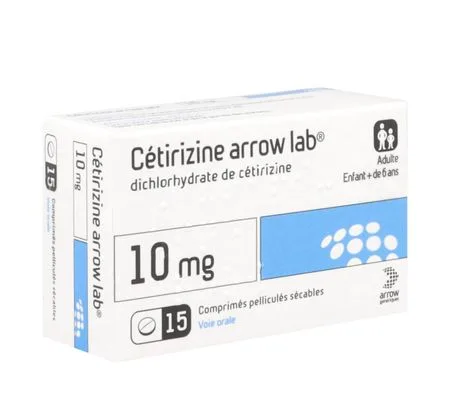
CETIRIZINE ARROW CONSEIL 10 mg film-coated tablet Blister/7
CIP / EAN : 3400930085042










Understanding antihistamines
Histamine and H1 receptors
Allergy antihistamines primarily act at H1 receptors. Their terminology occurs in allergic rhinitis and urticaria, which describe different manifestations: nasal mucosal symptoms in one setting and characteristic skin symptoms in the other. An antihistamine is consequently not a general treatment for every mechanism involved in allergy. H2 antihistamines provide another useful distinction: they belong with medicines affecting gastric acidity rather than this systemic allergy group. Receptor terminology helps clarify why similar names can appear in separate therapeutic areas.
Oral substances and presentations
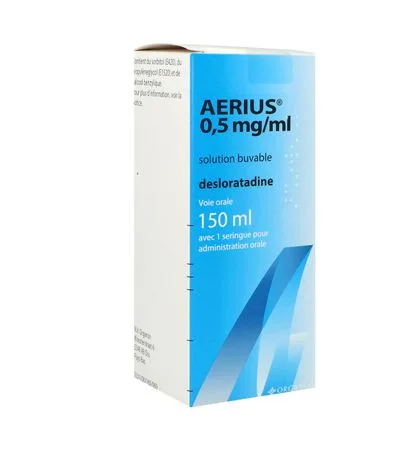
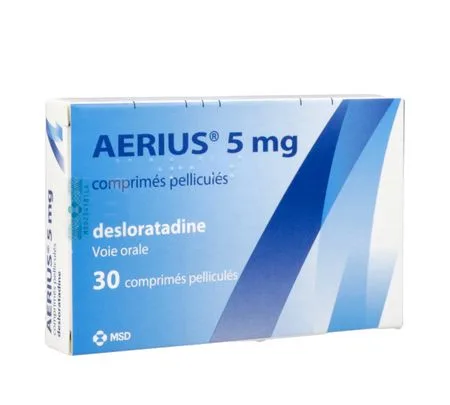
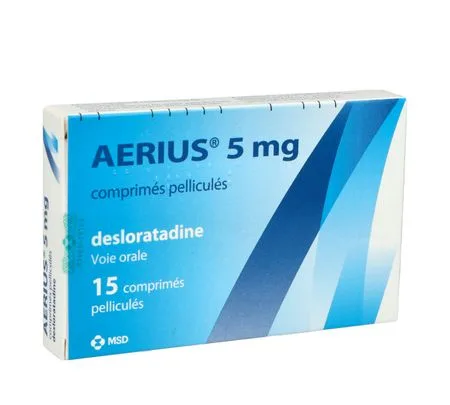
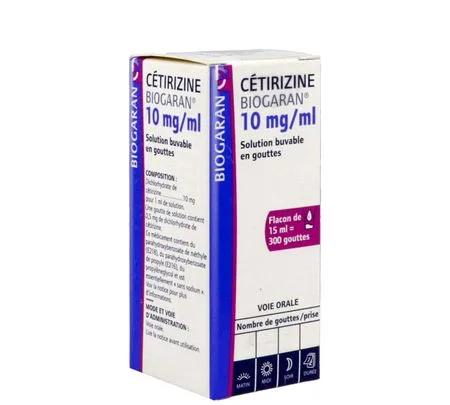
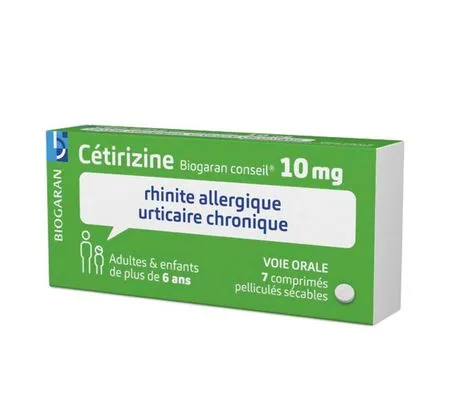
Cetirizine, loratadine and desloratadine are examples of substance names associated with this family. Tablets, orodispersible tablets and oral solutions describe different presentations rather than alternative labels for the same pack. For liquids, concentration and bottle volume convey separate information; for solids, substance content per unit differs from the number of units supplied. Older and newer families also differ in their potential for drowsiness. A broad category name does not establish the tolerability of a particular medicine for an individual person.
Systemic and local medicines
The ATC index separates systemic antihistamines in R06 from nasal and ophthalmic preparations. Some products combining an antihistamine with another ingredient belong to a different group reflecting their composition or principal purpose. Reading the complete substance list therefore matters more than finding one familiar word in a name. In a pharmacy setting, distinguishing single substances from combinations, followed by route and dosage form, makes the reference easier to identify without creating an assumption that presentations are interchangeable.
Frequently asked questions
Does every antihistamine eye drop belong in this category?
No. Related pharmacological actions can be classified separately by route. Ophthalmic preparations belong to eye medicines, while this category concerns systemic antihistamines.
Are antihistamines and allergen immunotherapy the same approach?
No. Antihistamines act on the effects of a mediator. Allergen immunotherapy uses an identified allergen in a specific approach, with different pharmaceutical products and documentation.
Updated 10 November 2026
Sources and further reading