Professional product catalogue
Allergy medicines
Allergy medicines have several different purposes: acting on selected histamine-related manifestations, using an allergen in specific immunotherapy, or addressing the context of anaphylaxis. Those distinctions organise this professional category. Oral, sublingual and injectable presentations do not all have the same role. Understanding the substance, any identified allergen source and the complete presentation helps place a reference in context without treating every allergic condition as an indication for one uniform pharmaceutical class or administration route.
Products in this category
224 products
 Aguettant
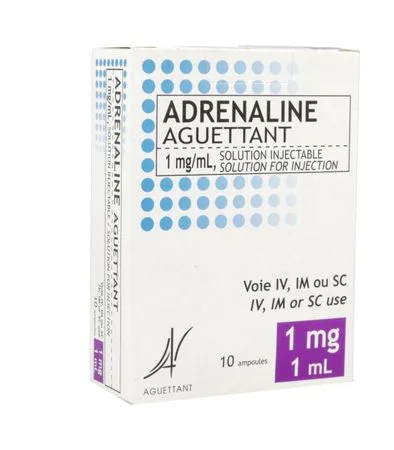
ADRENALINE AGUETTANT 1 mg/1 ml Solution for injection ampoule 10Ampoule/1ml
CIP / EAN : 3400931953173
- Renaudin
ADRENALINE RENAUDIN 0,25 mg/ml Solution for injection in ampoule 10Ampoule box/1ml
CIP / EAN : 3400936433946
 Coopération Pharmaceutique Française
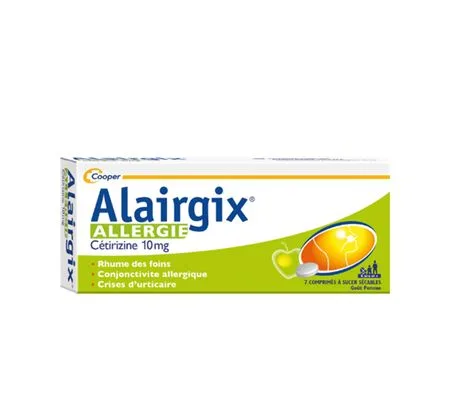
ALAIRGIX ALLERGY CETIRIZINE 10 mg Scored lozenge Blister/7
CIP / EAN : 3400936707580
 Bioprojet Pharma
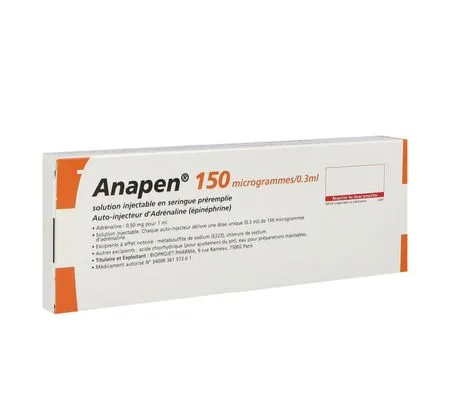
ANAPEN 150 µg/0,3 mL solution for injection prefilled syringe 2Syringe/0,3mL
CIP / EAN : 3400936157361
- Bioprojet Pharma
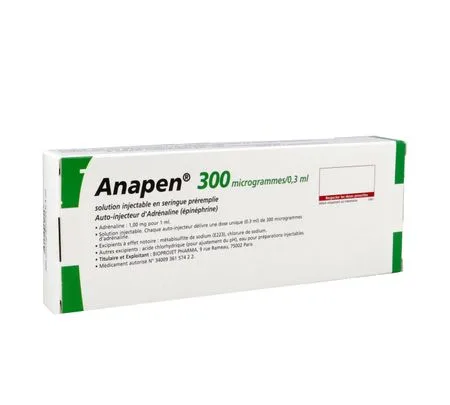
ANAPEN 300 µg/0,3 mL solution for injection prefilled syringe 2Syringe/0,3mL
CIP / EAN : 3400936157422
- Effik
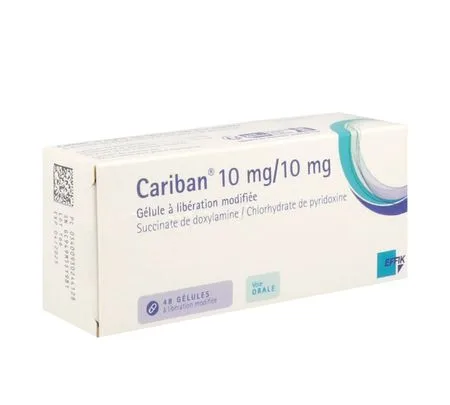
CARIBAN 10 mg/10 mg Hard Capsule Modified Release 4Blister/ PVC/PVDC/Alu/12
CIP / EAN : 3400930244128




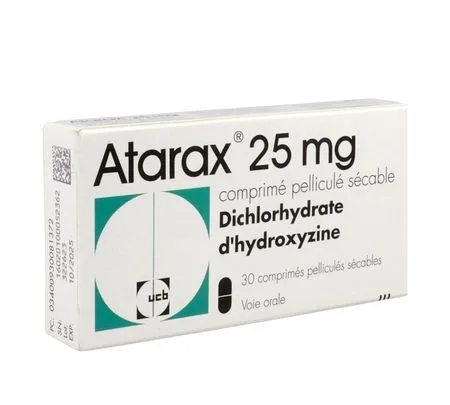

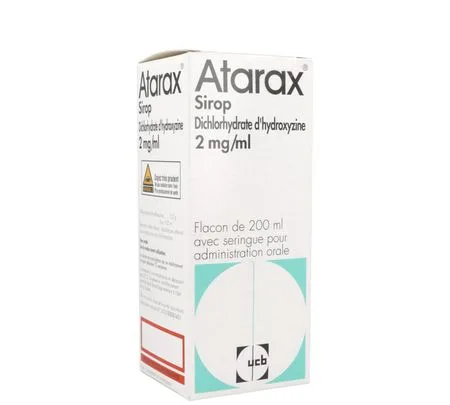
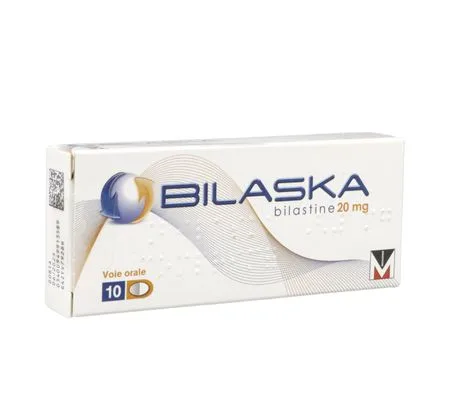

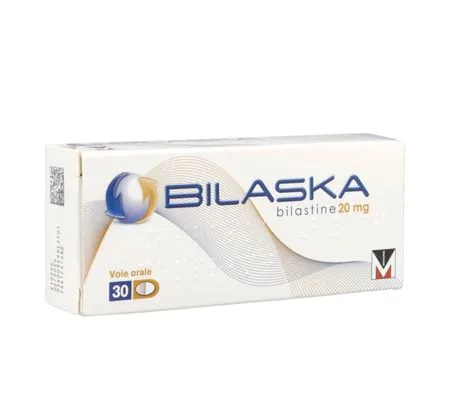




Understanding allergy medicines
Allergy, sensitisation and clinical manifestations
Allergy involves an immune response to a substance described as an allergen. Pollen, house dust mites, foods and insect venoms illustrate different sources, rather than a list of immunotherapy products assumed to be available. Sensitisation identified during an allergy assessment and its clinical manifestations are related but distinct considerations. Rhinitis, urticaria and a systemic reaction do not describe the same clinical picture. These terms help explain why allergy medicines span several mechanisms and why a symptom name alone cannot establish the identity of a medicinal product.
Antihistamines and allergic manifestations
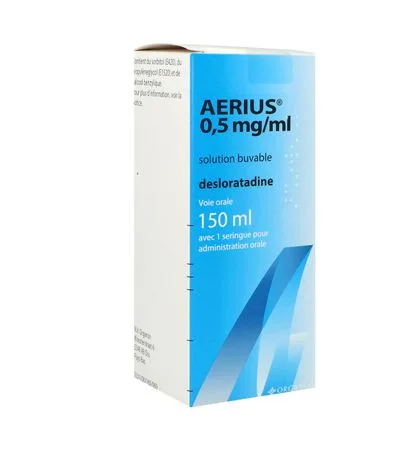
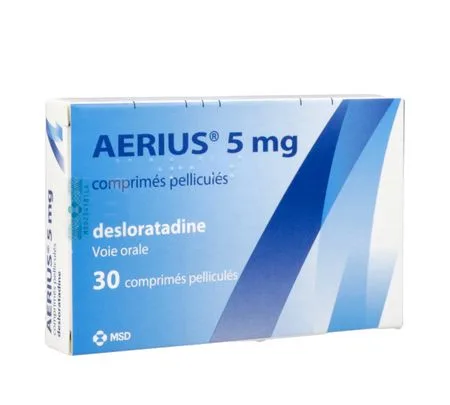
H1 antihistamines oppose effects of histamine. Systemic preparations, frequently oral, differ from eye drops and nasal medicines classified according to their route. Single-substance products and combinations also retain their compositional differences. The word antihistamine does not encompass every medicine associated with allergic rhinitis, which may involve other classes. Nor does it describe allergen immunotherapy. Acting on a mediator and using an identified allergen in a specific immune approach are different pharmaceutical principles, even when the products appear within the same broader allergy environment.
Immunotherapy and diagnostic allergen products
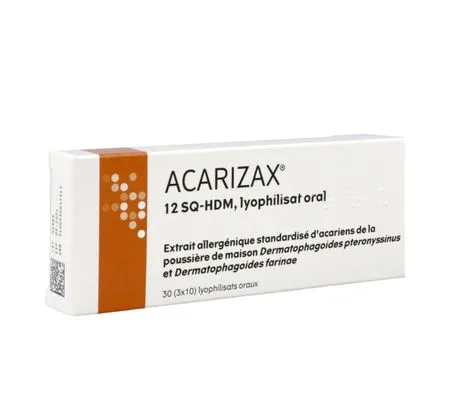
Desensitisation is another term for allergen immunotherapy. Allergen source, extract characteristics and sublingual or subcutaneous route contribute to preparation identity. The ATC allergen family also includes products developed for diagnosis. A shared allergen source does not make those purposes equivalent. An extract used for testing must be distinguished from an immunotherapy preparation using its own documentation. Expressions of activity retain their product-specific meaning; they do not establish automatic equivalence between sources, extracts or manufacturers, even when familiar allergen names appear in several references.
Anaphylaxis and emergency presentations
Anaphylaxis involves a potentially severe systemic reaction within an emergency care setting. Adrenaline has a specific role that differs from that of antihistamines. Auto-injector pens combine a medicine with an identified administration mechanism, while other injectable forms have their own characteristics. Concentration, delivered amount and total volume are separate information items. For pharmacies and professional procurement, understanding these distinctions helps identify the exact presentation. It does not turn this category into treatment instructions or provide a basis for assuming equivalence between different devices or injectable formats.
Frequently asked questions
Why separate antihistamines from allergen immunotherapy?
Their principles differ. Antihistamines act on a mediator involved in certain manifestations, while immunotherapy uses an identified allergen in an allergen-specific immune approach.
Are all medicines used in allergy in one category?
No. Local medicines may belong to nasal, ophthalmic or dermatological categories. This allergy category brings together the systemic and specific families described without removing their distinct routes and purposes.