LEO Pharma France
ADTRALZA 150 mg Prefilled syringe solution for injection 4Syringe (2x2)
CIP / EAN : 3400930230268
Professional product catalogue
Medicines for eczema and dermatoses include topical corticosteroids and other agents used in dermatitis. They share a setting of inflammatory skin disease, but differ in active substances and administration routes. Creams, ointments and other local preparations do not describe every pharmaceutical option. This professional category distinguishes medicinal classes from emollients and hygiene products, whose role and regulatory status are not automatically those of a medicinal product. It also preserves the differences between several forms of inflammatory skin disease.
280 products
LEO Pharma FranceCIP / EAN : 3400930230268
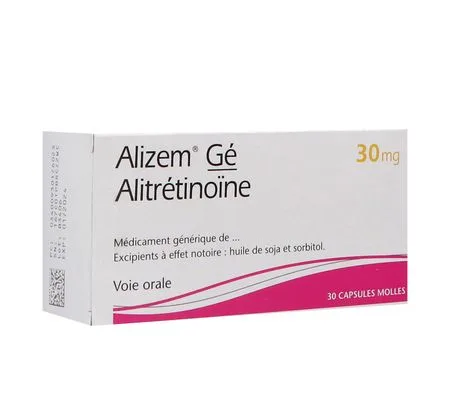
 Amgen SAS
CIP / EAN : 3400930294482
Amgen SASCIP / EAN : 3400930294499
Amgen SASCIP / EAN : 3400930294475
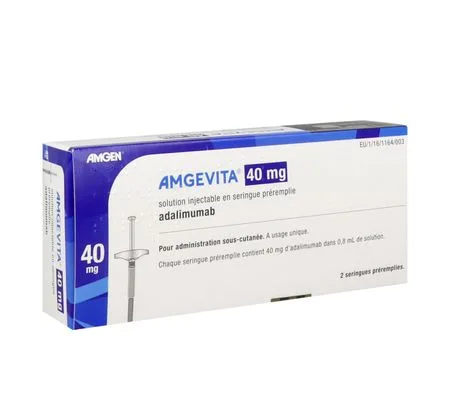 Amgen SAS
CIP / EAN : 3400930141731
Amgen SASCIP / EAN : 3400930294512
Amgen SASCIP / EAN : 3400930294529
Amgen SASCIP / EAN : 3400930294505
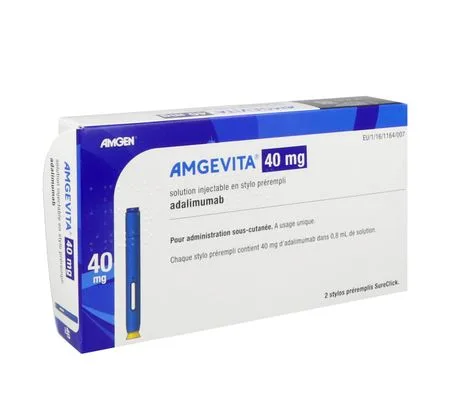 Amgen SAS
CIP / EAN : 3400930141779
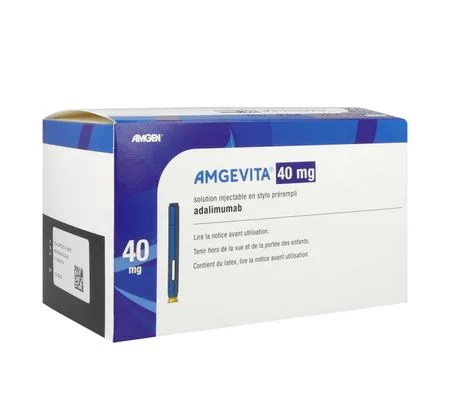 Amgen SAS
CIP / EAN : 3400930141809
Amgen SASCIP / EAN : 3400930294536
Amgen SASCIP / EAN : 3400930294567
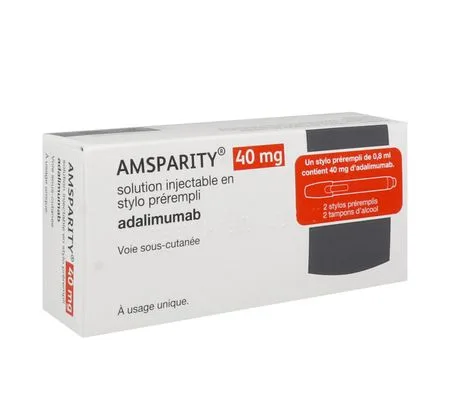
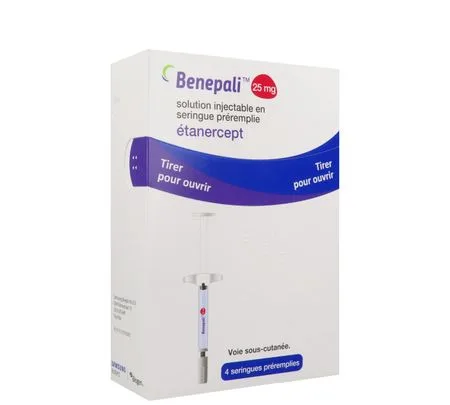
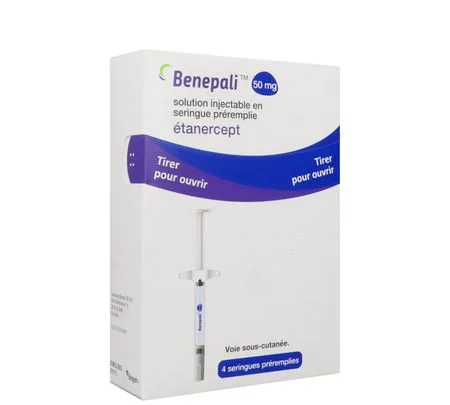
Dermatosis is a broad term for a skin disorder, rather than a single diagnosis. Atopic eczema and contact eczema arise in different contexts, although inflammatory manifestations can overlap. Itching and dry skin are familiar terms in atopic dermatitis, but they do not define every dermatosis. The category focuses on the medicines assigned to it; it does not indiscriminately combine antifungals, acne treatments and every product intended for the skin. This distinction gives the broad dermatological vocabulary a more precise pharmaceutical meaning.
Topical dermatological corticosteroids are corticosteroids intended for cutaneous use. Their potency is a pharmacological characteristic that cannot be established by simply comparing the percentage strengths of two different substances. Other dermatitis agents use distinct mechanisms, such as calcineurin inhibition or targeting inflammatory pathways. Classification therefore separates dermatological corticosteroids from other agents used in dermatitis. A locally applied medicine and a systemic treatment do not necessarily have the same indications or conditions of use, even when they relate to the same broader disease area.
Cream and ointment describe different formulations even when they contain the same substance. Concentration, formulation ingredients and any combination of actives contribute to pharmaceutical identity; the appearance of a tube is insufficient. Some preparations contain several active substances and must be distinguished from corticosteroid-only products. In professional practice, the intended application site and the boundaries described in the documentation remain specific to the medicine. An emollient can accompany dermatological care without thereby becoming an anti-inflammatory medicine within this category.
No. Potency depends on the substance and preparation. Comparing concentration figures alone does not establish equivalent pharmacological activity.
No. Emollients, hygiene products and medicinal products have different roles and statuses. Their use within the same care setting does not make them equivalent.
Updated 10 November 2026
Sources and further reading