Professional product catalogue
Dermatology medicines
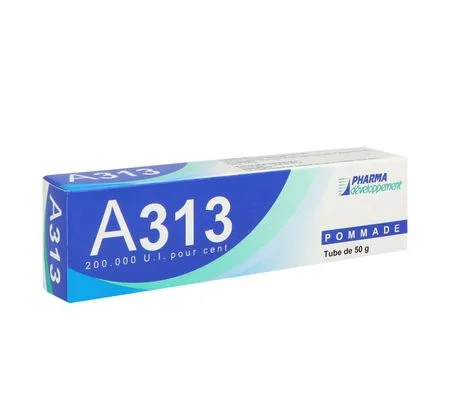
Dermatological medicines address different skin conditions, including eczema, acne and fungal infections. Their targets and dosage forms are not uniform: inflammation, follicular disease and fungal infection involve distinct settings. This professional category presents those families while maintaining the difference between medicines, cosmetics and hygiene products. Local preparations are prominent, alongside systemic agents classified within dermatology. Understanding these distinctions makes the category useful without treating every product intended for the skin as one interchangeable type of pharmaceutical preparation.
Products in this category
732 products








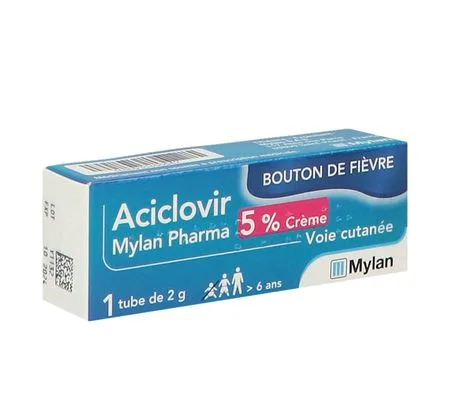
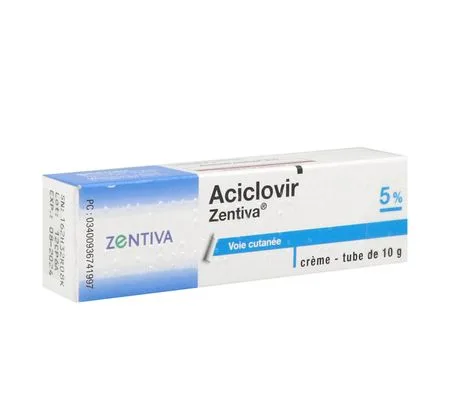

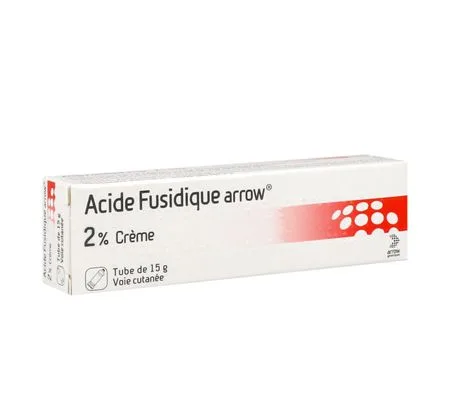
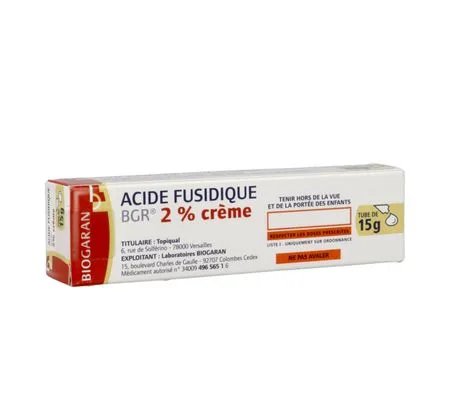

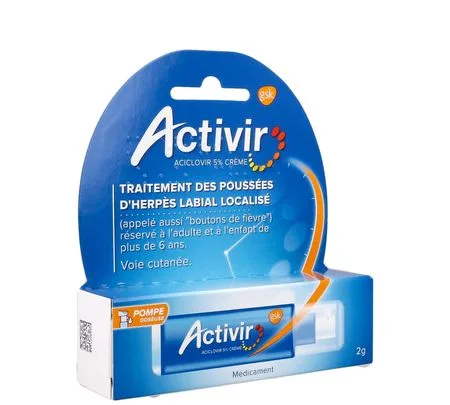
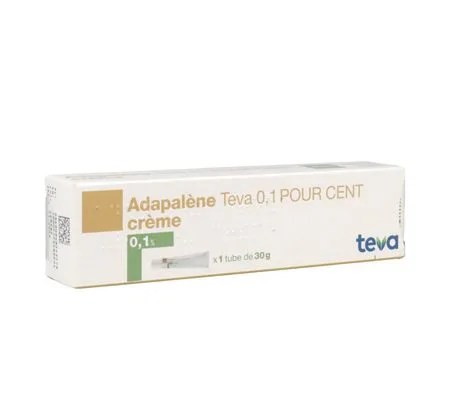

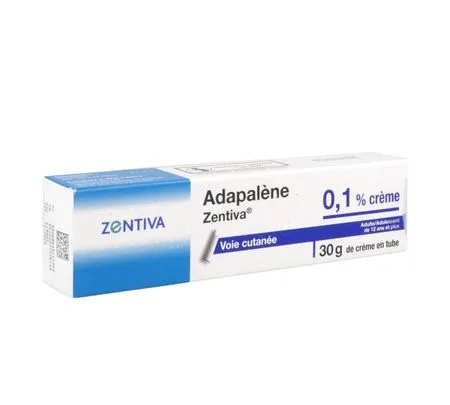
Understanding dermatology medicines
Skin, follicles and cutaneous appendages
Dermatology concerns the skin as well as follicles, nails and other cutaneous appendages. Dermatosis remains a broad term rather than a diagnosis with one cause. Visible manifestations can arise from inflammatory, infectious or other processes. This diversity explains the separation between eczema and dermatitis medicines, acne agents and antifungals. A shared destination at the skin does not establish a single mechanism for these products. Nor does an isolated visible sign determine an indication or show that every preparation in the same care environment is a medicine.
Eczema and dermatitis agents
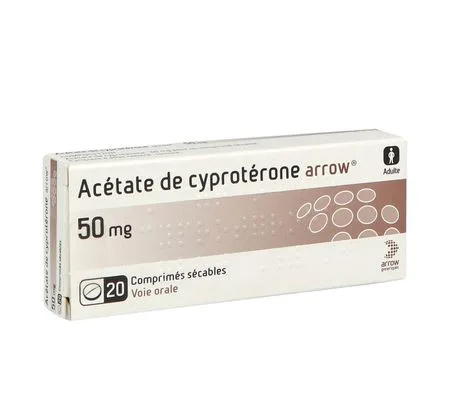
Dermatological corticosteroids are corticosteroids intended for cutaneous use. Other dermatitis agents involve different local or systemic mechanisms. The potency of a topical corticosteroid cannot be established by directly comparing percentage strengths across different substances. Creams and ointments also remain distinct formulations. Emollients and hygiene products may appear in the same care setting without sharing the role or regulatory status of these medicines. Keeping these distinctions clear avoids describing every preparation intended for dry or atopic skin as an anti-inflammatory medicinal product within the same category.
Acne and pharmaceutical families
Acne concerns the pilosebaceous follicle, with varying retention and inflammatory components. Retinoids, benzoyl peroxide and selected combinations illustrate several pharmaceutical approaches within this field. Cutaneous preparations differ from oral medicines. Selected agents used in acne belong to a wider family, notably systemic antibacterials. Cosmetics for blemish-prone skin form a separate product group. Commercial skin-care terminology consequently does not replace composition and regulatory status when identifying a medicinal product. The category describes pharmacological families without using a product search to assess the severity or treatment needs of an individual condition.
Fungal infections and presentation diversity
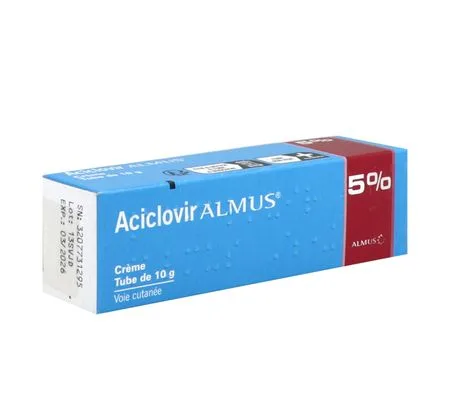
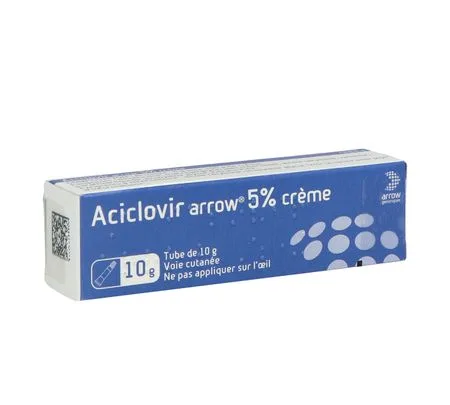
Dermatological antifungals concern fungi and sites such as skin or nails. The field includes local preparations and selected systemic agents with different characteristics. Creams, solutions and medicated nail lacquers have distinct characteristics related to their documented use. Oral-cavity and gynaecological antifungal preparations retain their particular destinations. For pharmacy work, useful identification combines substance, concentration, formulation and route. These data explain differences between references without assuming availability, a therapeutic outcome or equivalence between presentations. They also distinguish a medicine directed against fungi from a foot-care or hygiene product with a superficially similar destination.
Frequently asked questions
Does dermatology contain only locally applied medicines?
No. It also contains selected systemic agents. Conversely, a medicine used for a skin condition can belong to another family defined by its target or mechanism.
Why distinguish cosmetic care from dermatological medicines?
Their statuses and roles differ. The application site or mention of a skin concern does not establish the identity of a medicinal product.
Updated 10 November 2026
Sources and further reading