Professional product catalogue
Diarrhoea
This category brings together medicines assigned to diarrhoeal disorders, including antipropulsives and other antidiarrhoeals within the reference scope. Diarrhoea describes a change in stools rather than, by itself, a cause, duration or effect on hydration. Professional interpretation therefore distinguishes a medicine’s mechanism, authorised context and formulation. Rehydration solutions and nutritional products retain their own place in the catalogue, allowing pharmacy teams to understand related digestive roles without describing every product concerned as the same type of medicinal treatment.
Products in this category
54 products
- DSM-FIRMENICH HOUDAN SAS
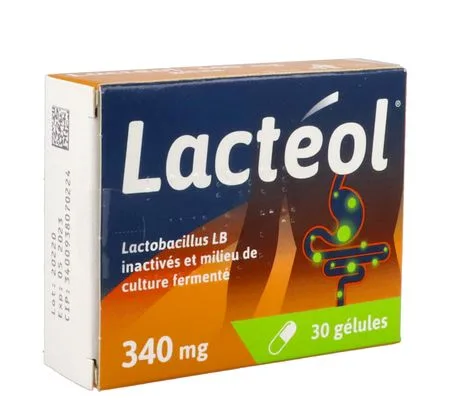
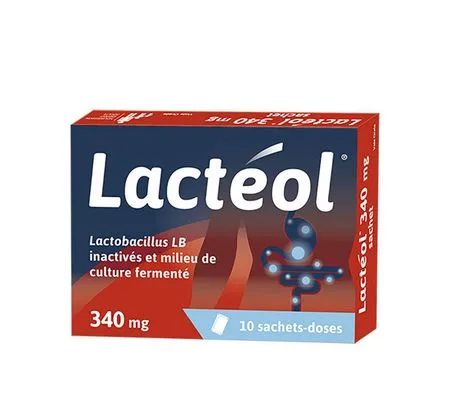
LACTEOL 340 mg Powder for oral suspension in sachet-dose 10 sachet
CIP / EAN : 3400933073602



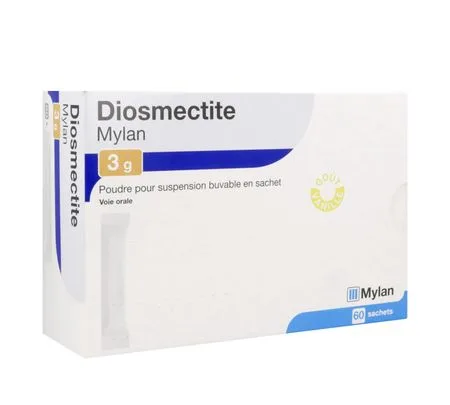
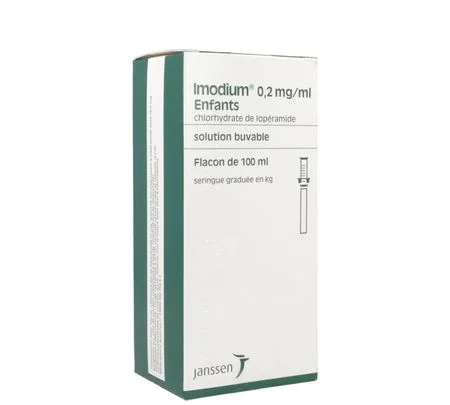

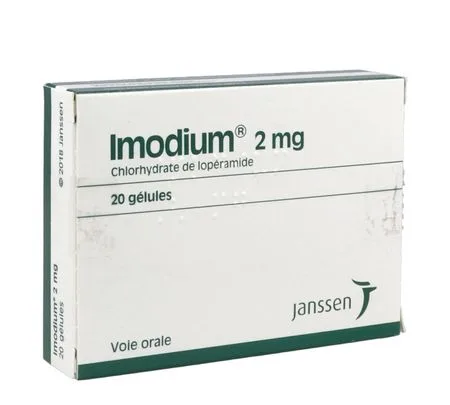

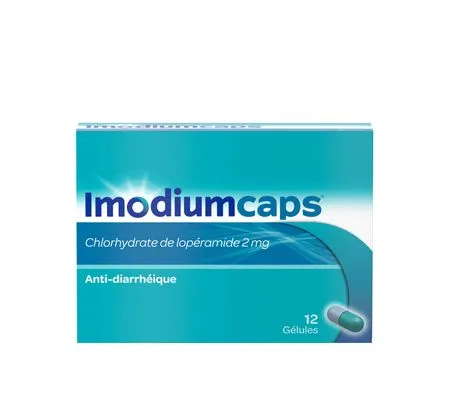










Understanding diarrhoea
Intestinal movement and secretion
Intestinal contents reflect a balance involving intake, secretion, absorption and movement through the bowel. Antidiarrhoeal medicines do not all address the same part of that balance. Antipropulsive medicines differ from preparations whose mechanism concerns secretion. This pharmacological vocabulary explains why antidiarrhoeal does not identify one single composition. Nor does the term establish that a substance necessarily treats the underlying cause of an episode. Mechanism and the symptom used to name a category therefore remain different aspects of the medicine’s description.
Symptoms and clinical context
Diarrhoeal disorders can be acute or chronic and can have different origins. Symptomatic treatment is distinct from treatment directed at an identified infectious agent. Anti-infective medicines have their own classes and indications. Similarly, preventing dehydration describes a different role from the action of an antidiarrhoeal medicine. Separating these functions makes professional documentation easier to interpret and avoids combining products solely because their descriptions refer to related everyday situations, digestive symptoms or the same part of the gastrointestinal tract.
Forms and identification in pharmacy
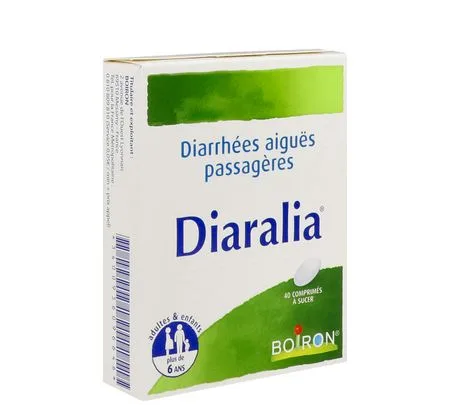
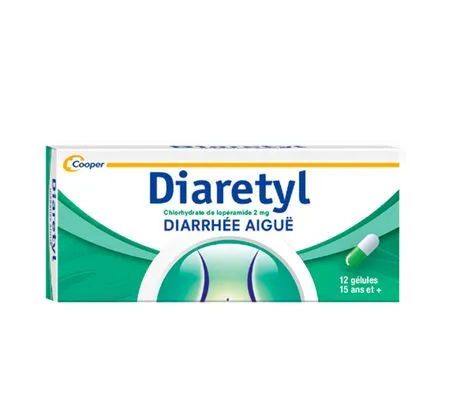
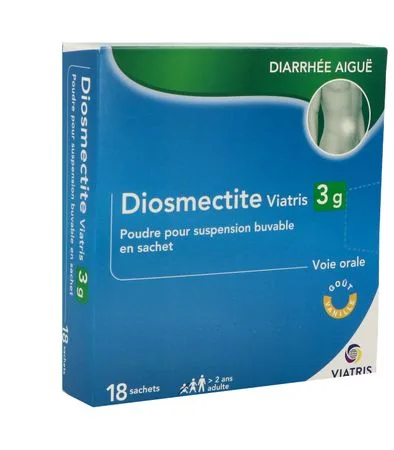
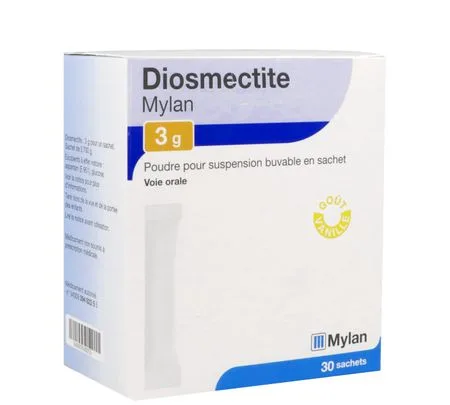
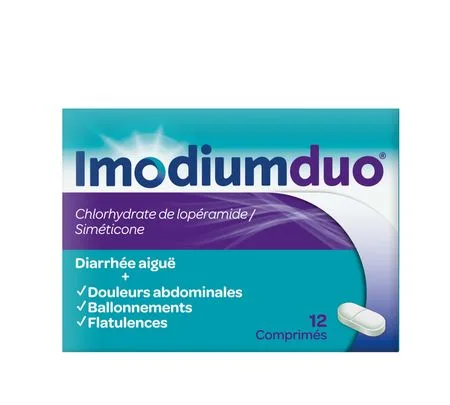
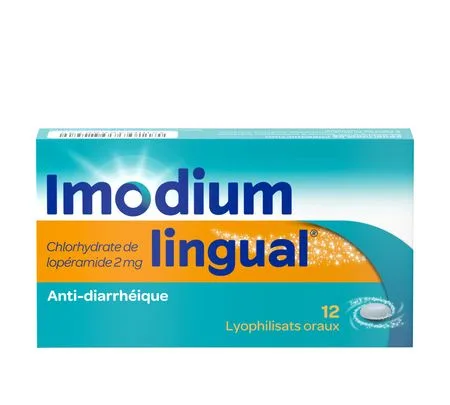
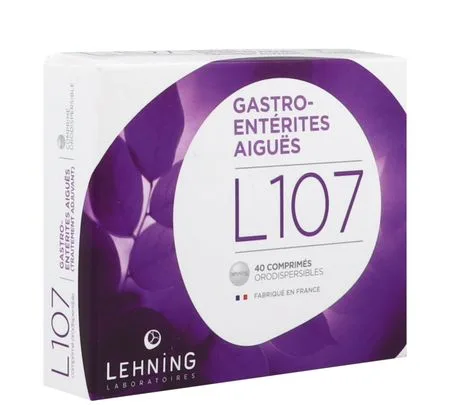
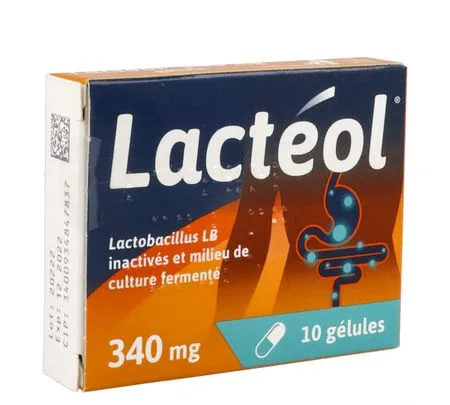
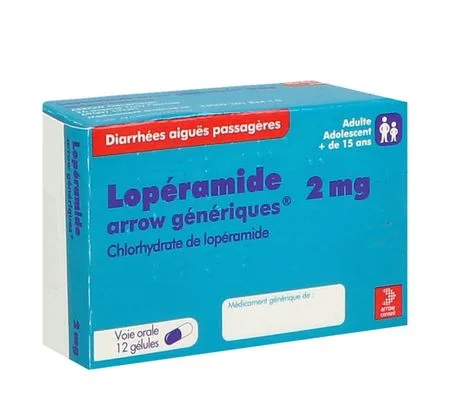
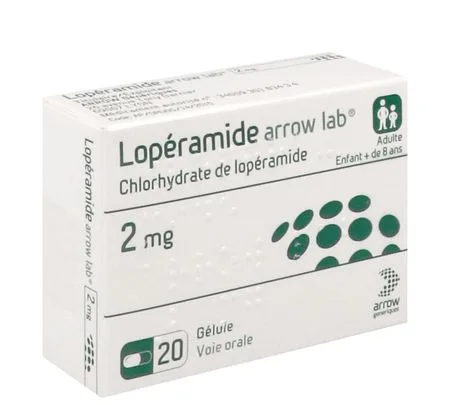
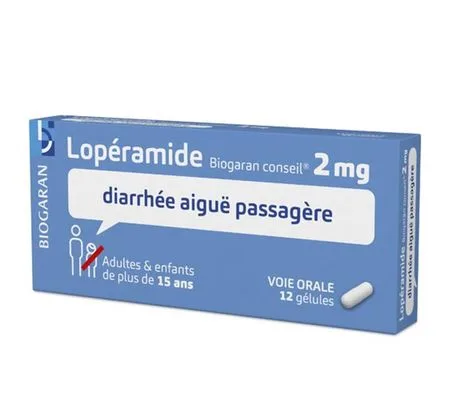
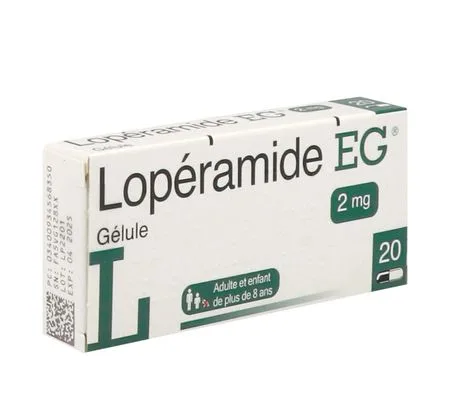
Capsules, dispersible oral forms and sachet preparations may differ in composition and pharmaceutical characteristics. The form designation remains linked to the active ingredient and its amount. A preparation containing several components requires consideration of the whole composition. Professional interpretation also includes the documented population and supply status. Those characteristics do not automatically extend from one reference to another simply because both sit within the same digestive family, and a similar-looking pack is not sufficient to establish an identical medicinal presentation.
Frequently asked questions
Is an antidiarrhoeal necessarily an anti-infective?
No. Acting on bowel movement or secretion differs from acting against an infectious agent. Classification and indication specify the medicine’s role.
Why are rehydration solutions separate?
Their role concerns fluid and electrolyte intake. That differs from antidiarrhoeal medicines, even though both may be discussed in the same digestive context.
Updated 10 November 2026
Sources and further reading