
ADEMPAS 0,5 mg Film-coated tablet, pellicle pack/42
Prices and discounts are reserved for client pharmacies.
Professional product catalogue
Other respiratory medicines cover fields beyond asthma, COPD and cough preparations. This professional category includes specialised approaches involving lung surfactants, respiratory stimulation and certain molecular targets. Mechanisms, administration routes and clinical contexts vary considerably. Other treatments therefore describes several identified families rather than a place where every medicine used in respiratory medicine is automatically combined. Understanding these differences helps pharmacy teams interpret specialised presentations without assuming that all respiratory medicines are inhaled or share the same pharmaceutical purpose.
50 products
Prices and discounts are reserved for client pharmacies.
Prices and discounts are reserved for client pharmacies.
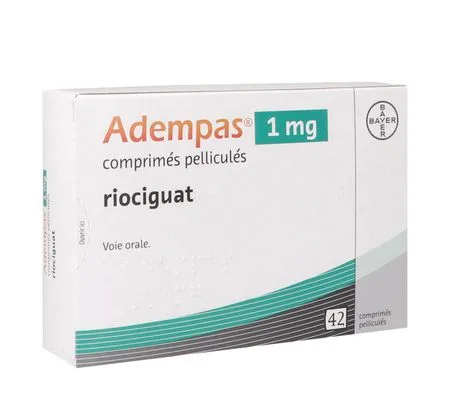
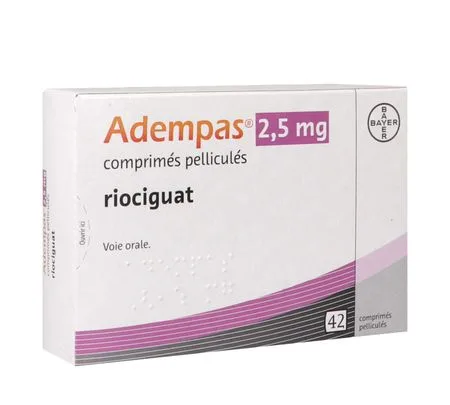
Prices and discounts are reserved for client pharmacies.
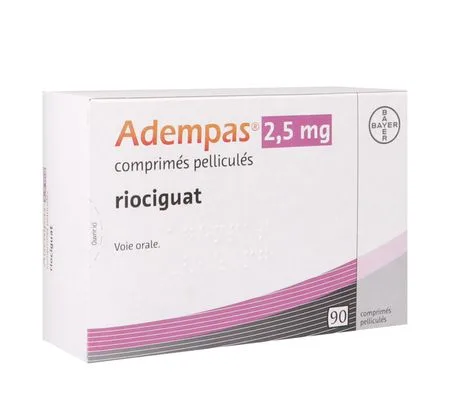
Prices and discounts are reserved for client pharmacies.
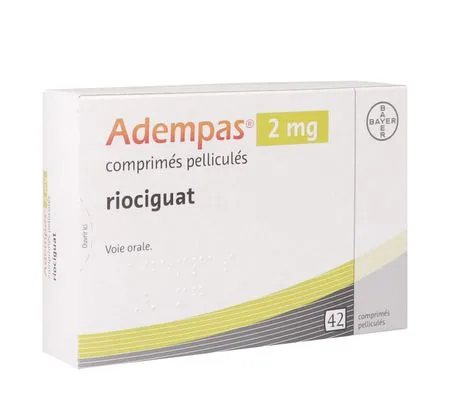
Prices and discounts are reserved for client pharmacies.

Prices and discounts are reserved for client pharmacies.

Prices and discounts are reserved for client pharmacies.
Prices and discounts are reserved for client pharmacies.
Prices and discounts are reserved for client pharmacies.
Prices and discounts are reserved for client pharmacies.
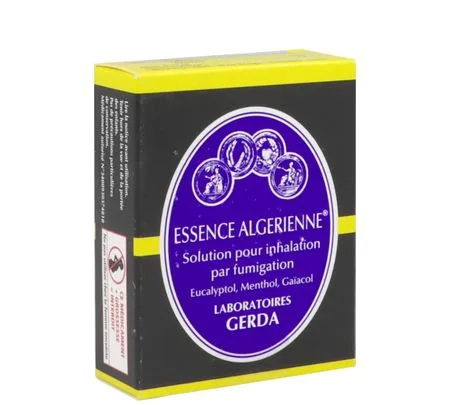

Prices and discounts are reserved for client pharmacies.
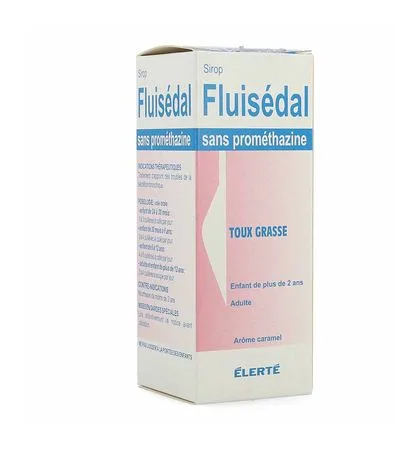
Prices and discounts are reserved for client pharmacies.
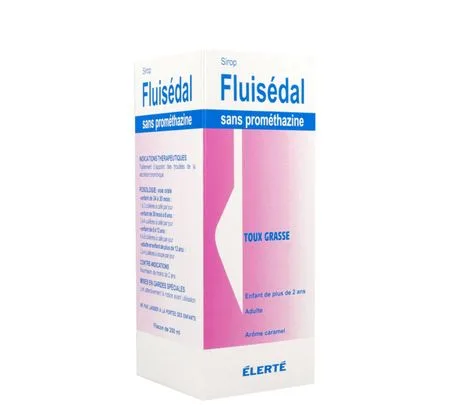
Prices and discounts are reserved for client pharmacies.
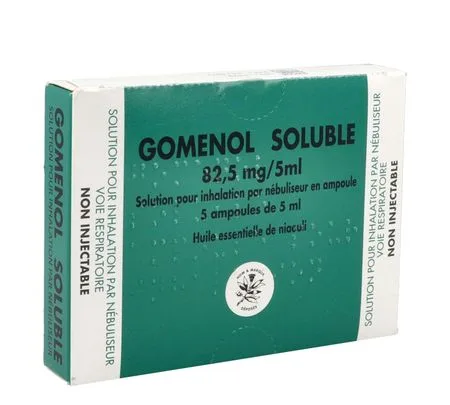

Prices and discounts are reserved for client pharmacies.

Prices and discounts are reserved for client pharmacies.
Prices and discounts are reserved for client pharmacies.
Surfactant contributes to the surface properties of pulmonary alveoli. Medicines in this field differ from bronchodilators, whose role concerns airway calibre. Their composition and intended administration belong to specialised settings. This illustrates the diversity of respiratory functions: influencing alveolar properties, the bronchi or ventilatory drive does not describe one mechanism. Alveolar surface tension is a different property from bronchial contraction or the control of ventilation. An anatomical relationship with the lungs therefore provides context but is insufficient to establish a common formulation or administration technology.
The family also encompasses medicines related to respiratory stimulation and other specific preparations. Certain cystic fibrosis approaches concern the CFTR protein and precise molecular characteristics. A genetic or protein target does not establish a universal indication across respiratory diseases. Combination medicines also retain their complete identity. Authorised context, population and product-specific features are consequently central to understanding a medicine beyond its broad relationship with respiratory care. Scientific terminology describes the target involved rather than guaranteeing a clinical result or allowing an indication to be extended to another product.
This field can involve very different routes and formats, from oral forms to specialised presentations. Inclusion in a respiratory category does not establish that a medicine is administered through a nebuliser or is compatible with an inhalation machine. Medicinal gases are medicines, while administration equipment fulfils a distinct material function. In pharmacies and professional supply settings, identifying the precise substance, any combination and the administration route explains a reference’s purpose without assuming shared availability, use or equipment across the whole family. The complete product information remains the appropriate context for those particular characteristics.
No. The respiratory field can include oral forms and other specialised routes. The organ concerned and the administration route are separate pieces of information.
No. The molecular target differs. Individual product information specifies the relevant contexts and characteristics rather than equating it with a medicine acting on airway calibre.
Updated 10 November 2026
Sources and further reading