 Pfizer
ABRYSVO Powder/Solvent for Solution for Injection Vial+adapter+syringe+needle
CIP / EAN : 3400930275573
Professional product catalogue
Viral vaccines concern antigens associated with viruses and use different technologies and compositions. Live attenuated, inactivated and subunit vaccines do not describe one uniform product. Selected vaccines also use genetic information to produce an antigen. This category explains those principles and distinctions in valencies, formulations and routes without equating a vaccine with an antiviral or assuming that every product directed towards one virus has the same characteristics. Target organism and pharmaceutical technology provide different information about a preparation and its documented identity.
36 products
PfizerCIP / EAN : 3400930275573
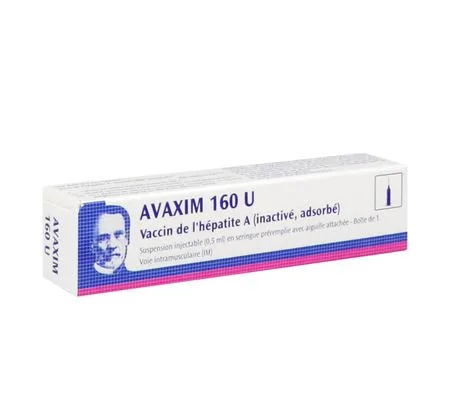
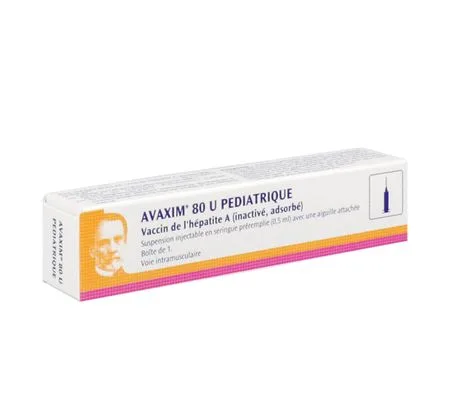
 Sanofi Winthrop Industrie
CIP / EAN : 3400935677242
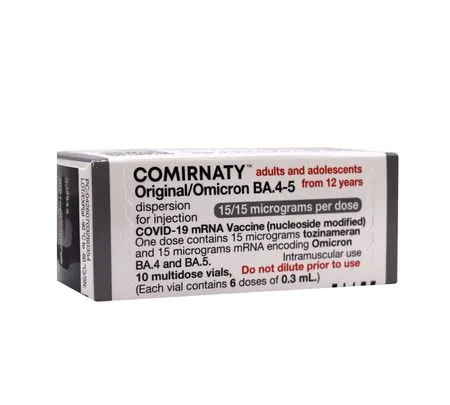 Pfizer
CIP / EAN : 3400928099600
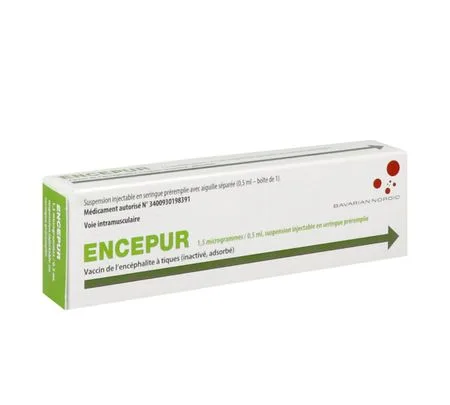
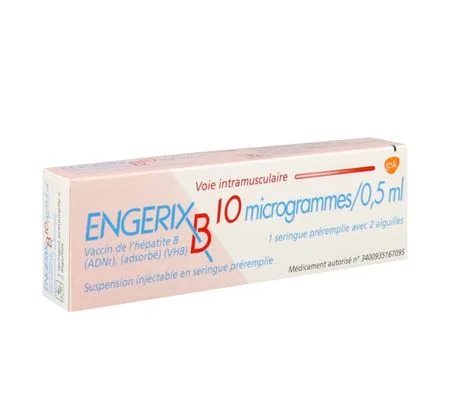
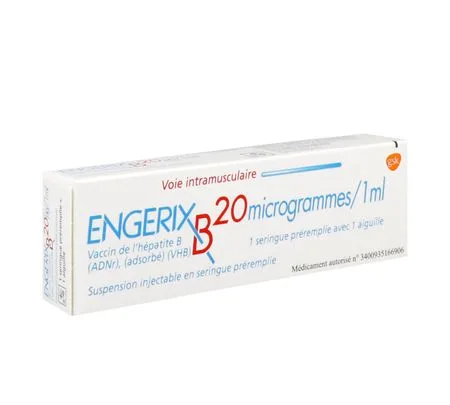
 GlaxoSmithKline
CIP / EAN : 3400935166906
CIP / EAN : 3400930304716
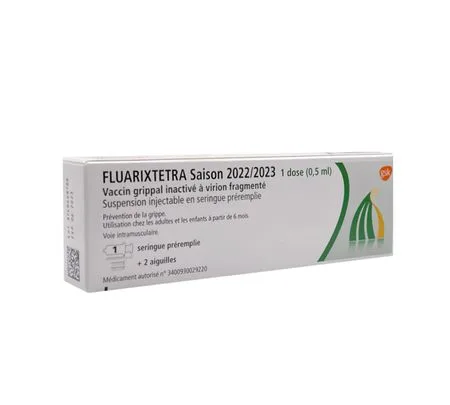 GlaxoSmithKline
CIP / EAN : 3400930029220
CIP / EAN : 3400930304686
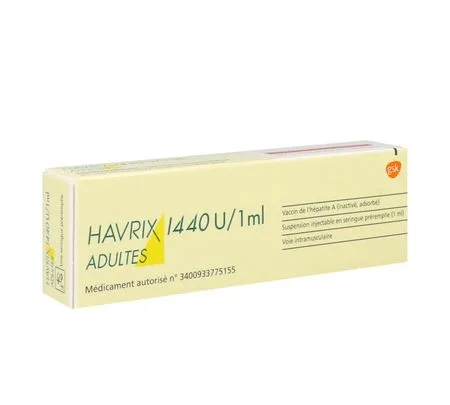 GlaxoSmithKline
CIP / EAN : 3400933775155
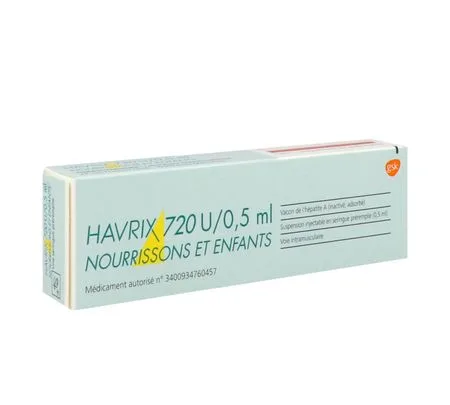
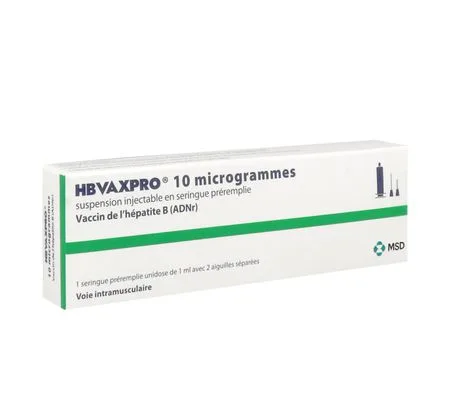
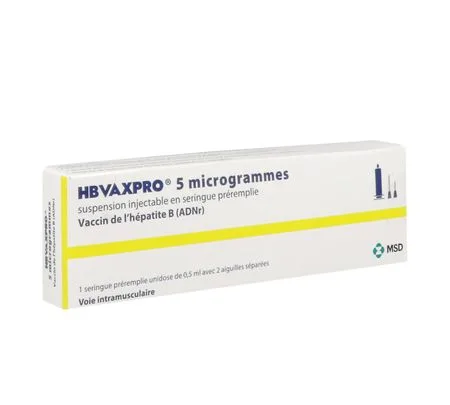
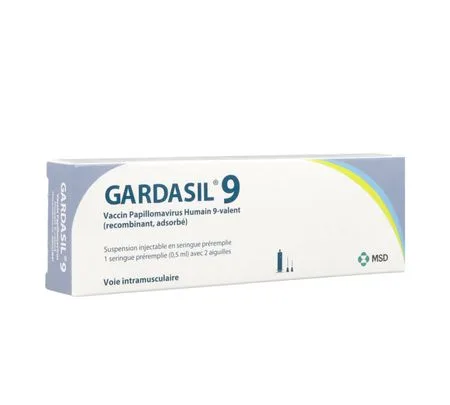
 MSD France
CIP / EAN : 3400936924291
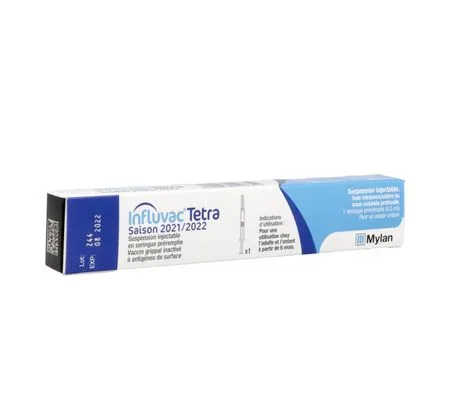
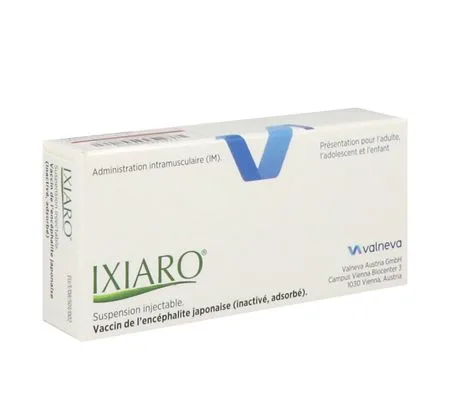
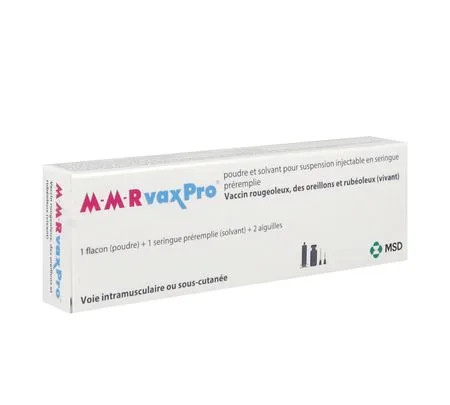
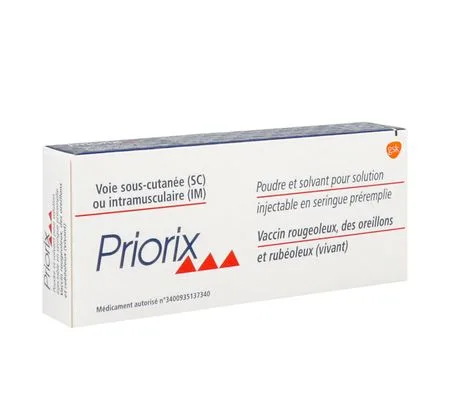
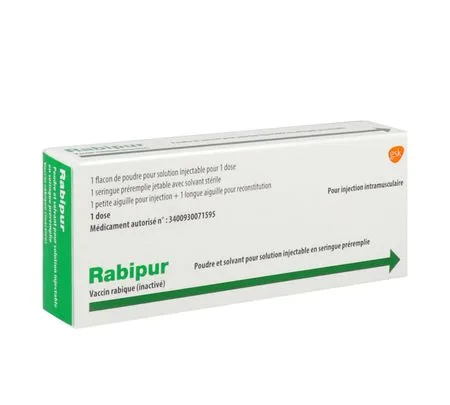
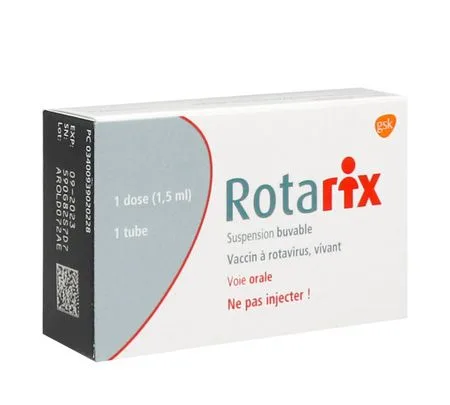 GlaxoSmithKline
CIP / EAN : 3400939020228
An antigen is an element recognised by the immune system. In vaccination it participates in a specific response and immune memory mechanisms. That principle differs from an antiviral directed at a stage of viral multiplication. The disease or virus name alone does not define the technology used in a preparation. Antibodies, immune cells and their responses must also not be reduced to one uniform property of every vaccine or an individual promise of protection. The antigen provides a specific biological target while the complete preparation retains its own pharmaceutical characteristics.
Live attenuated and inactivated vaccines differ in the nature of their preparation. Subunit vaccines contain selected antigenic components, while other approaches use messenger RNA, for example, to produce an antigen. These examples describe technological principles rather than a list of products assumed to be present in the catalogue. Adjuvants and excipients have functions different from antigens. Viral alone therefore does not establish the components, conditions of use or storage profile of a particular medicinal product, even when another vaccine concerns the same infectious agent or disease.
A vaccine can combine several antigens or viral types according to composition. Combinations against several diseases and preparations targeting several types of one agent cannot be described by a number alone. For selected vaccines, strain composition can change according to seasonal recommendations and then contributes to the identity of the relevant formulation. Injectable, oral and nasal presentations have product-specific characteristics. A vial, prefilled syringe or powder with solvent does not automatically identify the same route or preparation state. Complete composition and presentation give those familiar packaging terms their precise pharmaceutical meaning.
No. A vaccine involves a specific immune response, while an antiviral targets virus-related mechanisms. Their principles and families differ.
No. Technology, antigens or strains, valencies and presentation contribute to identity. Different preparations can concern the same viral field.
Updated 10 November 2026
Sources and further reading