 Pfizer
ABRYSVO Powder/Solvent for Solution for Injection Vial+adapter+syringe+needle
CIP / EAN : 3400930275573
Professional product catalogue
Vaccines are medicines based on immune recognition of antigens and mechanisms of specific response. Viral, bacterial and combination preparations differ in components and technologies. Live attenuated, inactivated, subunit, toxoid and conjugate antigen describe distinct concepts. This category explains those principles, valencies and pharmaceutical forms without confusing vaccination, anti-infective treatment and administration of antibodies. It also avoids attributing uniform characteristics to every vaccine product, since target, antigen nature, formulation and complete presentation together establish the particular pharmaceutical identity of a preparation.
71 products
PfizerCIP / EAN : 3400930275573
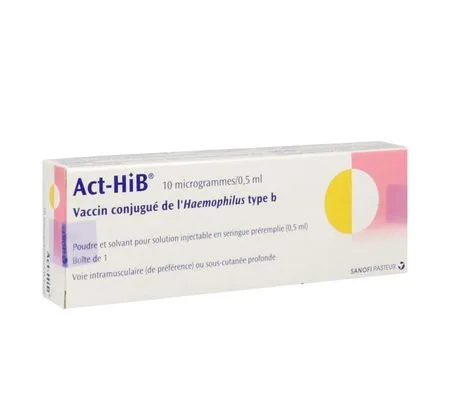
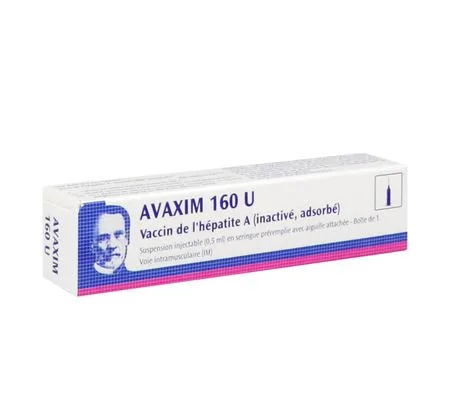
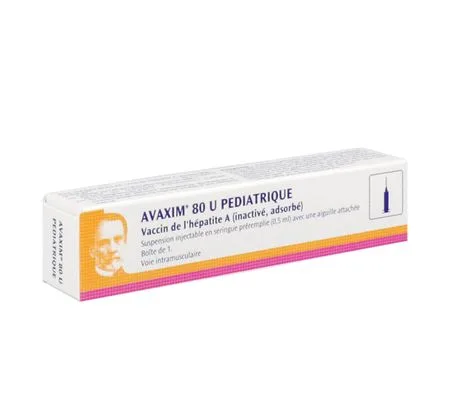
 Sanofi Winthrop Industrie
CIP / EAN : 3400935677242
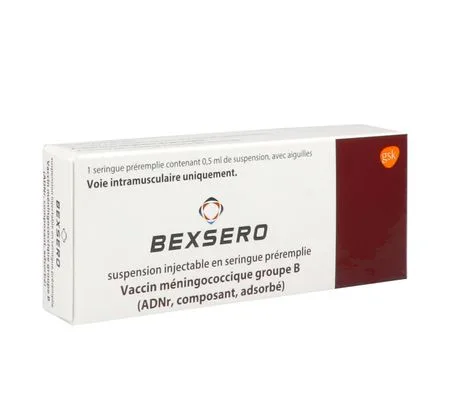 Sanofi Winthrop Industrie
CIP / EAN : 3400930268636
Sanofi Winthrop IndustrieCIP / EAN : 3400930268599
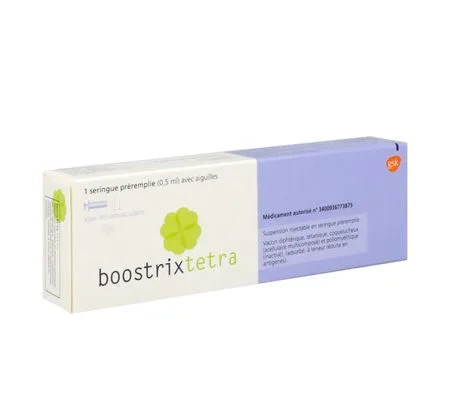
 GlaxoSmithKline
CIP / EAN : 3400936773875
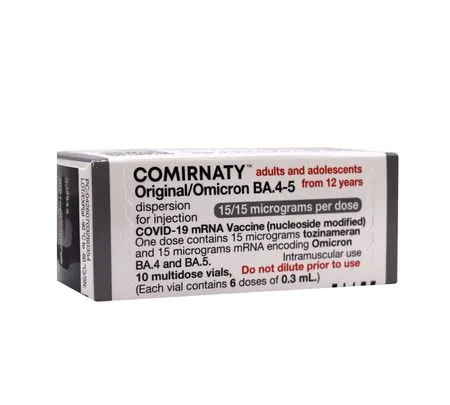 Pfizer
CIP / EAN : 3400928099600
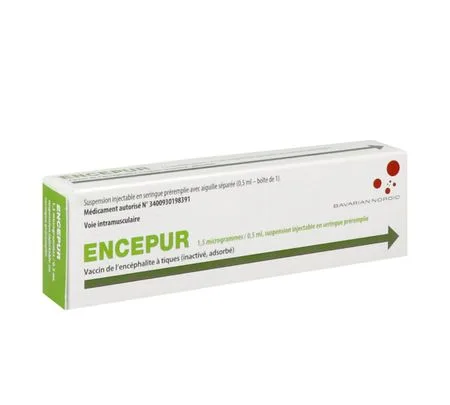
 MSD France
CIP / EAN : 3400930328613
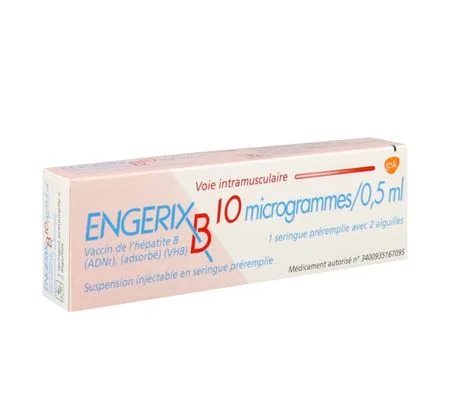
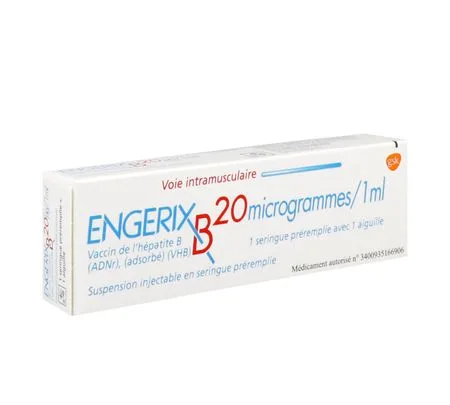 GlaxoSmithKline
CIP / EAN : 3400935166906
CIP / EAN : 3400930304716
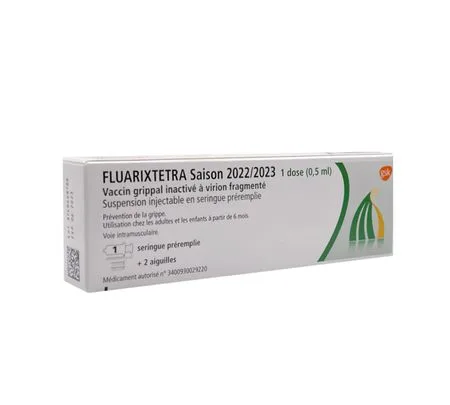 GlaxoSmithKline
CIP / EAN : 3400930029220
CIP / EAN : 3400930304686
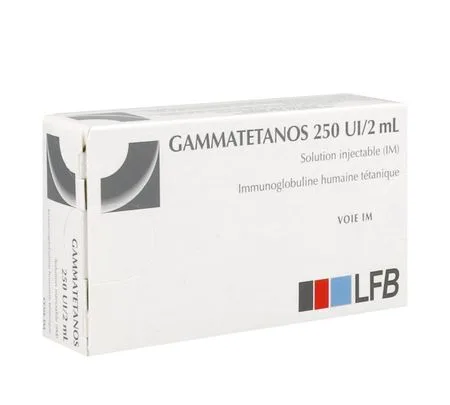
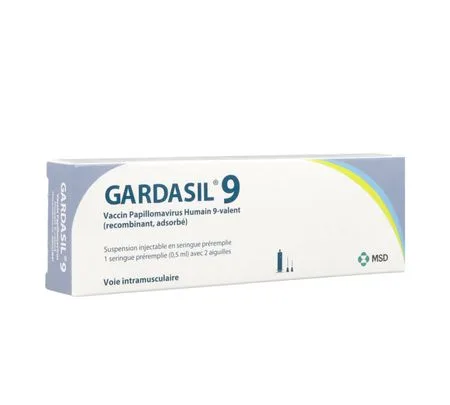
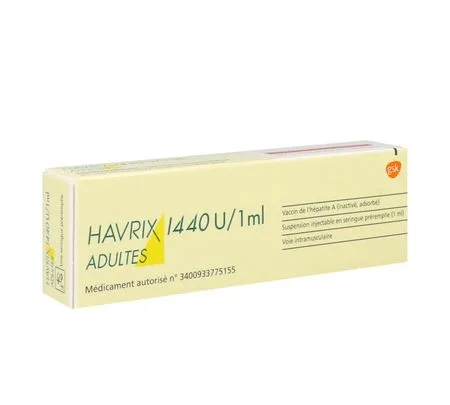 GlaxoSmithKline
CIP / EAN : 3400933775155
An antigen is recognised by the immune system and participates in a specific response. Immune memory is part of the mechanisms explaining vaccination. This differs from antibiotics, antivirals and antiparasitics directed at agents or their biological processes. It also differs from administering antibodies that have already been produced, which involves another immunological principle. A disease name therefore does not equate every preparation associated with its prevention or management. Composition and product nature remain essential, particularly where the same infectious field includes vaccines, antibody products and medicines with different molecular targets or documented purposes.
Vaccines directed towards viral agents can use live attenuated or inactivated preparations, selected components and other technological approaches depending on the product. Messenger RNA preparations illustrate a principle different from an attenuated virus. Antigens, adjuvants and excipients have distinct formulation functions. In selected fields such as influenza, strain composition can change according to seasonal recommendations. This information belongs to the identity of the relevant formulation and cannot be assumed from a vaccine family name or older packaging. Technology and infectious target consequently provide complementary descriptions rather than one uniform set of product characteristics.
Bacterial antigens can originate from selected components or products such as toxins modified into toxoids. Capsular polysaccharides provide another antigen type. In a conjugate preparation, selected antigens are linked to a carrier protein. This does not automatically mean combination vaccine. Serotypes and valency count describe compositional dimensions that need their proper context. A higher number is not a universal comparison scale between vaccines targeting different agents or indications, and a bacterial target does not make a vaccine an antibiotic. These distinctions give common scientific descriptions a more precise pharmaceutical meaning.
A combination vaccine brings several vaccine components into one preparation, whereas co-administration preserves separate products. Combinations can be viral or contain components of different natures. Injectable, oral and nasal presentations have vaccine-specific routes. Powder with solvent, solution and prefilled syringe do not describe one preparation state. Containers, volumes and units remain distinct from antigenic valencies. For professionals, these characteristics explain a medicine without defining an individual immunisation schedule or generalising the storage or preparation of one product to every vaccine. Complete composition remains meaningful alongside the familiar name of an infectious disease or vaccine family.
No. Combination concerns vaccine components brought together; conjugation describes a particular antigen structure, notably a polysaccharide linked to a protein.
No. It concerns a compositional dimension. Route and dosage form are defined for the particular medicine, not inferred from antigen count.
Updated 10 November 2026
Sources and further reading