 Havea Pharma
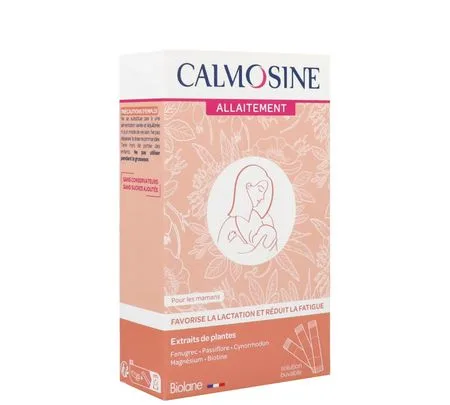
CALMOSINE BREASTFEEDING S oral natural plant extracts 14 Unit-doses/10ml
CIP / EAN : 3664391000000
Professional product catalogue
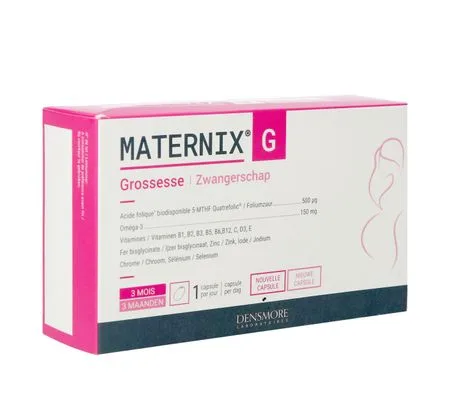
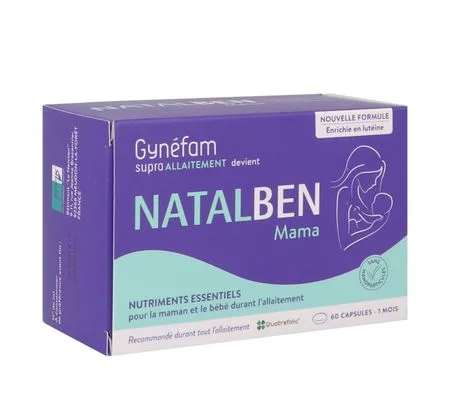
Pregnancy supplements are foods presented for a particular life stage, with varying combinations of vitamins, minerals or other ingredients. Their name establishes neither an individual need nor equivalence between formulas. Pharmacy teams compare the nutrients, quantities per stated daily portion, dosage forms and indicated populations. Appropriate supplementation belongs within pregnancy care rather than a ranking of the largest ingredient lists or a general assumption that every pregnancy requires the same combination of products.
9 products
Havea PharmaCIP / EAN : 3664391000000


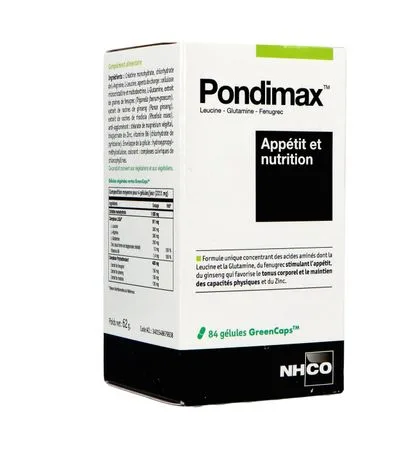
 NHCO Nutrition
CIP / EAN : 3401548679838
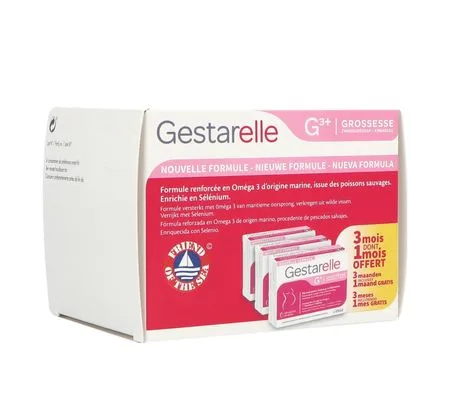
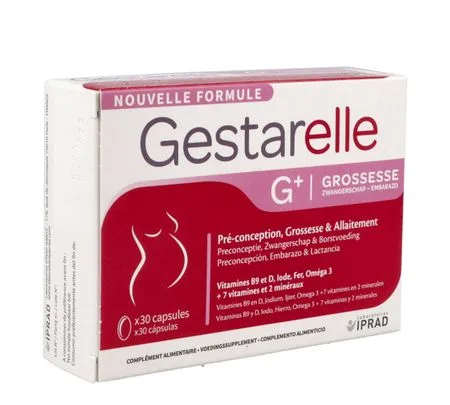
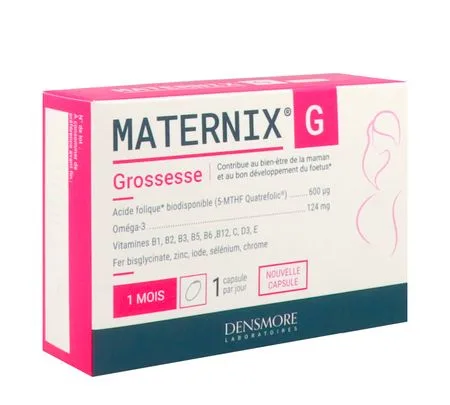
Pregnancy formulas may combine folates, iron, iodine, vitamins or fatty acids in varying amounts. Folates correspond to vitamin B9; their role in early embryonic nervous-system development explains their particular place in preconception care, as described by Assurance Maladie. Iron and iodine are other nutrients with their own intake assessments. DHA is an omega-3 fatty acid where present. These names provide different composition information, read alongside quantities per portion. The complete formula also identifies any supporting ingredients and declared allergens rather than relying on the number of nutrients highlighted on the packaging.
Preconception, pregnancy and breastfeeding describe different periods; these descriptions do not make products automatically interchangeable. Folate may also be supplied as a prescribed medicine within preconception care, which remains distinct from food-supplement status. Needs and existing intake from food or other products are considered by the professional providing care rather than inferred from a range name. A product's stated population therefore remains an essential part of its description.
Tablets, oil-filled capsules and sachets differ in supporting ingredients and practical administration features. Unit size, taste and declared allergens can help describe the presentation. Nutrient amounts need to be compared on the same basis. A pack that appears to represent a month does not establish its actual duration of use, which depends on the individual reference's instructions and stated daily portion rather than the container size alone.
Pregnancy formulas may share nutrients with general multivitamins or focused products. Anses highlights the importance of avoiding unjustified multiplication of vitamin and mineral sources during this period. Professional information therefore makes quantities and ingredients visible without proposing automatic combinations. Permitted nutritional claims do not turn these foods into treatments for a diagnosed deficiency or a pregnancy complication. The broader care plan remains the context for any individual supplementation decision.
No. Ingredient count cannot establish an individual need. Existing intake and pregnancy care guide professional assessment.
Only after putting the amounts on the same basis. A stated portion may include several units, with different quantities for each nutrient.
Updated 10 November 2026
Sources and further reading