
Professional product catalogue
Food supplements
Food supplements are foods concentrating nutrients or other substances with nutritional or physiological effects. Vitamins, minerals, fibre, botanical preparations and microorganisms have very different compositions. Understanding ingredients connects a formula with its subject, such as energy metabolism, nervous-system functions, lactose digestion or fibre properties. This distinguishes nutritional mechanisms and substance identity within a food framework, where claims remain linked to the documented conditions of the preparation. A shared theme therefore brings together different ingredient families rather than one universal substance.
Products in this category
126 products
 Havea Pharma
CALMOSINE BREASTFEEDING S oral natural plant extracts 14 Unit-doses/10ml
CIP / EAN : 3664391000000
- Havea Pharma
CALMOSINE DIGESTION BIO S soothing drinkable natural plant extracts 12Unidoses/5ml
CIP / EAN : 3664391000123













Understanding food supplements
Vitamins and minerals have specialised roles
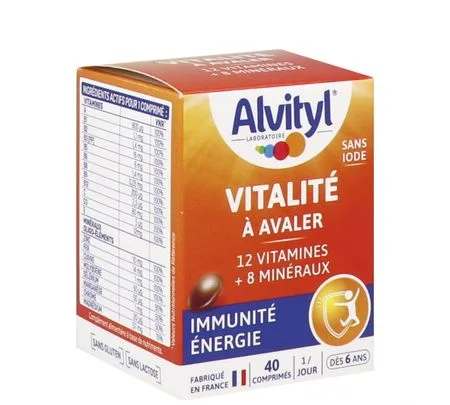
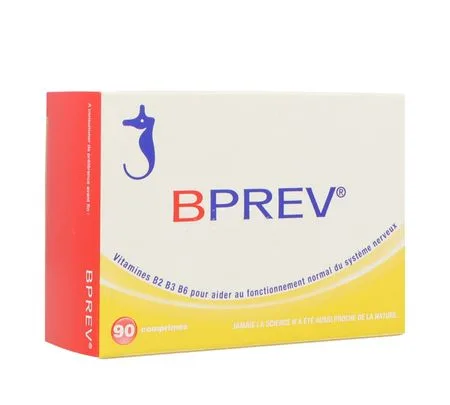
Vitamin C participates in collagen formation and absorption of dietary non-haem iron. Vitamin D is involved in using calcium and phosphorus, while vitamin B6 contributes to normal nervous-system function. Among minerals, magnesium participates in numerous enzyme reactions and iron forms part of haemoglobin. These examples show distinct physiological roles. A multinutrient combination therefore brings several functions together and differs in composition from a preparation focused on one vitamin. Nutrient identity explains the subject more precisely than the simple number of ingredients in the formula.
Fibre, microbial cultures and digestive enzymes
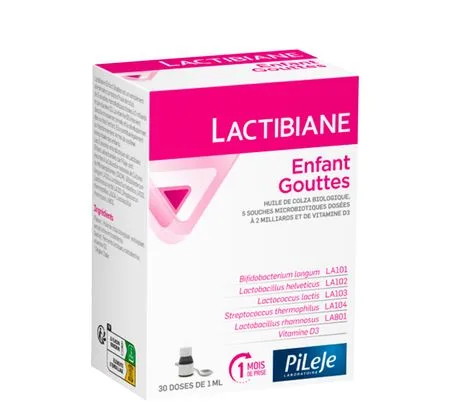
Soluble and insoluble fibres have different physical properties; fermentability describes their potential use by the microbiota. Inulin and psyllium fibre illustrate distinct ingredients. Microbial preparations concern identified genera, species and strains, with evidence specific to them. Lactase represents another family: the enzyme breaks lactose into glucose and galactose. Substrate, live organism and enzyme explain three digestive formulation principles, even where components are combined. Their roles are therefore different from one another and from the food matrix used to carry them in a capsule or powder.
Sleep and relaxation ingredients
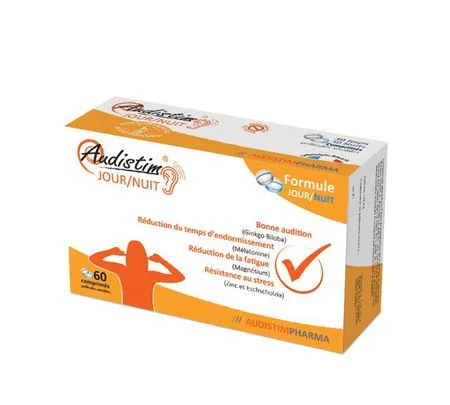
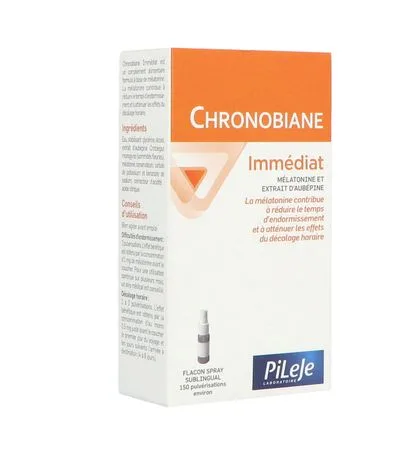
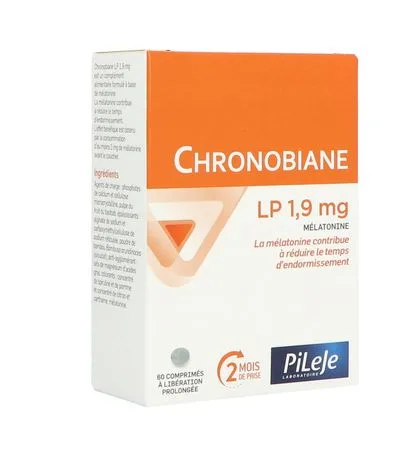
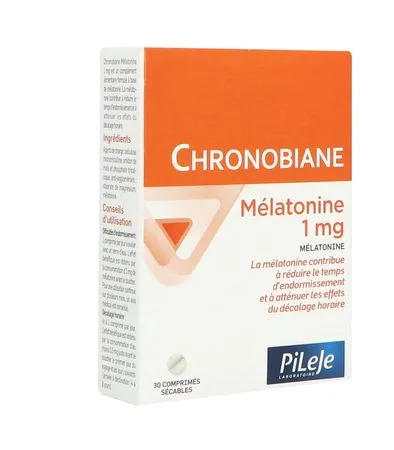
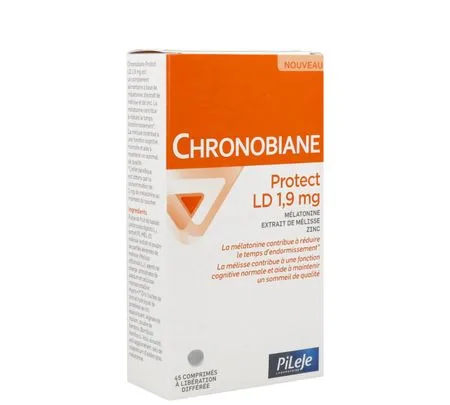
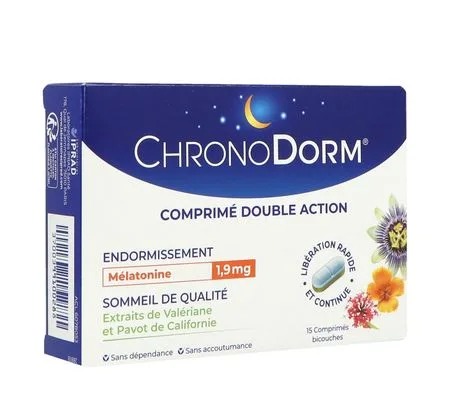
Melatonin relates to biological timing, with natural secretion influenced by the circadian cycle and light information. Valerian, passion flower and lemon balm preparations are botanical ingredients defined through species and plant part. Root powder and leaf extract have different compositions. Magnesium and vitamin B6 concern normal nutritional roles in nervous and neuromuscular functions. This diversity explains combined formulas rather than reducing them to one relaxation substance. Hormonal signalling, botanical identity and micronutrient physiology each describe a different part of the subject.
Vitality: metabolic energy and alertness
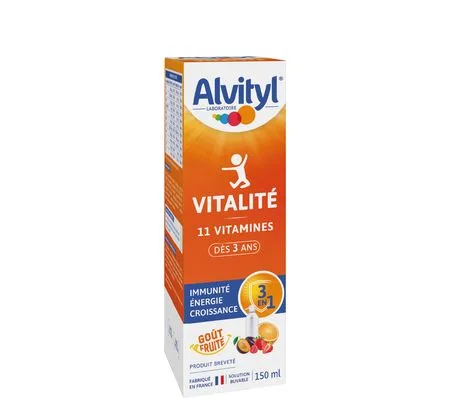
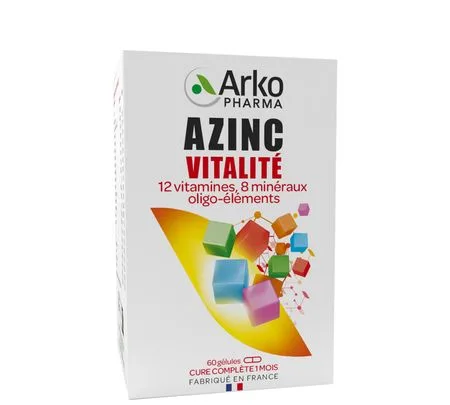
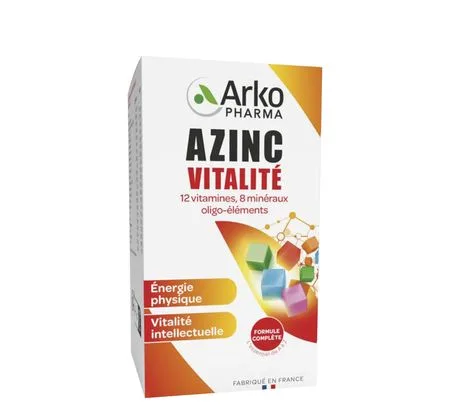
Energy metabolism uses macronutrients and involves cofactors including certain B vitamins. Vitamins participate in these reactions, while carbohydrate, fat and protein supply caloric energy. Caffeine concerns another dimension, alertness, through its action on the central nervous system. Guarana is one of its botanical sources. A caffeine-free vitamin formula and a preparation containing a caffeine-bearing extract therefore have different physiological profiles. Naming the ingredient and its documented role explains the actual nutritional content more clearly than treating the broad vitality theme as one mechanism.
Frequently asked questions
Is a food supplement a clinical nutrition food?
A supplement adds concentrated substances to the diet. Clinical nutrition foods address defined medical nutritional needs and foods for special medical purposes are used under medical supervision. Their intended purposes differ.
Why distinguish ingredients from broad product themes?
Vitality and digestive comfort can encompass several mechanisms. Identifying a vitamin, enzyme or strain explains the actual composition and documented nutritional functions of the preparation.
Updated 10 November 2026
Sources and further reading
- DGCCRF — définition et nature alimentaire des compléments
- ANSES — références nutritionnelles en vitamines et minéraux, rapport humain
- ANSES/Afssa — flore intestinale, prébiotiques, probiotiques et spécificité des souches
- Assurance Maladie — horloge circadienne, lumière et sécrétion de mélatonine
- EFSA — caféine, sources et action sur la vigilance
- Commission européenne — catégories et exigences des denrées destinées à des fins médicales spéciales