Professional product catalogue
Nausea & vomiting
Medicines for nausea and vomiting comprise several antiemetic families. Nausea is a sensation, whereas vomiting is a motor process; they often occur together but have different possible causes. This professional section presents the antiemetic field, including ATC class A04, through differences in mechanism, clinical context and pharmaceutical form. It preserves the distinction between a specific authorised indication and the broader observation that a substance has antiemetic properties, rather than treating all digestive symptoms as one interchangeable category.
Products in this category
93 products
- Effik
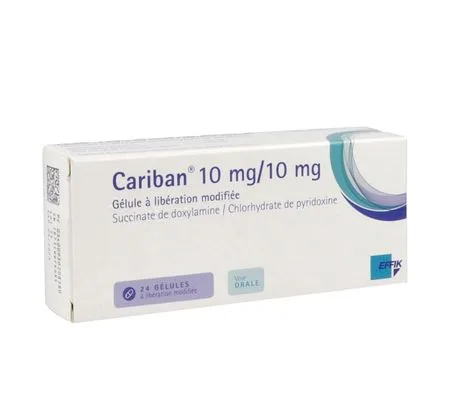
CARIBAN 10 mg/10 mg Hard Capsule Modified Release 4Blister/ PVC/PVDC/Alu/12
CIP / EAN : 3400930244128










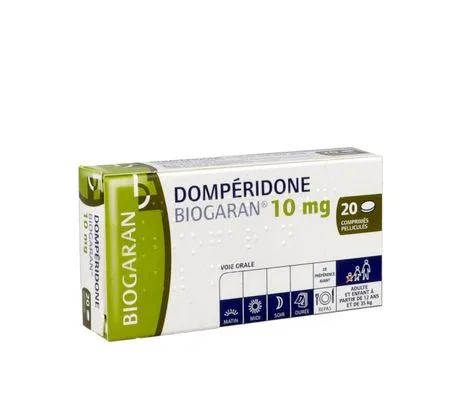
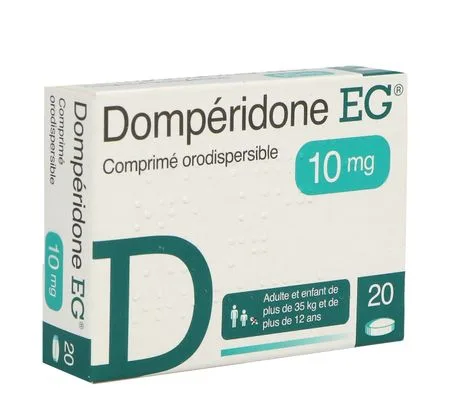

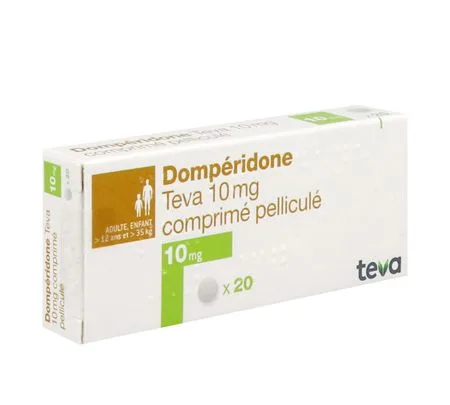

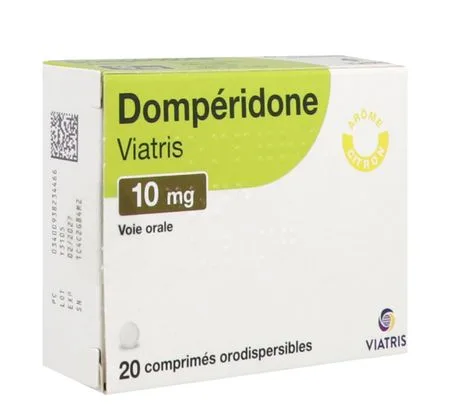


Understanding nausea & vomiting
Several biological pathways
Signals from the digestive tract and nervous system contribute to nausea and vomiting. Several mediators are involved, which helps explain the diversity of medicines. Serotonin 5-HT3 receptor antagonists and NK1 receptor antagonists are recognised families within this field. An antiemetic mechanism does not make a medicine equivalent to an antispasmodic or an acid-related treatment. Everyday language about an upset stomach can therefore obscure meaningful differences between pharmacological targets, even where products are discussed within the same broad digestive environment.
Different contexts of use
Product documentation may distinguish vomiting associated with particular anticancer treatments, surgery or other situations. Prevention and treatment of an established episode are also different concepts. Some substances with antiemetic activity belong to other pharmacological classes. The authorised context, relevant population and substance-specific restrictions are therefore central to understanding the category. A professional catalogue presentation does not, by itself, indicate a therapeutic choice or establish that a medicine described for one context has the same role in another.
Pharmaceutical forms and product interpretation
Swallowed oral preparations, orodispersible forms, liquids and injections differ in route and formulation. An orodispersible form breaks down in the mouth; the term does not establish that absorption occurs exclusively through the oral mucosa. Composition, amount per unit and preparation requirements remain features of the particular medicine. In pharmacy practice, these distinctions identify presentations precisely and place them within the documentary framework for antiemetics, whose precautions cannot be understood from the word vomiting alone or from a shared form of packaging.
Frequently asked questions
Are prevention and treatment of vomiting identical?
They are distinct contexts in medicine documentation. A product may have defined indications for one or both, according to its authorisation.
Does orodispersible mean sublingual?
No. It describes disintegration in the mouth. A sublingual preparation has a specific intended route that needs to be identified explicitly.
Updated 10 November 2026
Sources and further reading