Professional product catalogue
Gynaecology & urology medicines
Gynaecology and urology medicines concern reproductive functions, sex hormones and several urinary system functions. Hormonal contraception, local gynaecological preparations and prostate or bladder agents involve distinct mechanisms. Their diversity appears in oral, vaginal, transdermal and other documented forms. This category explains the main differences between those fields without confusing a hormonal medicine, a local anti-infective and a urinary-function agent. Shared anatomical or reproductive terminology provides a broad context while complete composition, route and formulation explain the pharmaceutical identity of each preparation.
Products in this category
1,272 products
 Viatris Santé
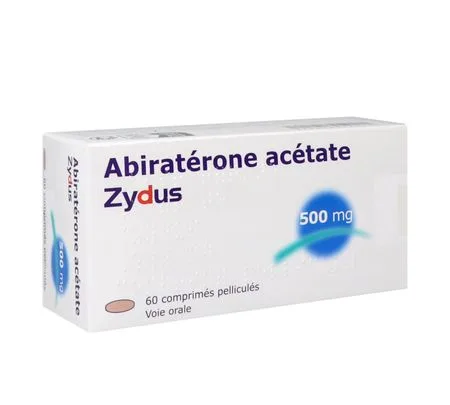
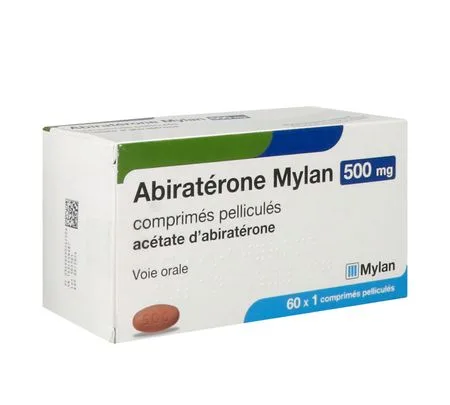
ABIRATERONE MYLAN 500 mg Film-Coated Tablet Blister Alu/PVC/PE/PVDC/60x1
CIP / EAN : 3400930242506





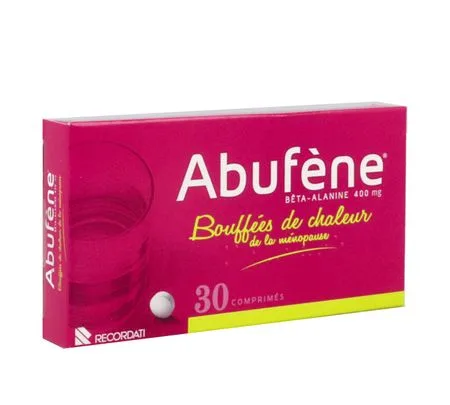

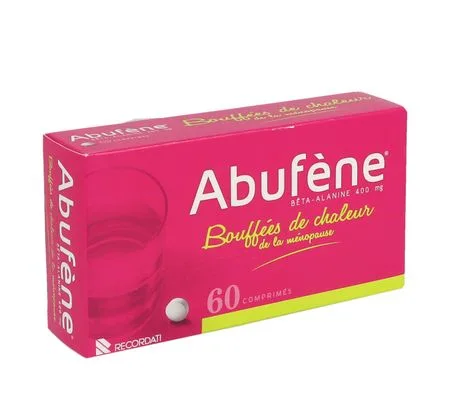
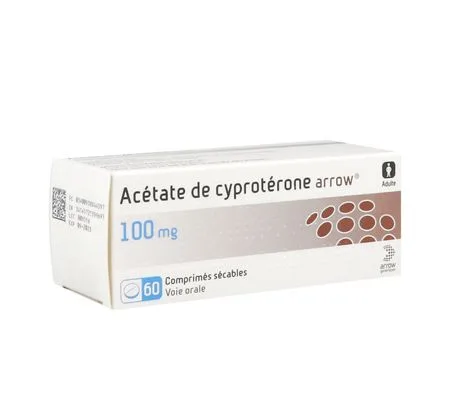

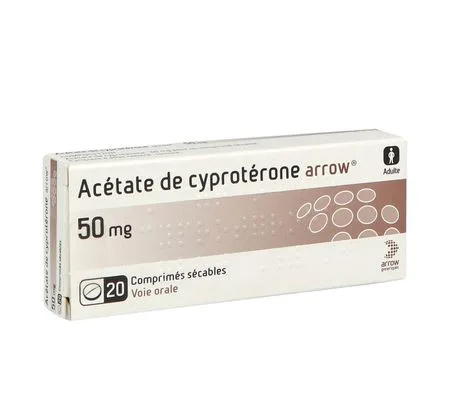









Understanding gynaecology & urology medicines
Sex hormones and reproductive functions
Oestrogens, progestogens and other hormonal agents participate in different functions. A substance used for contraception does not describe every hormonal treatment in gynaecology. Medicines associated with menopause or other reproductive settings have particular indications and formulations. Local and systemic routes also provide important distinctions. A transdermal gel is not a vaginal preparation despite a possible shared semisolid appearance. Substance, intended site and dosage form together give the presentation its pharmaceutical meaning. Hormonal terminology therefore requires more precision than the general name of an organ system or one familiar reproductive function.
Contraception and hormonal composition
Combined hormonal contraceptives contain two component types, while progestogen-only preparations have a different composition. Systemic forms, devices and local preparations must be distinguished. Emergency contraception has a particular setting and substances that differ from regular contraception. Pill remains a familiar everyday term rather than a complete medicinal product identity. Contraception and prevention of sexually transmitted infections are also different objectives; association with reproductive health does not give a medicine every such function. Complete composition and presentation explain the product more accurately than broad terminology about contraception alone.
Gynaecological preparations and intended sites
Gynaecological anti-infectives include vaginal preparations whose targets differ according to the agent concerned. Antifungal and antibacterial are not synonyms. Pessaries, vaginal capsules, vaginal tablets and creams are different forms with documented formulations. Other gynaecological medicines act on uterine functions in a different setting. Intimate hygiene products retain their own statuses rather than becoming medicines through their destination. These distinctions explain why one anatomical site can involve several medicinal families or product types. A shared substance name also does not establish that a skin preparation and a vaginal medicine have equivalent formulations or indications.
Prostate, bladder and other urological functions
Alpha blockers, five-alpha-reductase inhibitors and overactive bladder agents address different mechanisms. Some act at muscle-related receptors, while others affect hormone conversion. Erectile function forms another specific field. Urinary infection, by contrast, involves an anti-infective principle distinct from these functions. Modified-release forms and fixed combinations add further pharmaceutical characteristics. In pharmacy practice, these distinctions explain medicines without reducing every urinary complaint to one mechanism or equating medicines, devices and supplements in the same care environment. Complete identity remains meaningful beyond a broad urinary or reproductive product description.
Frequently asked questions
Are a local preparation and systemic hormone treatment equivalent?
No. Substance, route and indications are medicine-specific. Association with the same gynaecological field is insufficient to establish equivalence.
Why distinguish medicines from devices in this field?
They have different statuses and roles. A contraceptive or urinary purpose alone does not establish the pharmaceutical nature of a reference.
Updated 10 November 2026
Sources and further reading
- OMS — index ATC/DDD, G
- OMS — index ATC/DDD, G03A
- OMS — index ATC/DDD, G01
- OMS — index ATC/DDD, G02
- OMS — index ATC/DDD, G04
- Assurance Maladie — Méthodes de contraception hormonale
- Assurance Maladie — Vaginites, consultation et traitement
- Assurance Maladie — Ménopause et traitements hormonaux
- BDPM — Dutastéride et inhibition de la 5-alpha-réductase
- EMA — Mirabégron et récepteurs bêta-3 vésicaux