Professional product catalogue
Antibiotics
Antibiotics are medicines directed against bacteria, with different families and activity spectra. This professional category brings together systemic antibacterials and the antimycobacterial medicines assigned to it. Oral and injectable forms, single substances and combinations retain their own pharmaceutical identity. Distinguishing antibiotics from antivirals and antifungals is fundamental: an infectious setting alone does not determine the relevant class or make two antibiotics equivalent. Substance, presentation and documented characteristics provide more precise information than the broad word anti-infective or the name of a symptom.
Products in this category
524 products
 Viatris Santé
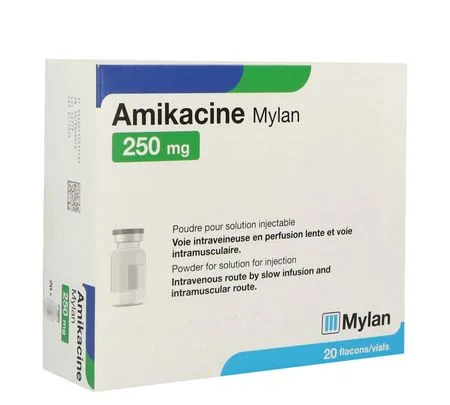
AMIKACINE VIATRIS 250 mg Powder for Injectable Solution 20Vial
CIP / EAN : 3400930033289
- Viatris Santé
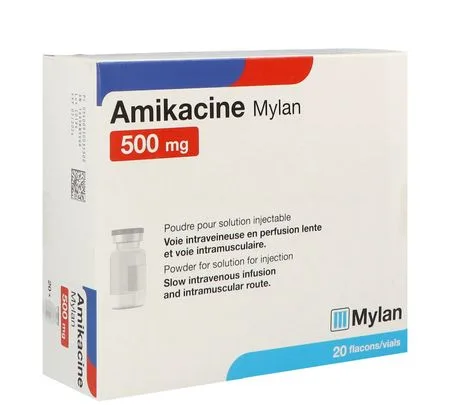
AMIKACIN VIATRIS 500 mg Powder for Solution for Injection 20Vial
CIP / EAN : 3400930033302
 Arrow Génériques
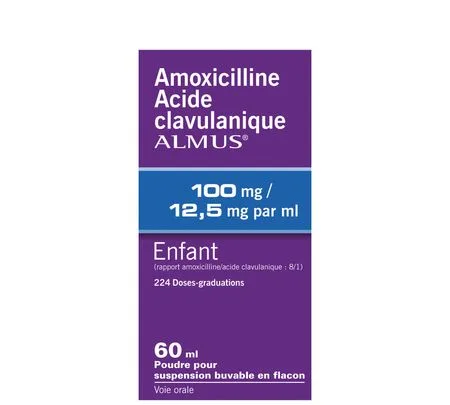
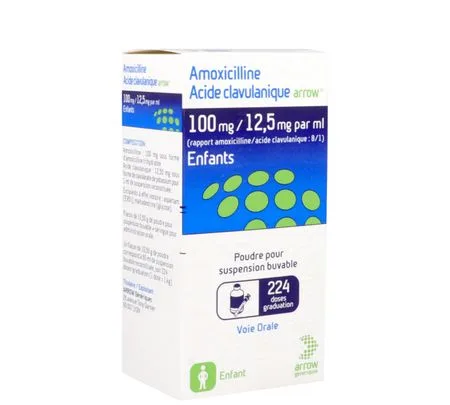
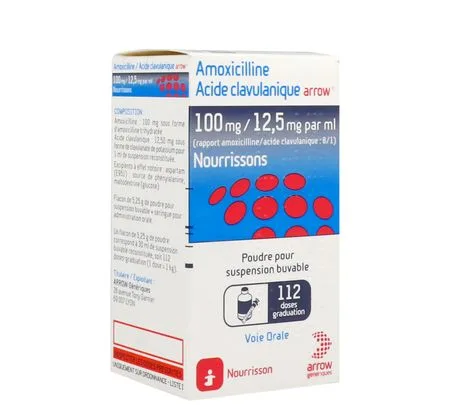
Amoxicillin Clavulanic Acid Arrow 100/12mg5 Child Powder bottle
CIP / EAN : 3400935948335
- Arrow Génériques
Amoxicillin Clavulanic Acid Arrow 100/12mg5 Infant Powder bottle
CIP / EAN : 3400935948274
- Arrow Génériques
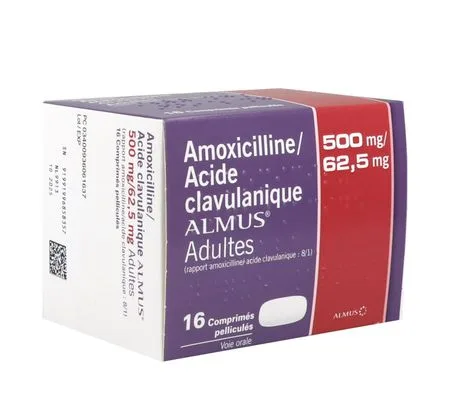
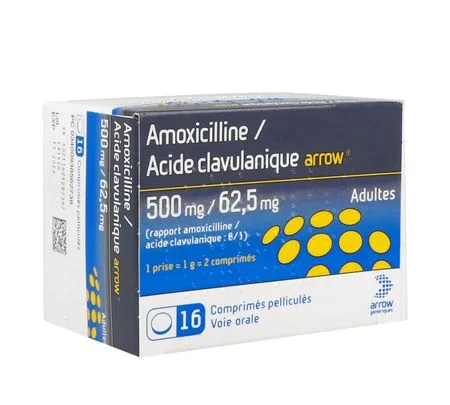
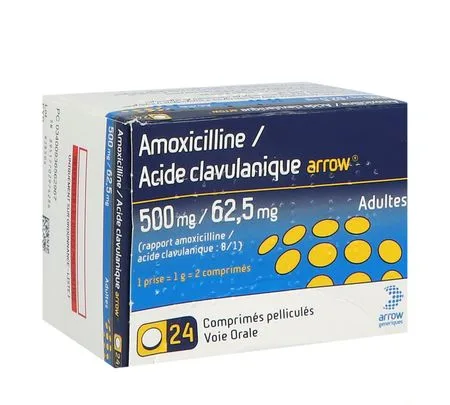
AMOXICILLIN/CLAVULANIC ACID ARROW 500 mg/62,5 mg Adult film-coated tablet blister/16
CIP / EAN : 3400936562738
- Arrow Génériques
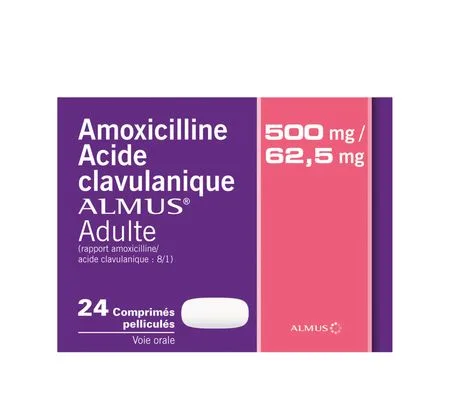
AMOXICILLIN/CLAVULANIC ACID ARROW 500 mg/62,5 mg Adult film-coated tablet blister/24
CIP / EAN : 3400936562967
 Biogaran
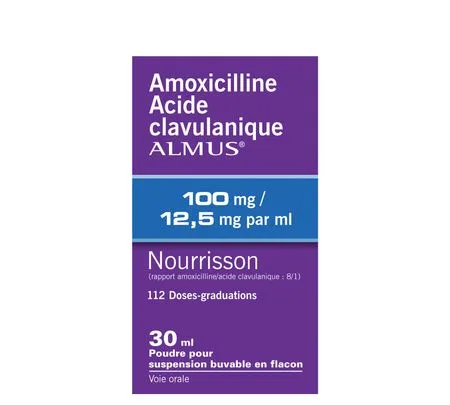
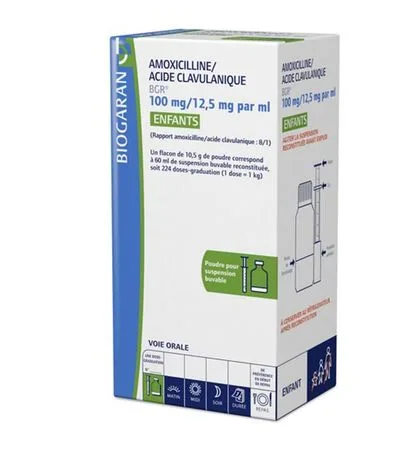
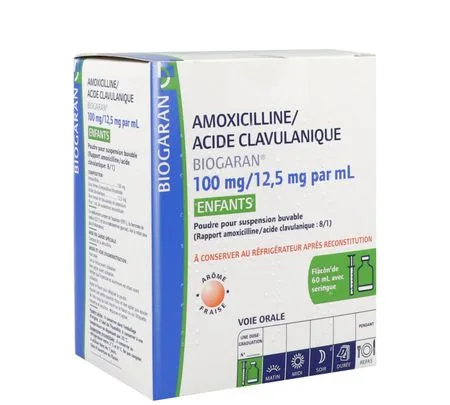
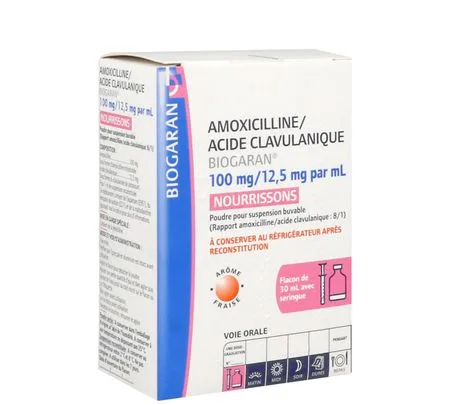
AMOXICILLIN/CLAVULANIC ACID BIOGARAN 100 mg/12,5 mg/ml Child oral suspension powder
CIP / EAN : 3400935355690
- Biogaran
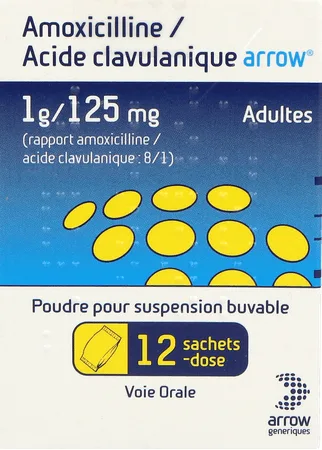
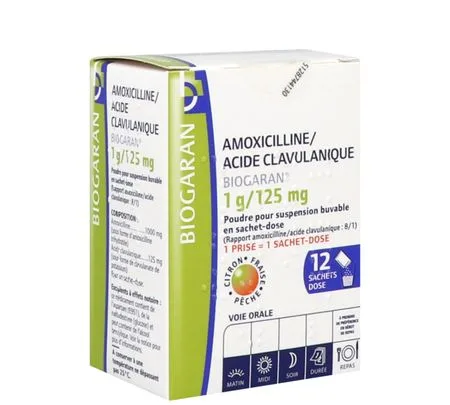
AMOXICILLIN/CLAVULANIC ACID BIOGARAN 1 g/125 mg Adult oral suspension powder 12 sachet
CIP / EAN : 3400935335012
- Biogaran
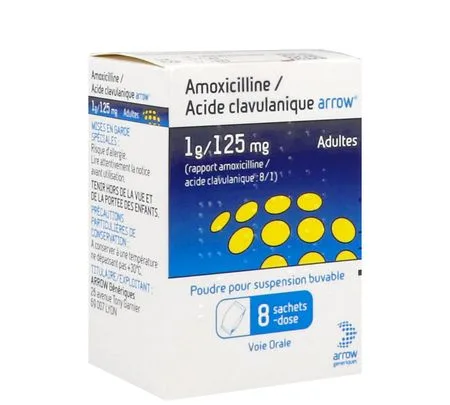
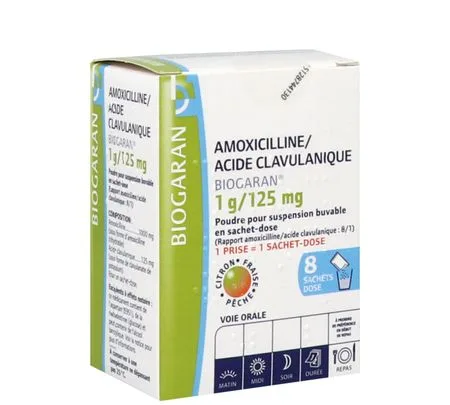
AMOXICILLIN/CLAVULANIC ACID BIOGARAN 1 g/125 mg Adult oral suspension powder 8 sachet
CIP / EAN : 3400935334879



Understanding antibiotics
Families and antibacterial spectra
Penicillins, cephalosporins, macrolides and other groups represent different pharmacological families. Spectrum describes the bacteria against which a substance has activity; it does not mean universal action against every infection. Bacterial susceptibility and antibiotic resistance are microbiological properties, rather than a person becoming resistant. A family name therefore provides context without replacing identification of the infectious agent or the information specific to the substance and presentation. Closely related terminology does not establish that medicines have identical characteristics or the same documented scope of use.
Systemic antibacterials and antimycobacterials
The scope includes systemic antibacterials in ATC family J01 and antimycobacterials in J04. The latter form a specific field relating particularly to mycobacteria. Antibiotics formulated for ocular, ear or dermatological application may belong to other families according to route. This explains why every product containing an antibacterial substance is not gathered indiscriminately in one category. Fixed combinations also require their complete composition to be considered, whether they bring together several agents or combine an antibiotic with a component having another pharmacological function.
Solid, liquid and injectable forms
Tablet, capsule, powder for oral suspension and injectable preparation describe different dosage forms. For a powder requiring reconstitution, the initial presentation and concentration after preparation convey different information. Containers, volumes and expressions of strength must retain their documented context rather than invite improvised conversions. For professional pharmacy and procurement work, these distinctions identify the precise reference. Storage information can also depend on product state, including before or after preparation, as specified in the official documentation rather than inferred from the antibiotic family alone.
Frequently asked questions
Do antibiotics act against viruses?
No. Antibiotics and antivirals have different targets. The presence of an infection alone does not determine an antibacterial class.
Why can locally applied antibiotics appear elsewhere?
Route and intended site influence the characteristics of the pharmaceutical preparation. An ocular or skin preparation retains its specific identity even when it contains an antibacterial agent.
Updated 10 November 2026
Sources and further reading