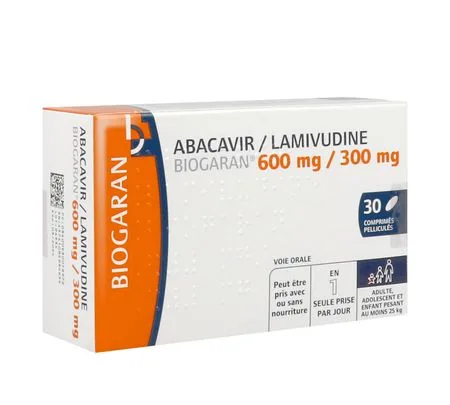
 Biogaran
ABACAVIR/LAMIVUDINE BIOGARAN 600 mg/300 mg Orodispersible tablet Blister/30
CIP / EAN : 3400930076972
Professional product catalogue
Infectious disease medicines address different agents: bacteria, viruses, fungi and parasites. Antibiotics, antivirals and antiparasitics form separate categories, while the broader scope also includes systemic antifungals. This professional category explains distinctions in targets, routes and presentations. The word infection alone does not identify a medicine: pharmacological family and complete composition remain essential. Vaccines appear in their own area, preserving the difference between agents directed at infectious organisms and products based on a specific immune response within prevention or other documented settings.
819 products
BiogaranCIP / EAN : 3400930076972
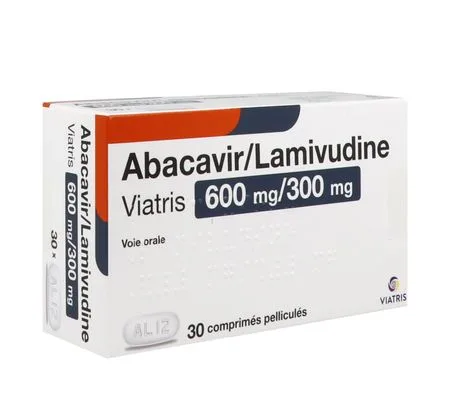
 Viatris Santé
CIP / EAN : 3400930130230
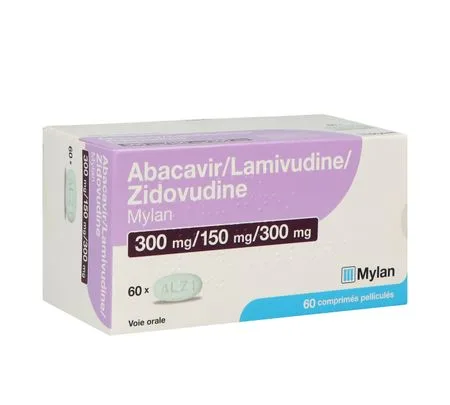
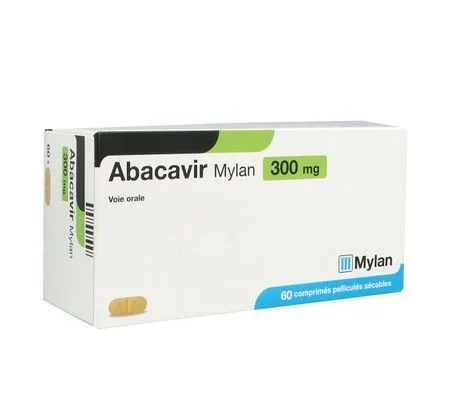 Viatris Santé
CIP / EAN : 3400930139448
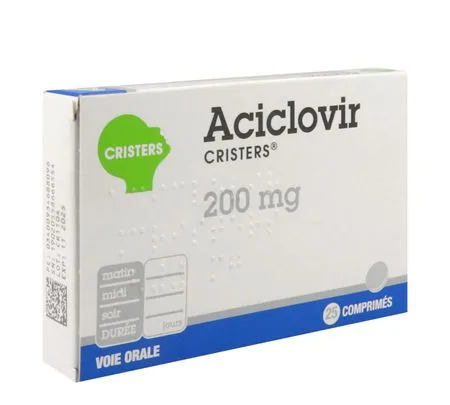
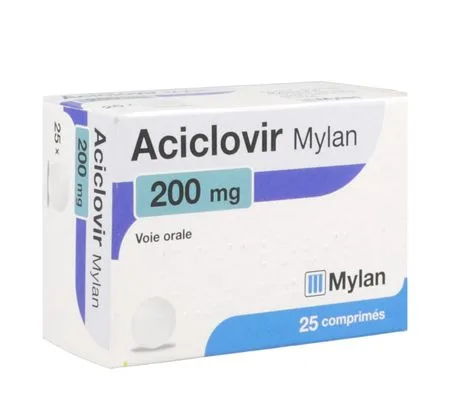
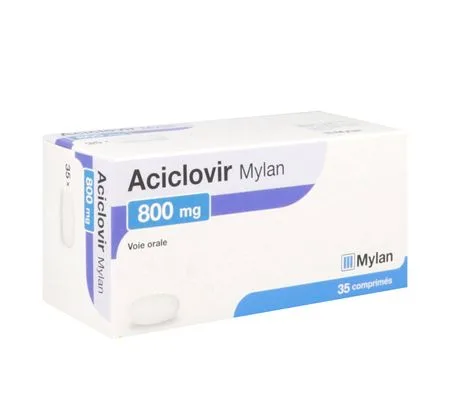
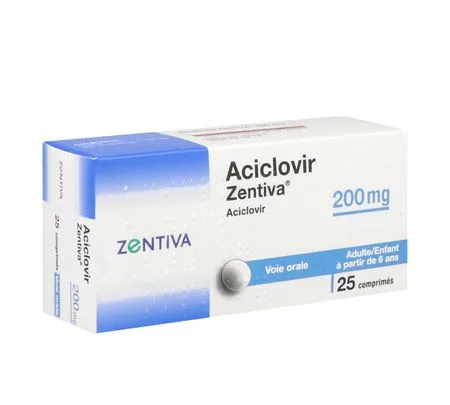
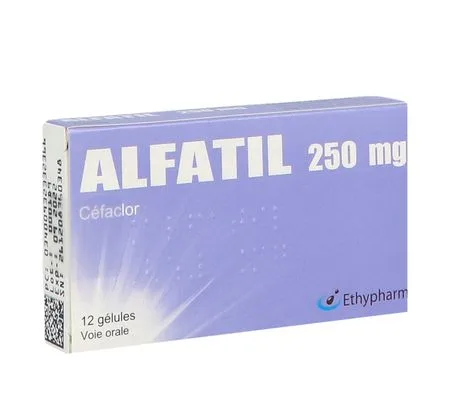
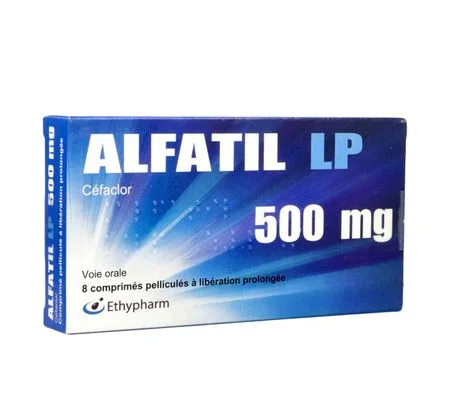
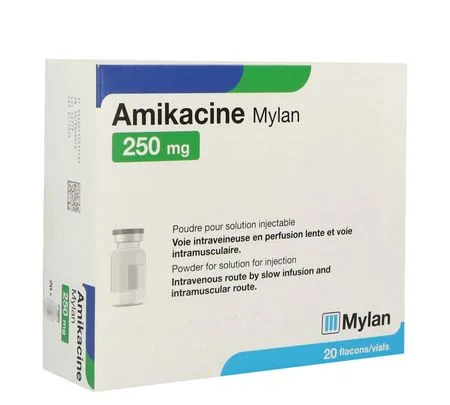 Viatris Santé
CIP / EAN : 3400930033289
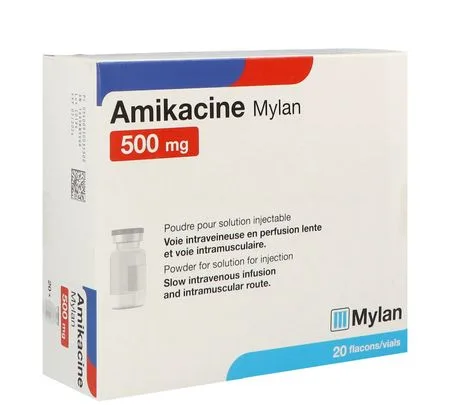 Viatris Santé
CIP / EAN : 3400930033302
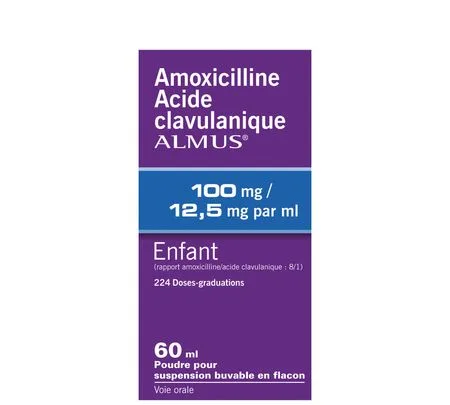
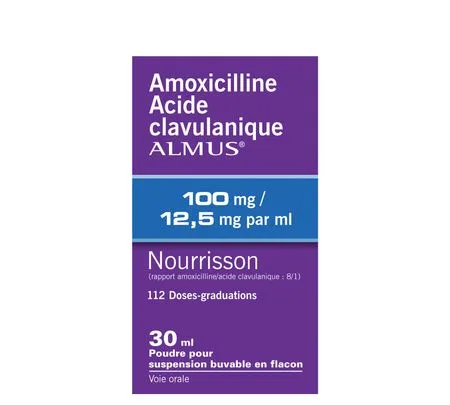
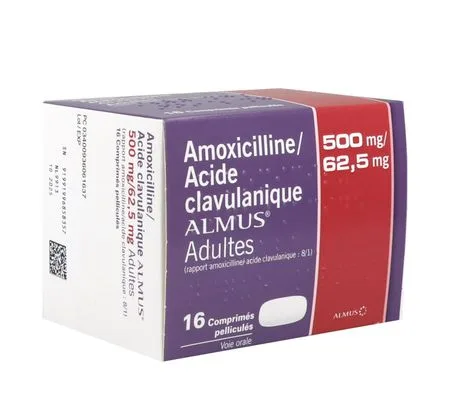
Bacteria, viruses, fungi and parasites describe different biological entities. Medicines directed against them do not share a single mechanism simply because they are called anti-infectives. Some act on bacterial structures, others on a viral life-cycle stage or a parasite-related process. This diversity explains the pharmaceutical families within infectious disease. A manifestation such as fever cannot identify the responsible agent and does not by itself establish a medicine class or an indication for a particular reference. The category therefore starts with distinct targets rather than treating infection as one uniform condition.
The antibiotic category includes the systemic antibacterials and antimycobacterials assigned to it. Families, spectra and combinations remain distinct. Resistance describes a microorganism's relationship to an agent, rather than the person's body becoming resistant. Antibacterial preparations intended for the eye, ear or skin have specific local formulations. The infectious disease field therefore supports several complementary perspectives: microbiological target, pharmacological family and pharmaceutical route. Together they explain differences without establishing equivalence between substances in the same category or turning a shared family name into a treatment selection rule.
Systemic antivirals contain agents specialised according to viruses and targeted biological stages. Fixed combinations require every component to be considered. Systemic antifungals form another field, distinct from antivirals and antibiotics directed at bacteria. They must also be distinguished from the whole range of dermatological antifungal preparations. An infectious agent can involve several anatomical sites, but indications and routes remain medicine-specific. Vaccines differ from these agents through an immunological principle involving responses to antigens rather than representing an alternative formulation of a systemic antiviral, antibacterial or antifungal product.
Antiparasitics span fields as different as protozoa, worms and selected external parasites. Local, oral and injectable preparations across infectious disease have specific characteristics. Powder intended for preparation, oral suspension and tablet do not express substance content in the same way. For pharmacy and professional procurement, substance, combination, dosage form, route and complete presentation support precise identification. Storage or preparation information remains specific to the product concerned. A family name does not establish one general rule for every reference, including products with different containers or stages of preparation.
Their biological targets and families differ. Anti-infective brings them into a broad field without making them equivalent or determining their indication.
They have a separate category. Their immunological principle and presentations are not treated as medicines directed against a bacterium, virus or parasite.
Updated 10 November 2026
Sources and further reading