Professional product catalogue
Antineoplastic medicines
Antineoplastic medicines address processes involved in cancer through very different mechanisms. Cytotoxic chemotherapy, targeted therapies and selected immunotherapies form part of this category's vocabulary. Small molecule and monoclonal antibody do not describe the same substance type. Oral and injectable forms, biological targets and complete composition explain the families without attributing a common action against every cancer to each medicine or assuming an individual outcome. A broad anticancer description provides a setting while leaving the documented role of each medicinal product specific.
Products in this category
368 products
 Viatris Santé
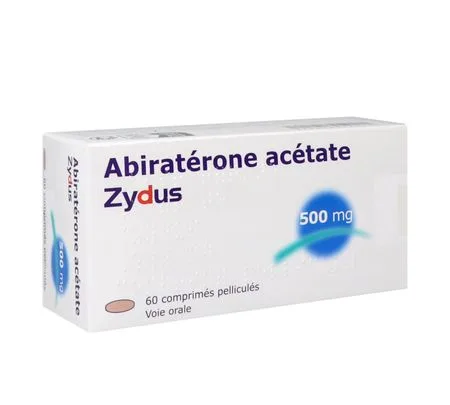
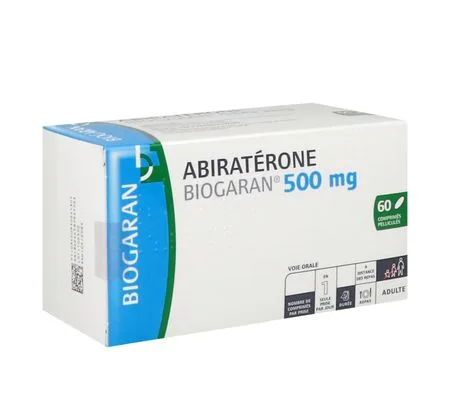
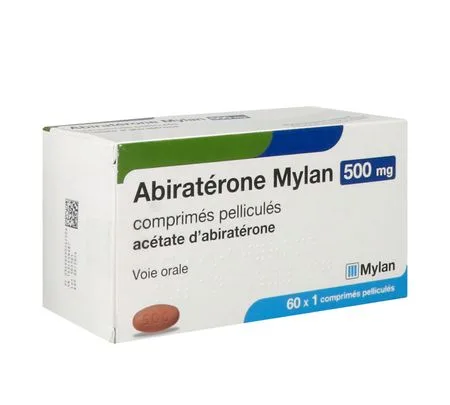
ABIRATERONE MYLAN 500 mg Film-Coated Tablet Blister Alu/PVC/PE/PVDC/60x1
CIP / EAN : 3400930242506
 Arrow Génériques
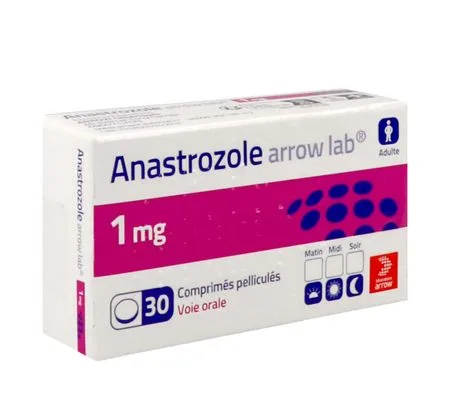
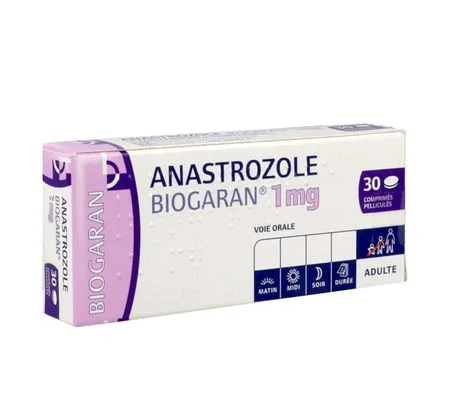
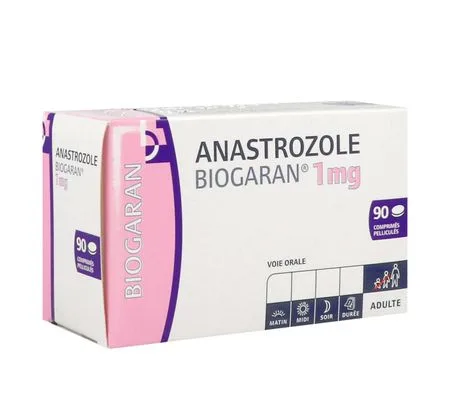
ANASTROZOLE ARROW LAB 1 mg Film-coated tablet Blister pack/30
CIP / EAN : 3400930218730



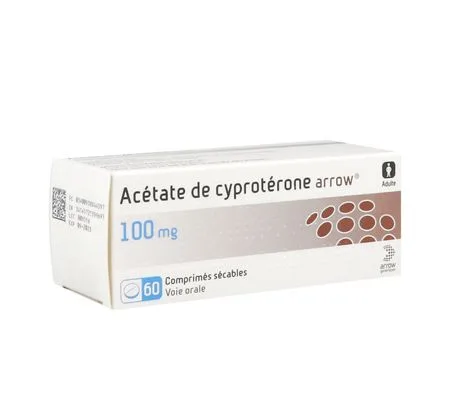
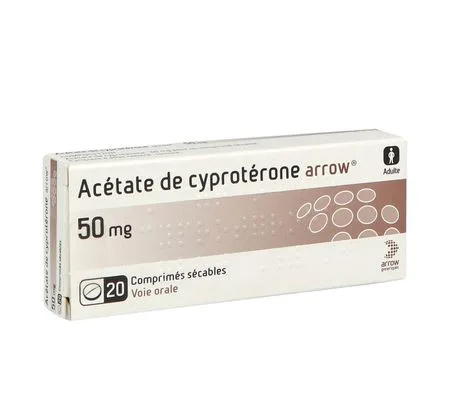
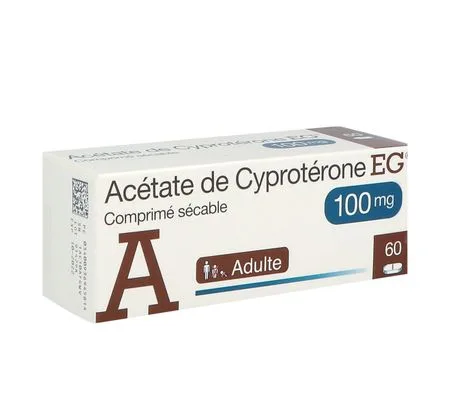
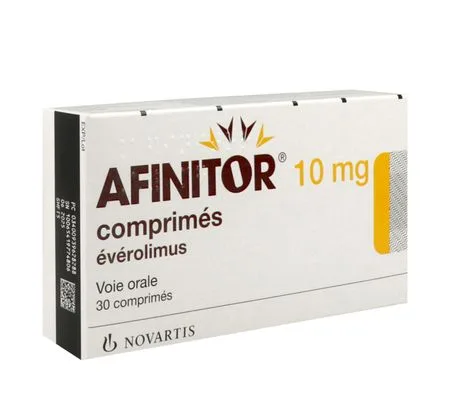

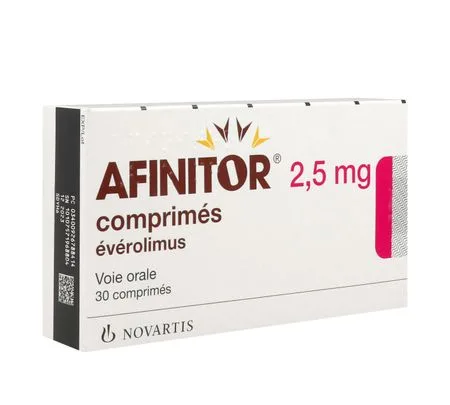
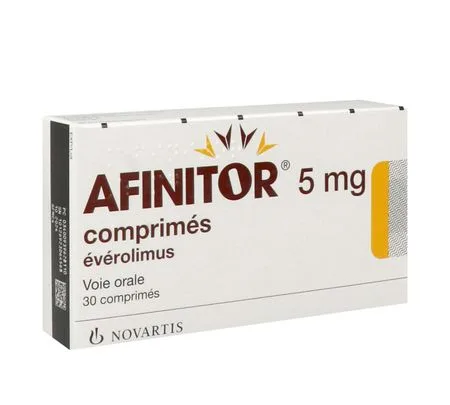
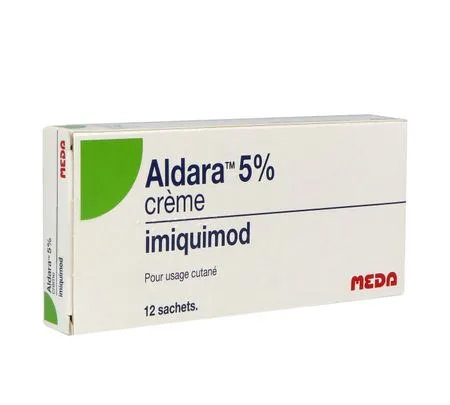
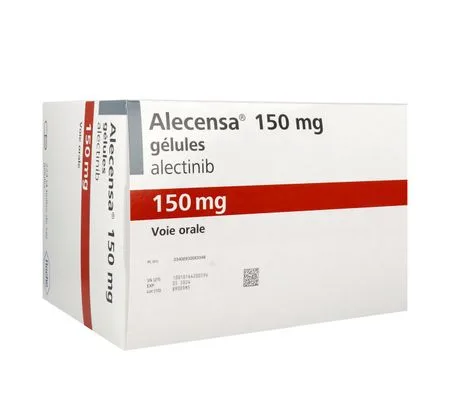

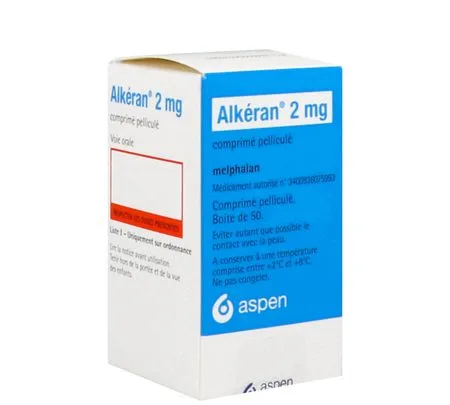

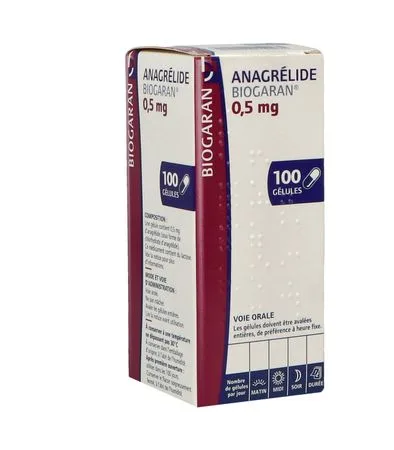
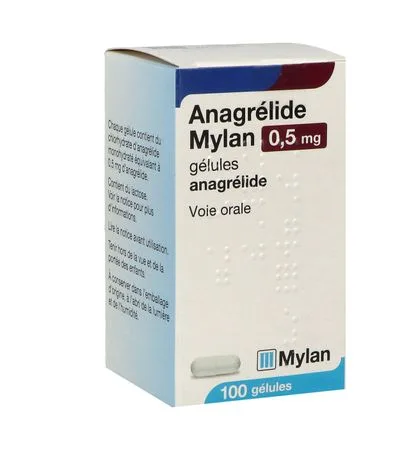


Understanding antineoplastic medicines
Cell division and cytotoxic agents
Conventional chemotherapy can act on genetic material synthesis, its structure or cell-division mechanisms, depending on the family. Antimetabolites and other cytotoxic groups are consequently not one substance under several names. Their relationship to cell multiplication explains part of their pharmacological role without implying exclusive action on tumour cells. Disease characteristics and the care setting extend beyond this mechanism alone. A category therefore does not define a protocol or a combination of medicines, and related mechanisms do not establish identical characteristics for every agent in the family.
Molecular targets and immune pathways
Targeted therapies concern identified mechanisms in cells or their environment. Kinase inhibitors and monoclonal antibodies illustrate different modalities. Selected immunotherapies act on immune-response checkpoints rather than on a classical cell-division target. Targeted does not promise an absence of adverse effects or a common indication for every product. Molecular tumour characteristics can form part of the documented context for selected agents without becoming a universal requirement for every antineoplastic. These distinctions explain why a biological target, substance type and authorised indication provide complementary information rather than interchangeable descriptions.
Pharmaceutical forms and distinct scopes
Oral tablets and capsules differ from solutions, powders or concentrates intended for injectable preparation. An oral route does not mean that a treatment is inherently lighter; route alone does not describe medicine properties. Amounts, concentrations and volumes must be understood with the complete formulation. Anticancer endocrine treatments retain a specific family distinct from the antineoplastic agents described here. Supportive-care medicines also do not become antineoplastics because they accompany an oncology pathway. Their own targets, substances and formulations remain identifiable alongside medicines directed at cancer-related processes.
Frequently asked questions
Does targeted therapy mean treatment without adverse effects?
No. The term describes a pharmacological target, not a tolerability promise. Characteristics and risks are documented for each medicine.
Is an oral anticancer simply a lighter injectable treatment?
No. Route is not a scale of potency or risk. Substance, mechanism and formulation define different characteristics.
Updated 10 November 2026
Sources and further reading