Professional product catalogue
Oncology & haematology medicines
Oncology and haematology medicines bring together related but distinct fields: antineoplastic agents, haemostasis or anaemia medicines, and immunosuppressants. Their targets range from cell multiplication to immune pathways and selected blood functions. A cytotoxic substance, coagulation factor and iron preparation do not have the same role. This category explains those families and their formulation diversity without treating every blood disorder medicine as an anticancer agent. Biological purpose and complete pharmaceutical identity provide a more precise context than broad anatomical or disease terminology alone.
Products in this category
1,226 products
 Viatris Santé
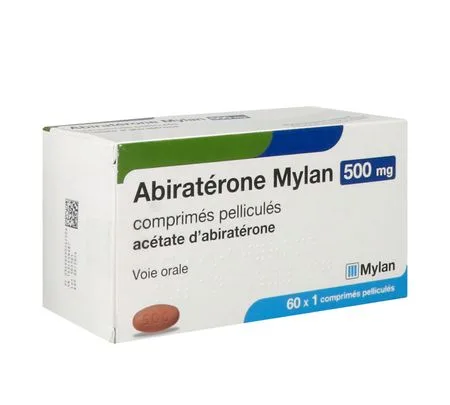
ABIRATERONE MYLAN 500 mg Film-Coated Tablet Blister Alu/PVC/PE/PVDC/60x1
CIP / EAN : 3400930242506
 Biogaran
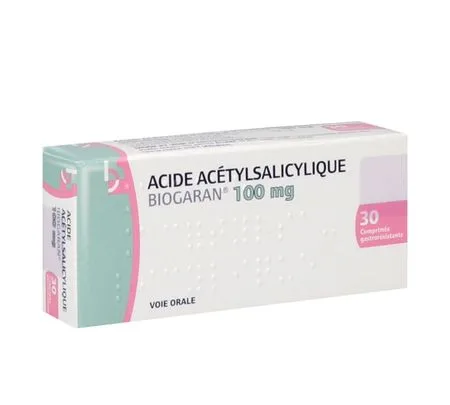
ACETYLSALICYLIC ACID BIOGARAN 100 mg gastro-resistant tablets blister/30
CIP / EAN : 3400930289129
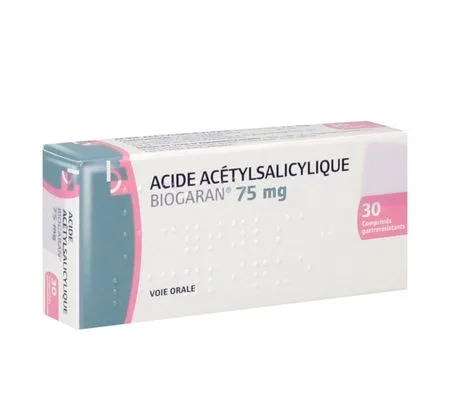
- Biogaran
ACETYLSALICYLIC ACID BIOGARAN 75 mg gastro-resistant tablets blister/30
CIP / EAN : 3400930289112
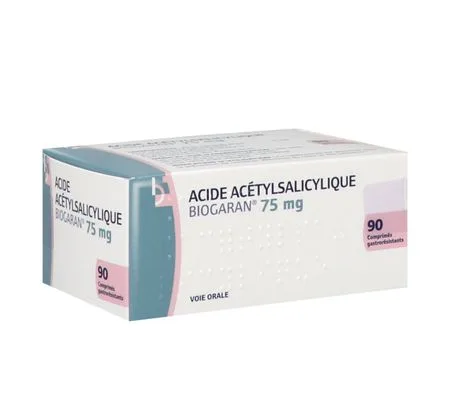
- Biogaran
ACETYLSALICYLIC ACID BIOGARAN 75 mg gastro-resistant tablets blister/90
CIP / EAN : 3400930289433
 Sandoz
SANDOZ ACETYLSALICYLIC ACID 100 mg Gastro-resistant Tablet Blister/30
CIP / EAN : 3400930322192
- Sandoz
SANDOZ ACETYLSALICYLIC ACID 100 mg Gastro-resistant Tablet Blister/90
CIP / EAN : 3400930322208



Understanding oncology & haematology medicines
Cells, blood and immune functions
Cancers, haemostatic disorders and anaemias involve different mechanisms. Blood participates in transport, defence and coagulation; anatomical proximity does not create one medicine target. Immunological agents act on further particular pathways, sometimes in non-oncological diseases. This diversity explains why oncology and haematology bring together several families without making them equivalent. A useful description identifies the cell, mediator or process concerned rather than relying on a general expression such as blood treatment or immunotherapy. These broad terms provide context but do not specify the molecular nature, documented purpose or formulation of every medicine.
Antineoplastic agents and tumour mechanisms
Cytotoxic chemotherapy, targeted therapies and selected immunotherapies form distinct fields. The former can concern genetic material or cell division, while others address molecular targets or immune pathways according to the substance. A monoclonal antibody and a small oral molecule do not describe the same medicine type. Tumour characteristics can form part of the context for selected agents without becoming a universal rule for all products. Targeted is not a tolerability promise, and the oral route does not express an assumed lower treatment intensity. Mechanism, indication and presentation therefore remain complementary distinctions.
Haemostasis and anaemia medicines
Antihaemorrhagics include agents associated with coagulation factors and other mechanisms, including fibrinolysis. They must be distinguished from anticoagulants. Antianaemics concern another function: iron, vitamin B12, folates and other agents participate in different blood-production processes according to their indications. Anaemia does not automatically mean iron deficiency or necessarily describe a cancer. Elemental amounts, compounds and activity units retain product-specific meanings rather than forming a universal comparison scale across families. These differences explain why several blood-related medicines can have very different targets and roles despite appearing in the same broad field.
Immunosuppression and pharmaceutical forms
Immunosuppressants encompass varied mechanisms, including enzymatic, cellular and mediator-directed approaches. Transplantation and inflammatory disease illustrate different settings for selected substances. Not every biological medicine is an immunosuppressant, and target matters alongside molecular type. Across the field, tablets, capsules, prefilled syringes and infusion preparations have specific characteristics. Powder with solvent is not described as a ready-to-use solution. These functional and formulation distinctions support precise understanding without defining a protocol or assuming every class is available. The complete presentation gives meaning to a substance name, quantity and route together.
Frequently asked questions
Are all anaemia medicines anticancer agents?
No. Anaemias have several causes and antianaemics have specific functions. Haematology is not synonymous with the whole field of blood cancers.
Do immunotherapy and immunosuppression mean the same action?
No. Approaches and targets vary. Product type, mechanism and indications must be distinguished rather than inferred from the word immunity alone.
Updated 10 November 2026
Sources and further reading
- OMS — index ATC/DDD, L
- OMS — index ATC/DDD, L01
- OMS — index ATC/DDD, L04
- OMS — index ATC/DDD, B02
- OMS — index ATC/DDD, B03
- Institut national du cancer — Thérapies ciblées
- Institut national du cancer — Chimiothérapies, thérapies ciblées et immunothérapies
- Assurance Maladie — Traitement de l’anémie
- HAS — Complexe prothrombique humain, facteurs de coagulation
- EMA — Tacrolimus, immunosuppression et formes pharmaceutiques
- EMA — Mycophénolate mofétil et lymphocytes