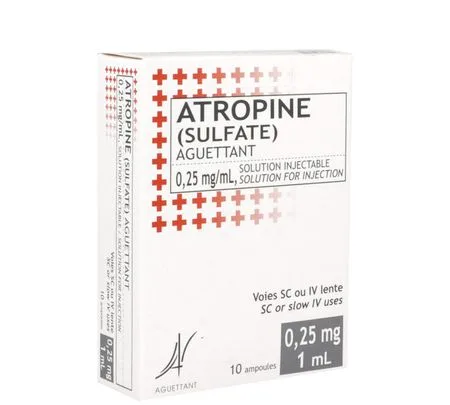
 Aguettant
ATROPINE SULFATE AGUETTANT 0,25 mg/ml solution for injection 10Ampoule/1ml
CIP / EAN : 3400937013413
Professional product catalogue
Antispasmodics concern selected smooth-muscle spasms, particularly in the digestive tract. A spasm is an involuntary contraction rather than one disease name. Substance mechanisms, combinations and pharmaceutical forms differ. Understanding action on contraction distinguishes these medicines from general analgesics, laxatives and gastric acidity agents without attributing every abdominal pain to muscle activity or one pharmacological response. The digestive setting provides context, while the substance, complete composition and intended route explain the particular characteristics of each medicinal preparation.
95 products
AguettantCIP / EAN : 3400937013413
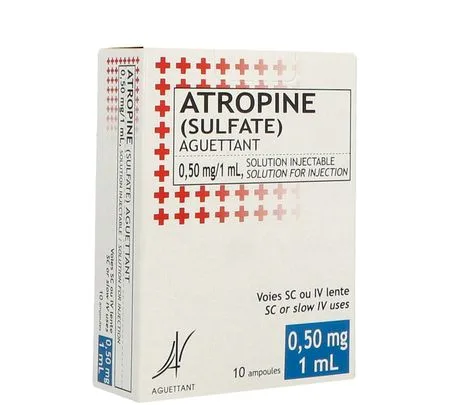 Aguettant
CIP / EAN : 3400937013642
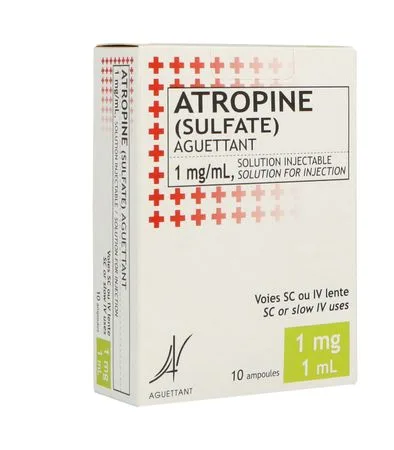 Aguettant
CIP / EAN : 3400937013871
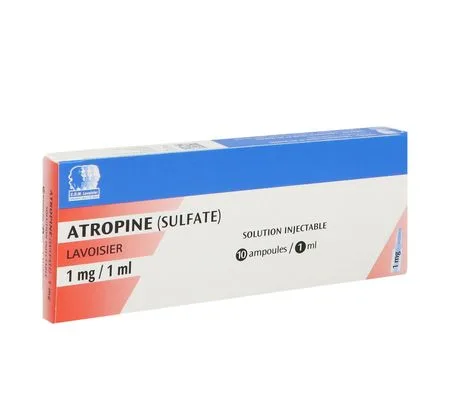
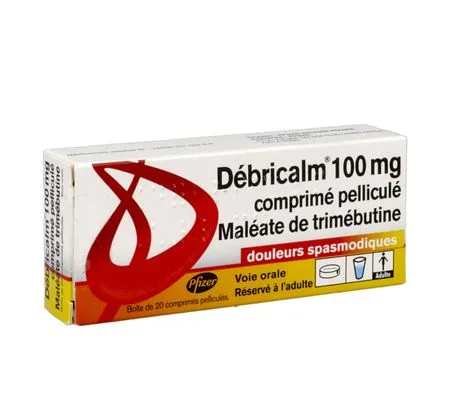
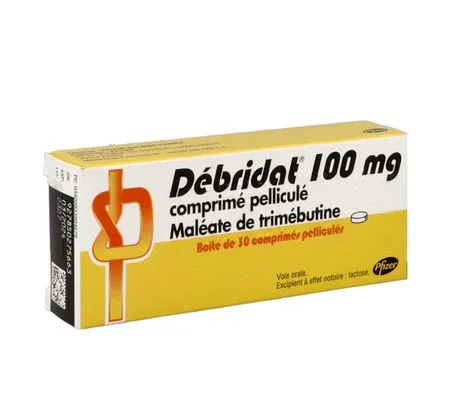
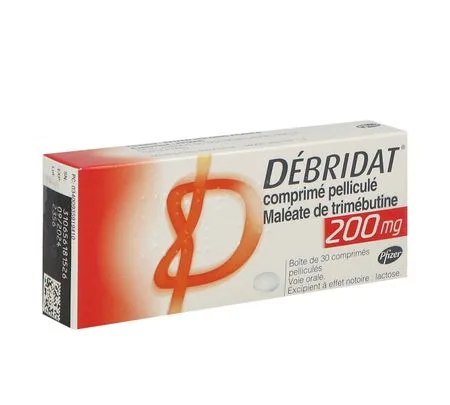
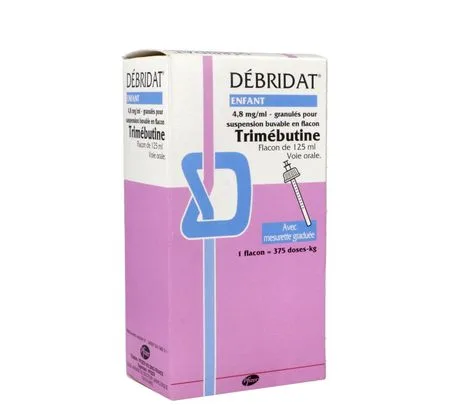
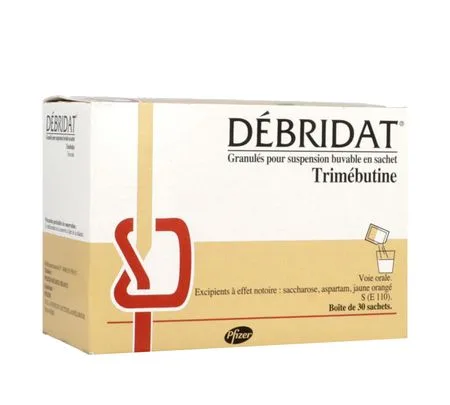
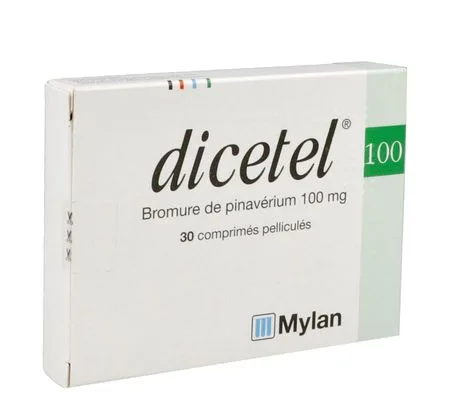
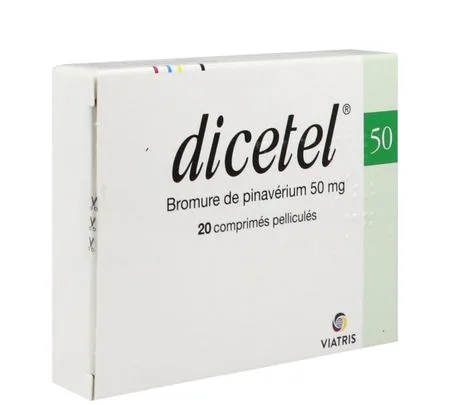
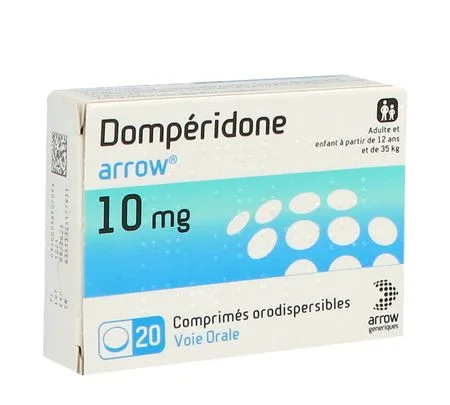
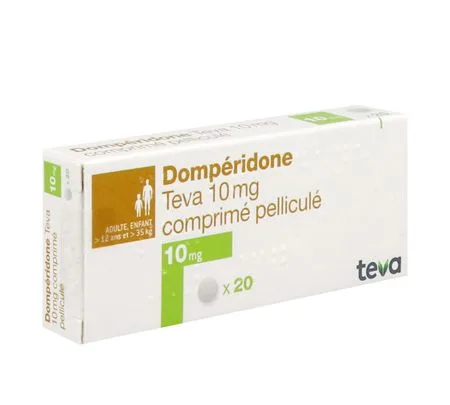
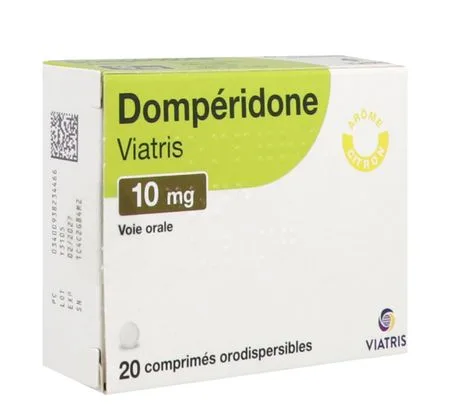
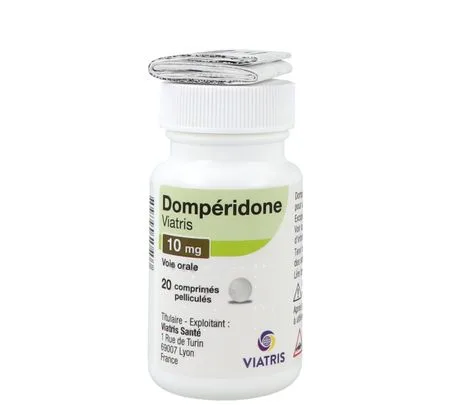
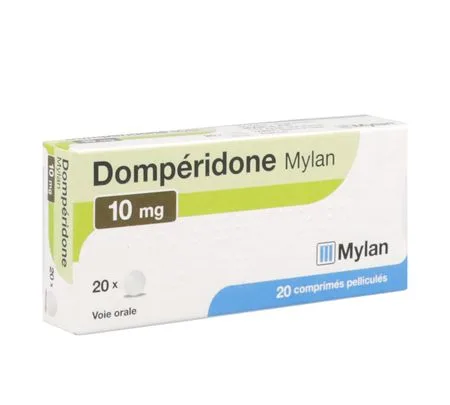
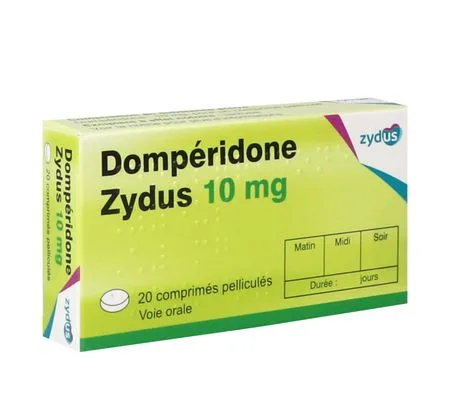
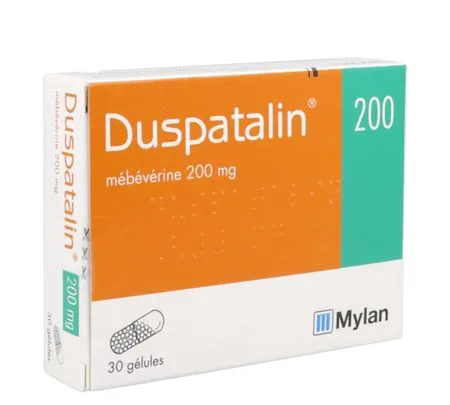
Smooth muscle participates in movement and function across several organs, including the digestive tract. Abdominal pain can accompany distension, changes in bowel function, inflammation or contraction; those processes are not identical. Antispasmodic relates to a contraction-related dimension rather than every digestive pain. The urinary tract also contains smooth muscle, but medicines for urinary frequency or incontinence have their own context. Related terminology therefore does not automatically establish the same indications. Anatomy, pharmacological action and clinical purpose provide different information rather than one universal use for every smooth-muscle agent.
Medicines in this field include different chemical families, notably anticholinergic agents and other antispasmodics. Belladonna derivatives form part of the pharmacological vocabulary without representing every substance. Selected products combine an antispasmodic with another active, including an analgesic; each component retains a distinct function. Action on spasms does not necessarily imply laxative activity or reduced acidity. Functional gastrointestinal medicines consequently form a more varied field than a list of products assumed to affect bowel function in one identical way. Complete composition explains a combination more precisely than its first familiar ingredient alone.
A form intended for dissolution or an oral lyophilisate is not described as a conventional tablet. Rectal and parenteral preparations also have particular characteristics according to the medicine. Dosage form identifies pharmaceutical design and route rather than simply pack size. Substance, amount per unit and any concentration must be understood together. Non-medicinal digestive comfort products retain other statuses and compositions. A name suggesting relaxation or comfort therefore does not establish a medicinal antispasmodic preparation, and similar everyday words on products do not give them the same pharmaceutical role or documented purpose.
No. One concerns contraction-related mechanisms, while a laxative belongs to the constipation field. Those functions are not interchangeable.
No. Neutralising acidity or reducing gastric secretion involves other principles. A shared digestive setting does not equate those actions.