Professional product catalogue
Pain & fever
Pain, fever and spasms describe different processes even when they occur together. Analgesics act on pain-related mechanisms, antipyretics concern fever and antispasmodics address selected involuntary contractions. Paracetamol, salicylic acid derivatives and opioids do not form one uniform family. Their substances, combinations and oral, rectal or other formulations have distinct properties. Understanding those differences helps explain the medicines in this field and separates a pharmacological action from the symptom or clinical setting associated with it.
Products in this category
837 products
 CSP - Centre Spécialités Pharmaceutiques
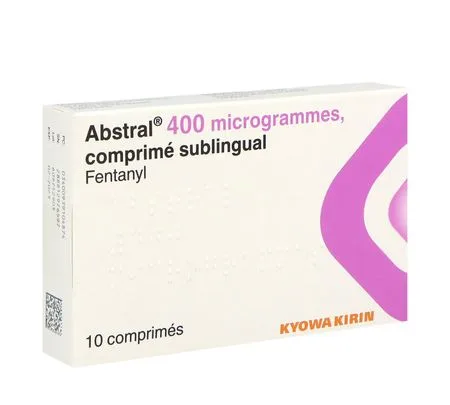
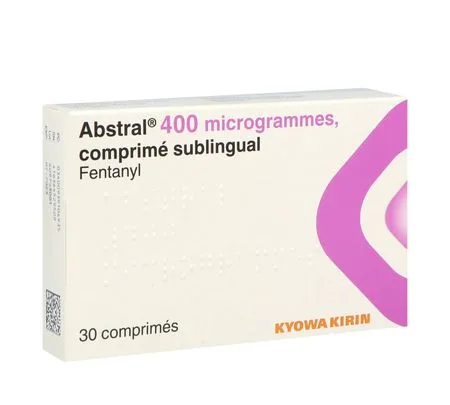
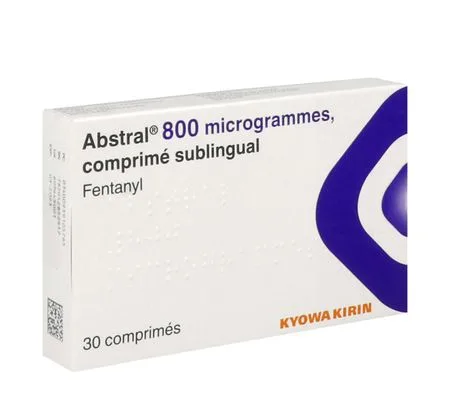
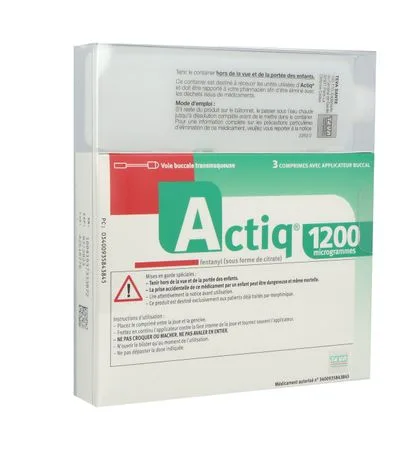
ACTIQ 1200 µg Tablet with oral applicator Blister/3
CIP / EAN : 3400935843845
- CSP - Centre Spécialités Pharmaceutiques
ACTIQ 1600 µg Tab with buccal applicator Blister/3
CIP / EAN : 3400935844217
- CSP - Centre Spécialités Pharmaceutiques
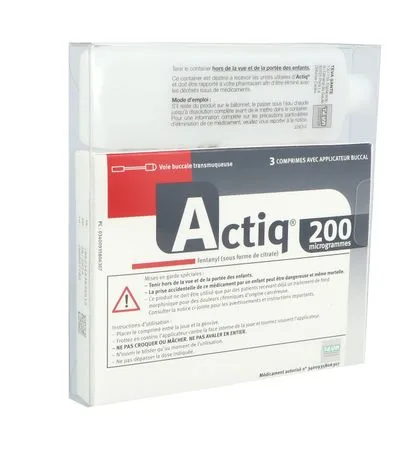
ACTIQ 200 µg Tablet with oral applicator Blister/3
CIP / EAN : 3400935806307
- CSP - Centre Spécialités Pharmaceutiques
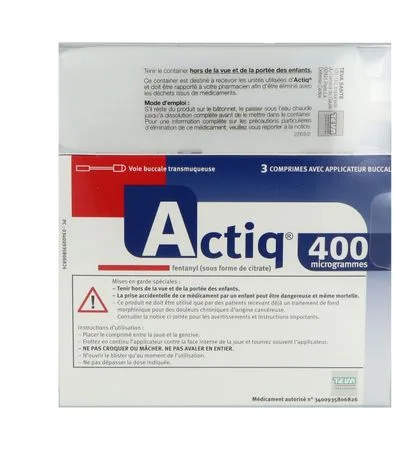
ACTIQ 400 µg Tablet with oral applicator Blister/3
CIP / EAN : 3400935806826
- CSP - Centre Spécialités Pharmaceutiques
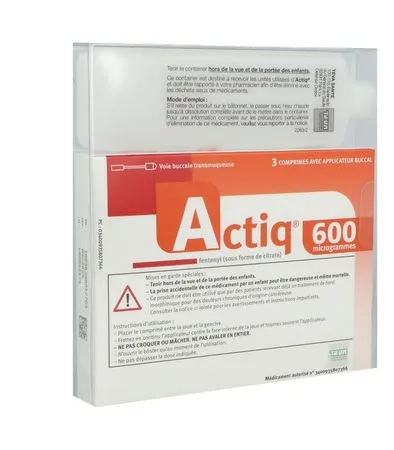
ACTIQ 600 µg Lozenge with buccal applicator Blister/3
CIP / EAN : 3400935807366
- CSP - Centre Spécialités Pharmaceutiques
ACTIQ 800 µg Buccal tablet, blister pack/3
CIP / EAN : 3400935843494












Understanding pain & fever
Pain and fever are different functions
Pain can accompany many different situations and involves pathways of perception and nerve transmission. Fever is a regulated rise in body temperature, distinct from simply feeling hot. An analgesic medicine is not necessarily an antipyretic: those words describe different functions. Perceived pain intensity is likewise not a direct measurement of inflammation. Medicines may share selected functions while retaining different mechanisms, explaining the variety of substances associated with analgesia and antipyresis. A shared symptom-related purpose consequently does not establish one pharmacological target or an identical role for every product in the field.
Non-opioids, opioids and combinations
Paracetamol and selected salicylic acid derivatives belong to non-opioid analgesics. Opioids form another family involving specific receptors in pain signalling. A combination may contain several active substances, so one familiar component does not describe the complete medicine. NSAIDs have a further distinct pharmacological identity even when they act on pain. These differences are not simply a quantity scale across molecules: an identical number on two presentations does not establish equal potency or the same functions. Complete composition explains a preparation more accurately than one ingredient name taken out of its association.
Digestive spasms and muscular contraction
A spasm is an involuntary contraction, and digestive antispasmodics concern selected smooth-muscle mechanisms. They are not laxatives or necessarily medicines that reduce acid secretion. Abdominal pain, constipation and reflux represent different dimensions even when manifestations coexist. Antispasmodic action is also distinct from general analgesia. Form and indications remain specific to the substance and preparation rather than being determined by the word pain alone. This explains why medicines associated with discomfort in the same anatomical region can have different targets, compositions and documented purposes instead of one common digestive action.
Oral, rectal and release characteristics
Effervescent tablets, orodispersible forms, solutions and suppositories describe different pharmaceutical designs and routes. Orodispersible does not, by itself, mean sublingual. Prolonged release concerns availability of the substance over time, while gastro-resistance describes another property. Transdermal or injectable preparations within selected families retain further specific characteristics. Liquid concentration, content per unit and container volume are not interchangeable data. These formulation distinctions explain why a molecule name alone does not completely identify a medicine or establish that presentations with different routes and release profiles have the same pharmaceutical characteristics.
Frequently asked questions
Are all analgesics antipyretics?
No. Analgesic describes an action on pain, while antipyretic concerns fever. A substance can have selected functions without sharing every function of another family.
Is an antispasmodic a gastric acidity medicine?
No. It concerns contraction mechanisms, particularly in the digestive tract. Reducing acid secretion and neutralising acidity involve other pharmacological principles.
Updated 10 November 2026
Sources and further reading