Professional product catalogue
Anti-inflammatory medicines
Non-steroidal anti-inflammatory drugs, or NSAIDs, are distinct from corticosteroids and from analgesics without comparable anti-inflammatory action. The field contains systemic forms and local preparations associated particularly with musculoskeletal manifestations. Ibuprofen, diclofenac and other substances retain their own characteristics. This category explains mechanisms, oral or cutaneous forms and composition differences without turning the word anti-inflammatory into a shared promise of efficacy or tolerability. Related roles in pain do not erase differences in targets, formulation or documented conditions of use between individual medicines.
Products in this category
348 products
 Haleon France
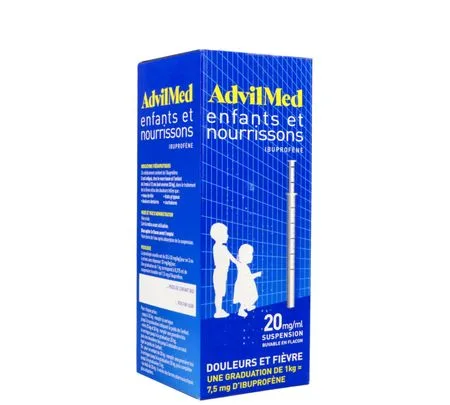
ADVILMED 20 mg/1 ml Oral suspension in infant and baby bottle Bottle/200ml
CIP / EAN : 3400933640620
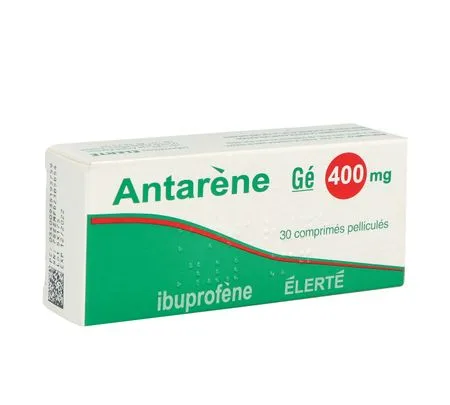
 Elerté
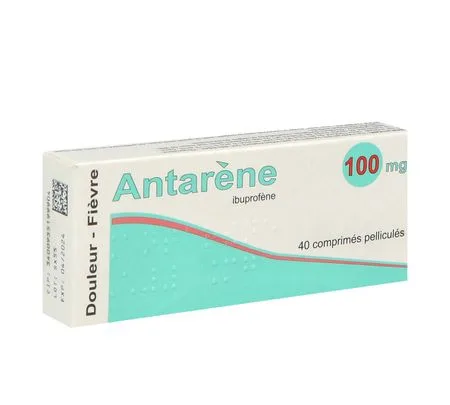
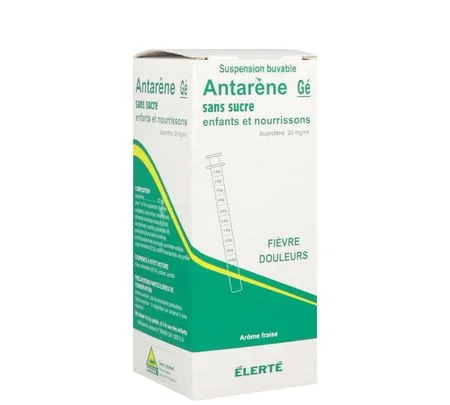
ANTARENE Gé 20 mg/ml Oral suspension for children and infants Bottle/150ml+syringe/5ml
CIP / EAN : 3400936192959








Understanding anti-inflammatory medicines
Inflammation and prostaglandins
Inflammation involves several biological mediators and can accompany very different conditions. NSAIDs act particularly on prostaglandin synthesis by inhibiting enzymes called cyclo-oxygenases. Their profiles are not identical across substances. Analgesic or antipyretic actions may also be described for selected members, but those functions do not make every pain medicine equivalent to an NSAID. Paracetamol, for example, must not be presented as an NSAID simply because it is used for pain. The distinction between a symptom-related role and a pharmacological family gives these terms their precise meaning.
Systemic routes and local preparations
Tablets, capsules and other systemic forms differ from gels and cutaneous preparations. Route is a central pharmaceutical characteristic; it does not establish that a local form has no systemic effects or is interchangeable with an oral preparation. Formulations and indications remain medicine-specific. Topical products in the musculoskeletal field can also contain different compositions, which need to be described completely rather than reduced to one familiar substance or a sensation produced on the skin. Similar destinations do not turn them into one uniform anti-inflammatory preparation.
Families and comparison limits
Non-steroidal distinguishes NSAIDs from corticosteroids, whose mechanisms and use frameworks differ. Gel concentration, content per tablet and unit count are not a universal potency scale. Modified-release or gastro-resistant formulations add particular pharmaceutical properties without establishing a general promise of protection or tolerability. Information on risks, interactions and settings of use remains specific to the medicines. This precision explains the family without equating anti-inflammatory action, analgesia and disease-modifying treatment for a joint disorder, which describe related but different functions within musculoskeletal care.
Frequently asked questions
Is paracetamol an NSAID?
No. An action on pain does not establish membership of the non-steroidal anti-inflammatory family. Families and mechanisms must be distinguished.
Is an anti-inflammatory gel equivalent to an oral form?
No. Route, formulation and documented characteristics differ. A shared substance does not establish equivalence between presentations.
Updated 10 November 2026
Sources and further reading