Professional product catalogue
Gout medicines
Gout medicines include agents addressing inflammation and treatments acting on uric acid. These functions differ: an inflammatory joint attack and the wider setting of hyperuricaemia are not the same dimension. Colchicine, xanthine oxidase inhibitors and other families have distinct mechanisms. This category explains gout medicine families, substances and presentations without treating every analgesic used for joint pain as a specific urate-lowering agent. The disease context links several processes while leaving the pharmacological purpose and complete identity of each medicinal product distinct.
Products in this category
49 products






Understanding gout medicines
Uric acid and urate crystals
Uric acid arises in part from purine metabolism. An elevated blood concentration is called hyperuricaemia, but that laboratory term does not describe every manifestation of gout. Urate crystal deposits can be associated with joint inflammation and other manifestations, including tophi. Distinguishing the biological measurement, deposits and an attack explains why medicines do not all target the same process. Gout therefore describes a wider setting than pain or a laboratory value in isolation. These terms provide context without establishing an individual diagnosis or selecting a medicine from a number alone.
Inflammatory attacks and specific agents
Colchicine belongs to gout medicines and acts on inflammatory processes associated with crystals. It is not an inhibitor of uric acid production. NSAIDs and other agents used in selected situations retain their own pharmacological families. Management of an attack and an approach directed at urate levels are not two expressions of one mechanism. That distinction must remain clear without converting families into a protocol or attributing every function encountered in gout care to one substance. A common clinical setting does not make inflammatory and urate-related targets identical.
Production, elimination and presentations
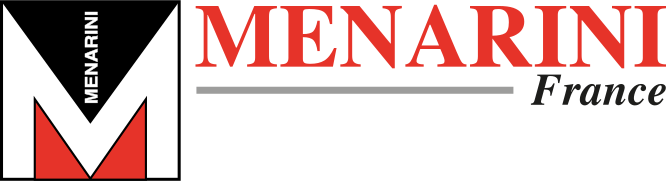
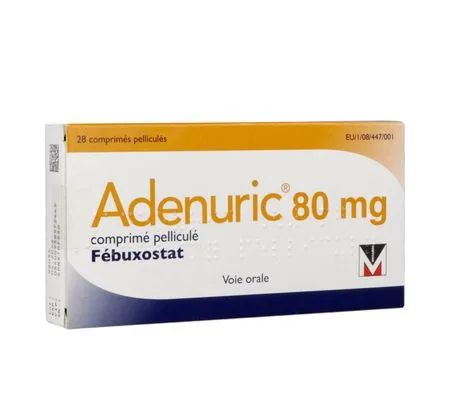
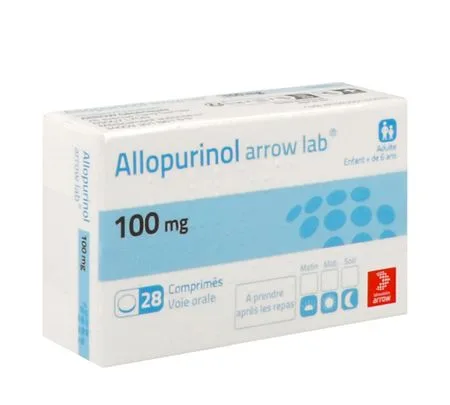
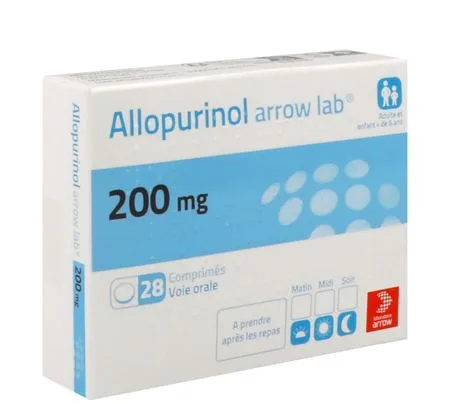
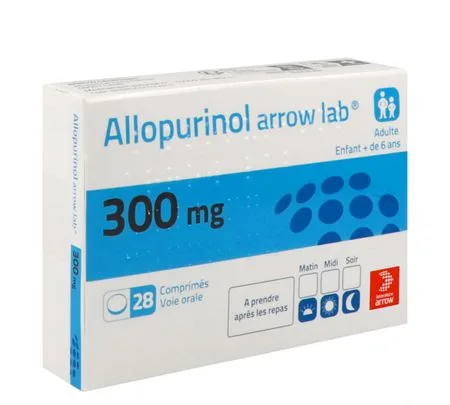
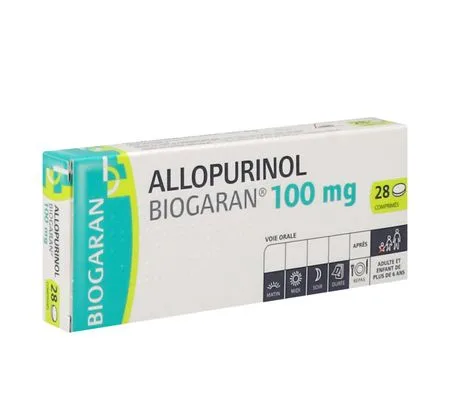
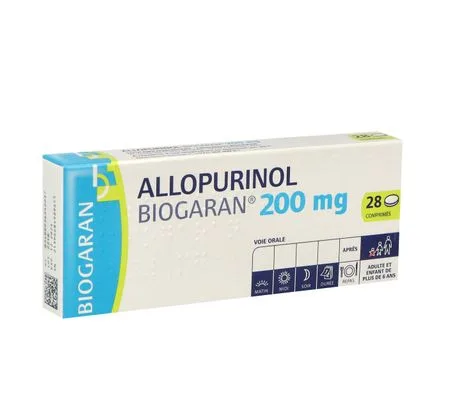
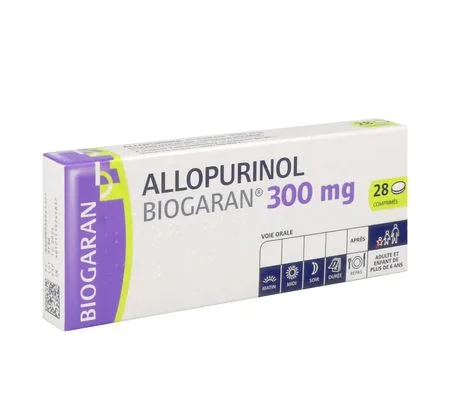
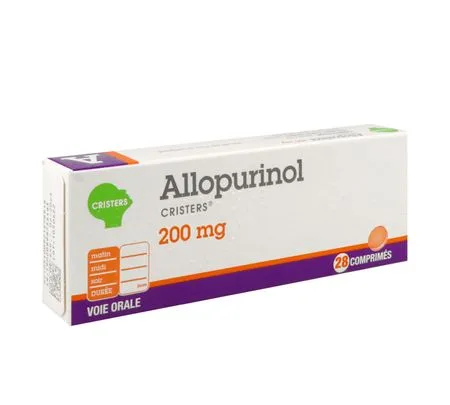
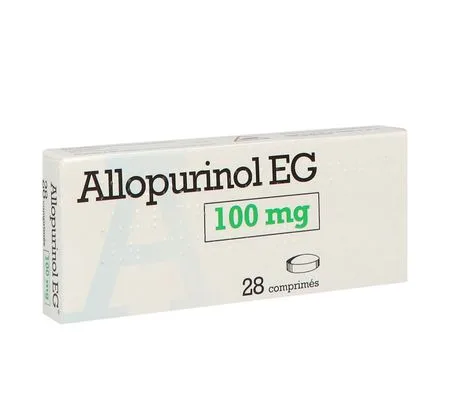
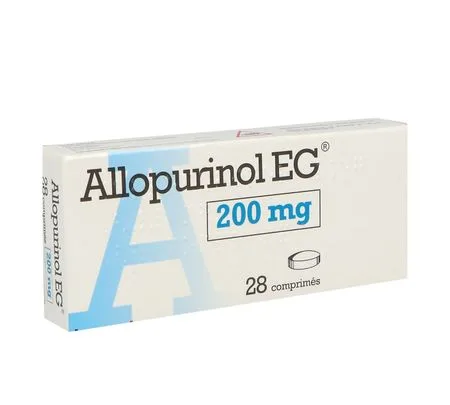
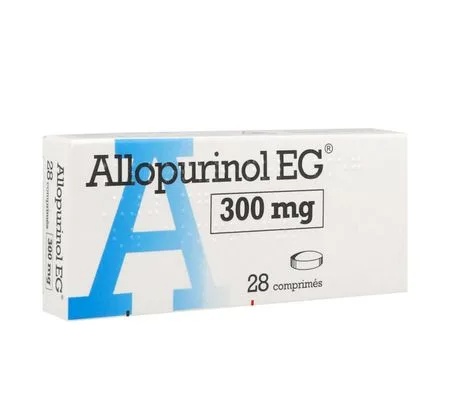
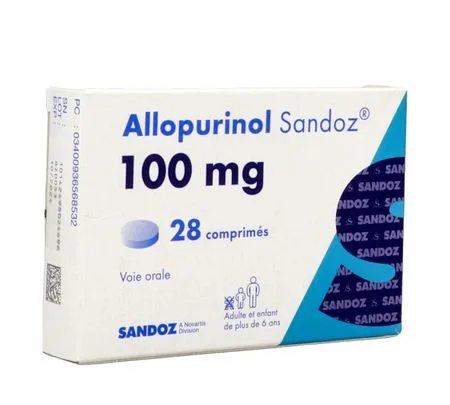
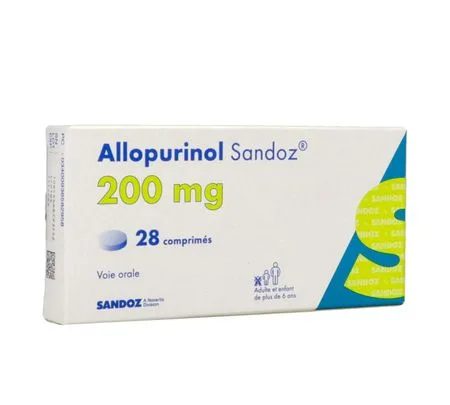
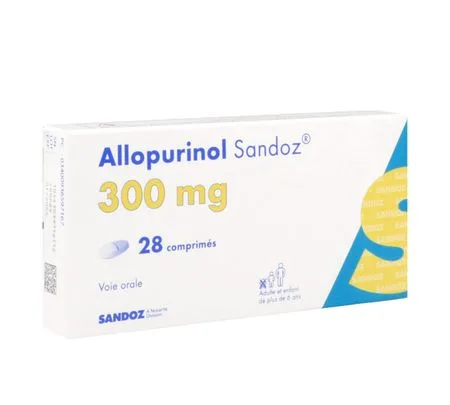
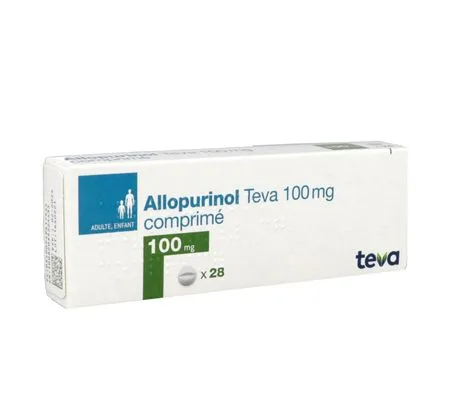
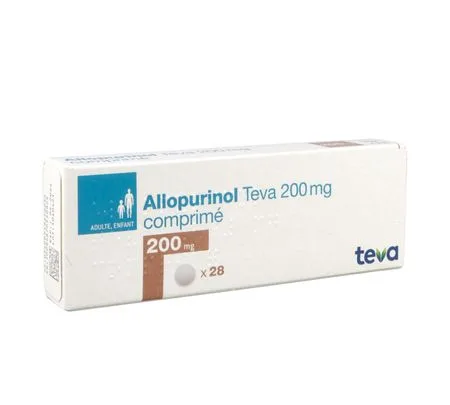
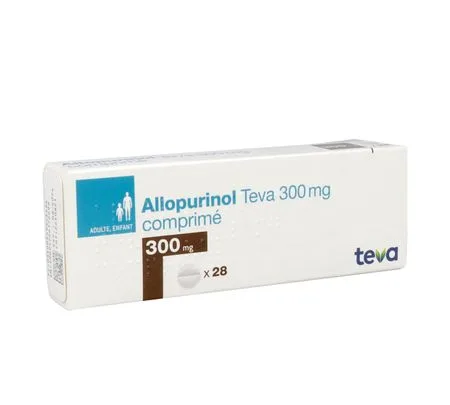
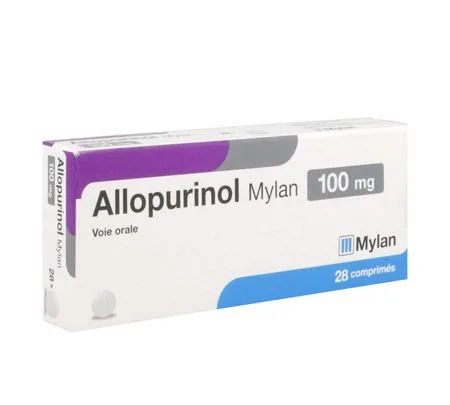
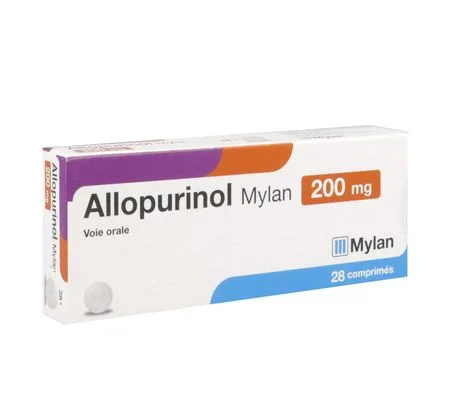
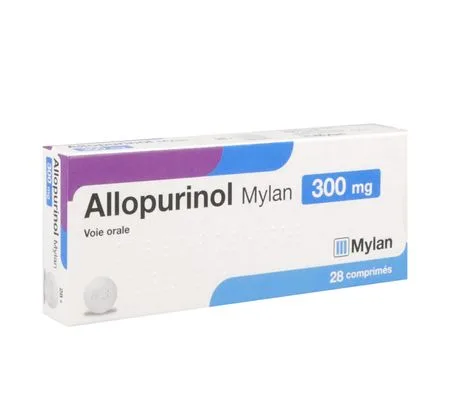
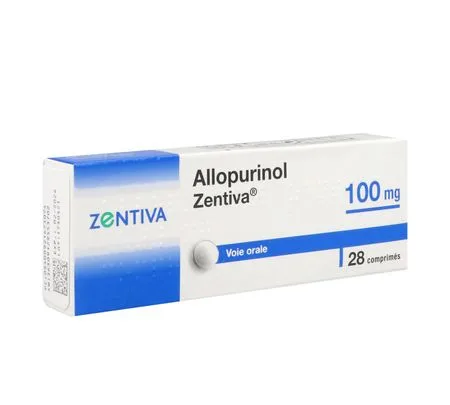
Allopurinol and febuxostat are xanthine oxidase inhibitors, acting on an enzyme involved in uric acid formation. Other groups affect elimination or other stages according to their documentation. Urate-lowering therefore describes a biological aim that can involve several mechanisms. Forms and compositions must be distinguished, particularly where several actives are combined. An identical amount across molecules does not establish comparable activity. Official information on interactions, monitoring and conditions of use remains specific to each medicine and presentation rather than one general property inferred from the wider gout family.
Frequently asked questions
Does colchicine block uric acid production?
No. Its pharmacological role concerns inflammatory processes. Xanthine oxidase inhibitors are a different gout medicine family.
Are hyperuricaemia and a gout attack synonyms?
No. One describes a biological concentration and the other an inflammatory clinical setting. This distinction explains different medicine purposes within the same disease.
Updated 10 November 2026
Sources and further reading