
Professional product catalogue
Epilepsy medicines
Epilepsy medicines influence neuronal excitability and nerve-signal transmission through varied mechanisms. They differ in substances, indications and pharmaceutical forms. Epilepsy itself includes several seizure types and syndromes rather than one uniform convulsive manifestation. This category explains antiepileptic families, formulation differences and the terminology associated with these medicines in neurology. Electrical activity, inhibitory and excitatory signalling, and the properties of each preparation provide a more precise context than a single broad description of a medicine against seizures or convulsions.
Products in this category
331 products
 Viatris Santé
Carbamazepine Viatris Lp 200mg Scored Prolonged-Release Tablet 30
CIP / EAN : 3400935306326
- Viatris Santé
Carbamazepine Viatris Lp 400mg Scored Prolonged-Release Tablet 30
CIP / EAN : 3400935305145

























Understanding epilepsy medicines
Electrical activity and neuronal transmission
Epileptic seizures involve abnormal electrical activity in neuronal networks. They can be focal or generalised and can have motor or non-motor manifestations. Nerve signals depend in part on ion channels and chemical messengers. GABA participates in inhibitory transmission, while glutamate is involved in excitatory transmission. These features provide a framework for medicine mechanisms without creating a simple one-to-one match between seizure type and substance. They also distinguish established epilepsy from every isolated convulsive event, which does not necessarily represent the same clinical setting.
Several pharmacological targets
Some antiepileptic agents modulate sodium or calcium channels; others affect inhibitory transmission or neurotransmitter release. One molecule may involve several mechanisms, and a shared area of action does not make every substance equivalent. Antiepileptic therefore describes a common purpose rather than one chemical structure. Selected substances also have documented indications in other fields, such as neuropathic pain or mood disorders, depending on the medicine. Those uses do not automatically extend to every member of the family merely because they share a broad pharmacological classification.
Formulations and pharmaceutical continuity
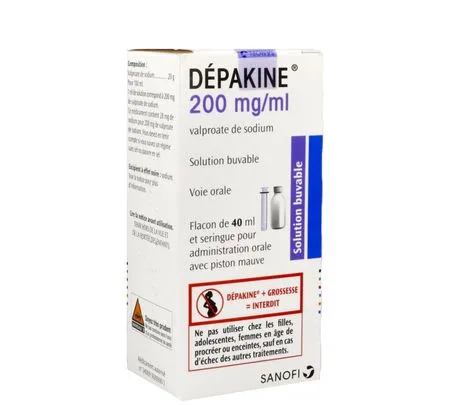
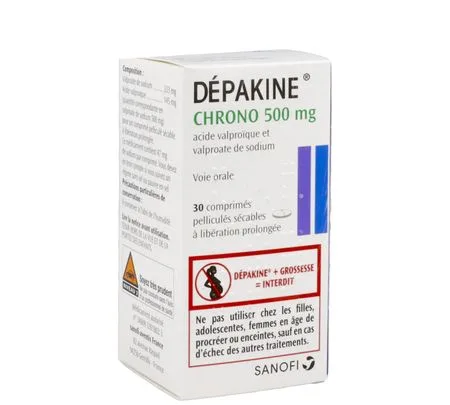
Tablets, capsules, oral solutions and other preparations have different characteristics. A prolonged-release form differs from an immediate-release form: the term concerns how the substance becomes available rather than a simple difference in tablet size. Liquid concentration and container volume also convey separate information. Certain medicines have particular prescribing or prevention conditions, including requirements associated with pregnancy. These depend on the substance and official information rather than one uniform rule for every antiepileptic. The exact formulation remains meaningful even where several products share an active substance name.
Frequently asked questions
Are all epileptic seizures convulsive?
No. Manifestations can be motor or non-motor and involve focal or generalised networks. This diversity forms part of the context for epilepsy medicines.
Are prolonged release and immediate release synonyms?
No. They describe different pharmaceutical characteristics. Form and release description contribute to the identity of the medicine beyond its substance name.
Updated 10 November 2026
Sources and further reading