Professional product catalogue
Migraine medicines
Migraine-specific medicines include treatments for an attack and agents used within a preventive approach. Triptans and medicines targeting the CGRP pathway illustrate different mechanisms. Migraine is not simply another name for every headache: it has a neurological setting and characteristic manifestations. This category presents antimigraine families and pharmaceutical forms, distinguishing their roles from general analgesics and other medicines sometimes used within the same care pathway. The timing of a medicine's purpose is meaningful without implying a simple hierarchy of strength.
Products in this category
166 products
 Teva Santé
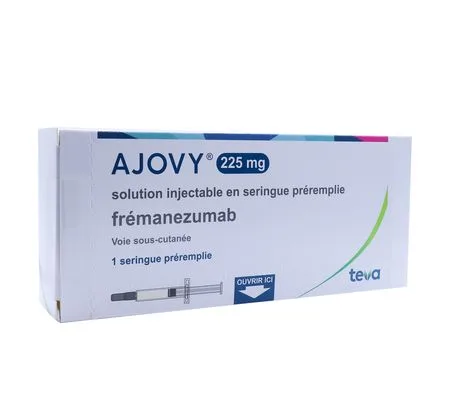
AJOVY 225 mg Solution for injection prefilled syringe Syringe/1,5ml
CIP / EAN : 3400930174593
 CSP - Centre Spécialités Pharmaceutiques
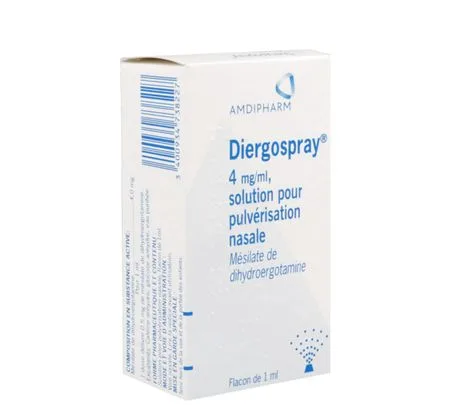
DIERGOSPRAY 4 mg/ml S pulv nas Fl pulv/1ml
CIP / EAN : 3400934738227








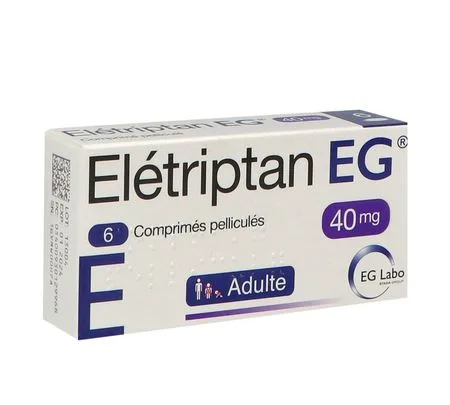
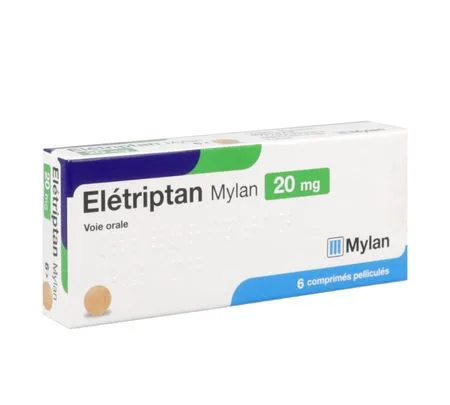
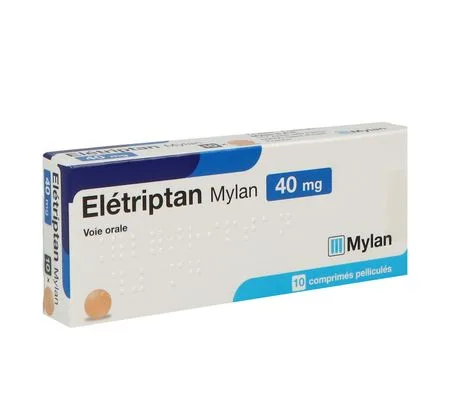
Understanding migraine medicines
Migraine attacks and prevention
An attack can combine headache with nausea and increased sensitivity to light or sound. Some migraines involve aura, consisting of transient neurological manifestations. Acute and preventive treatment have different time-related purposes: one concerns an episode, while the other forms part of a longer-term approach. These descriptions are not a simple scale of potency. They explain why very different presentations can be associated with migraine without being intended for the same stage of care. The disease name alone consequently does not establish the role of a particular medicine.
Triptans and the CGRP pathway
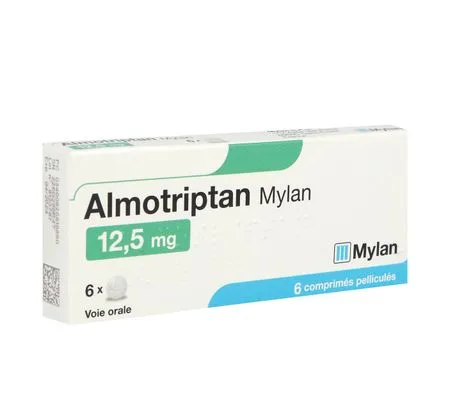
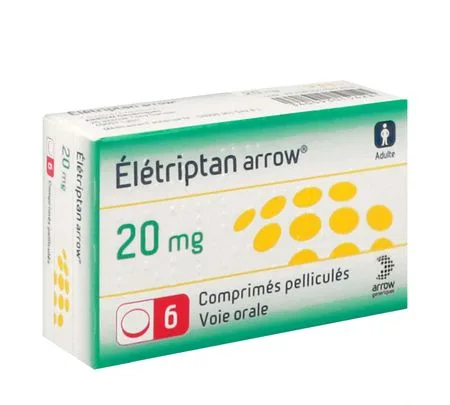
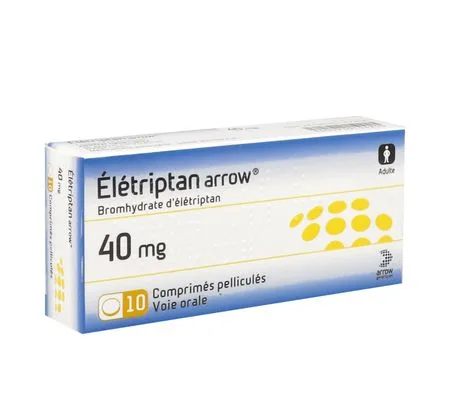
Triptans form a specific migraine medicine family. CGRP-related agents target a peptide or its receptor involved in migraine mechanisms, with differences between substances and preparations. A monoclonal antibody directed at a target is not merely another name for a small oral molecule. Official indications define the role of each product. General analgesics and selected medicines used in prevention may retain their own pharmacological family instead of all becoming migraine-specific agents within classification. This preserves the distinction between a documented use and the wider pharmaceutical identity of a substance.
Oral, nasal and injectable forms
Depending on the medicine, presentations can include oral, nasal or injectable forms. An orodispersible tablet remains distinct from a formulation intended for another route; its name describes a presentation characteristic rather than promising a particular onset. Injectable devices also have product-specific features. Content per unit, concentration and number of devices provide different information. These distinctions help pharmacies identify the precise form without creating automatic equivalence between acute and preventive treatments or assuming that two references share a role because both relate to migraine.
Frequently asked questions
Are acute and preventive treatment synonyms?
No. They concern different time-related purposes. The role is defined for each medicine and cannot be inferred solely from its association with migraine.
Does an analgesic used in migraine become a migraine-specific agent?
Not necessarily. A substance can retain its analgesic or other pharmacological family despite a use within migraine care.
Updated 10 November 2026
Sources and further reading