 Biogaran
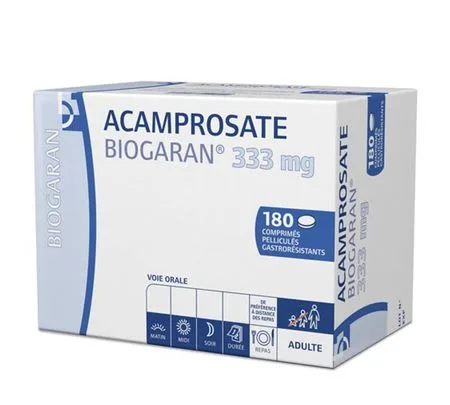
ACAMPROSATE BIOGARAN 333 mg Film-Coated Gastro-Resistant Tablet Blister/180
CIP / EAN : 3400927607905
Professional product catalogue
Neurology medicines concern different nervous system functions: neuronal excitability in epilepsy, dopaminergic transmission in Parkinson's disease and mechanisms specific to migraine. These fields involve neither one active substance nor a uniform pharmaceutical form. Their families combine varied mechanisms and delivery profiles. Understanding neurotransmitters, ion channels and specific targets helps place the medicines beyond the name of a neurological condition alone. Motor, sensory and other manifestations provide context without turning a broad disease label into a treatment selection or equivalence rule.
1,061 products
BiogaranCIP / EAN : 3400927607905
 Biogaran
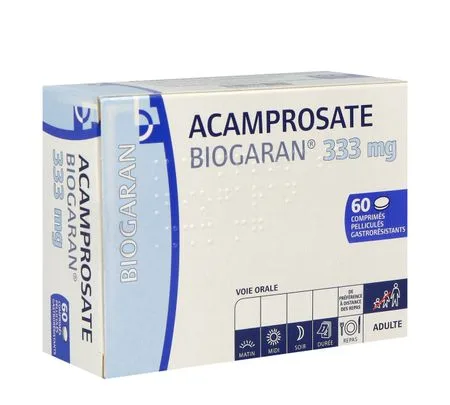
CIP / EAN : 3400927607783
 Viatris Santé
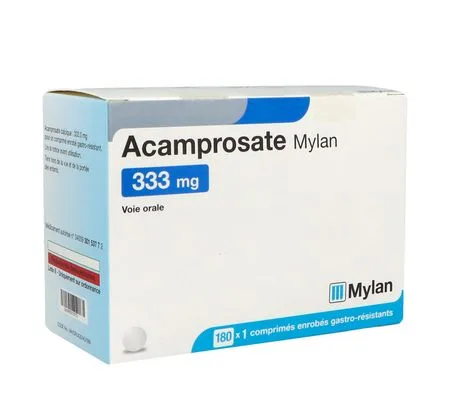
CIP / EAN : 3400930153772
 Viatris Santé
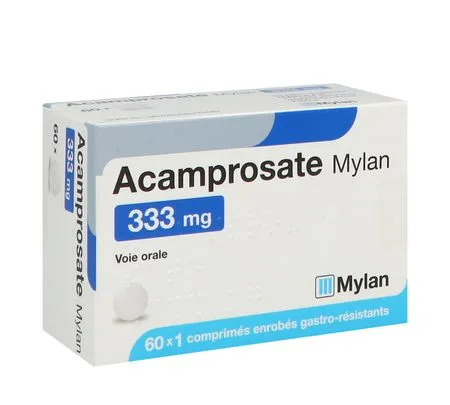
CIP / EAN : 3400930153765
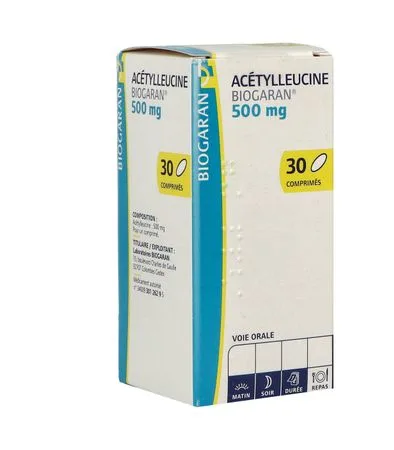
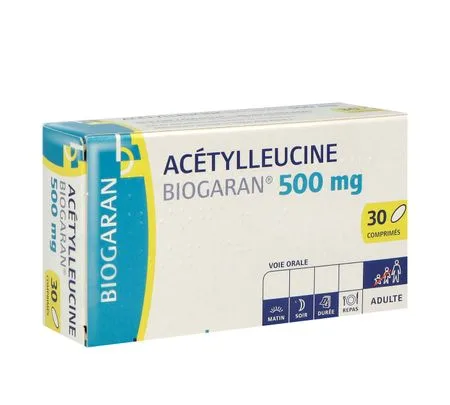
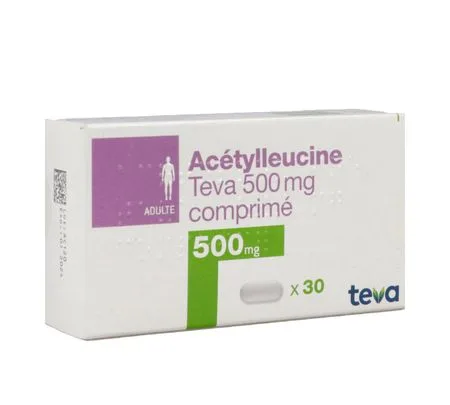
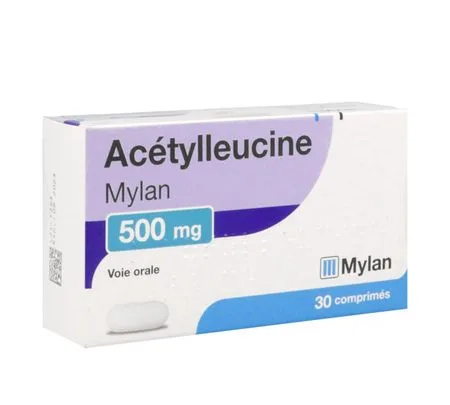
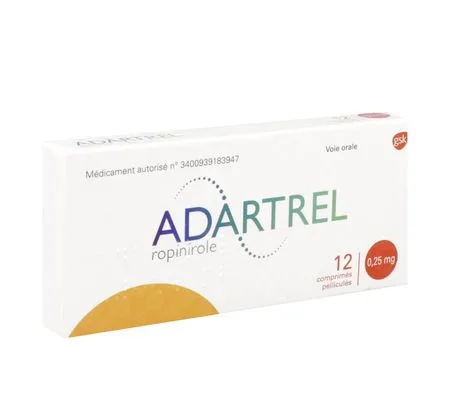
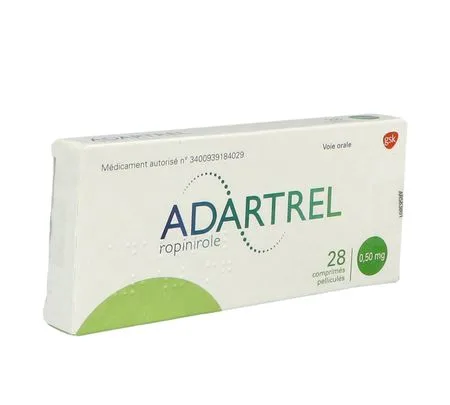
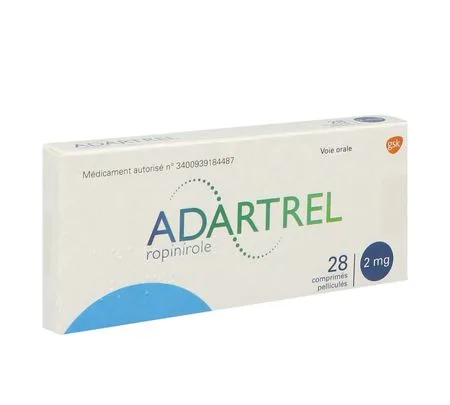
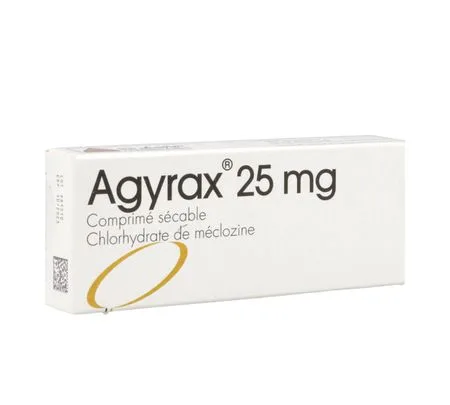

 Teva Santé
CIP / EAN : 3400930174593
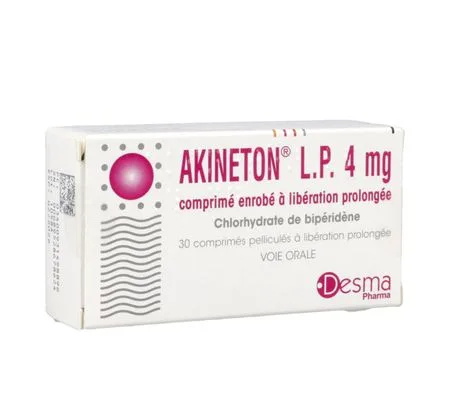
 Desma Pharma
CIP / EAN : 3400931498896
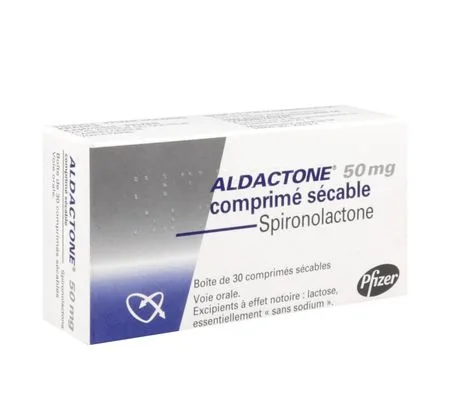
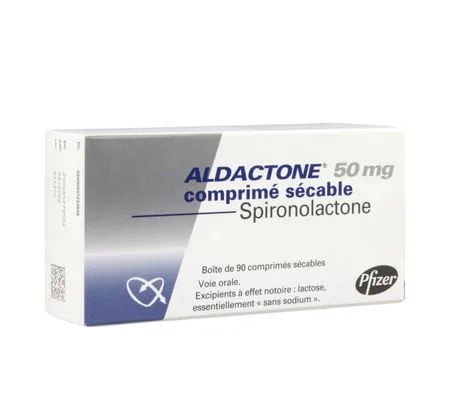
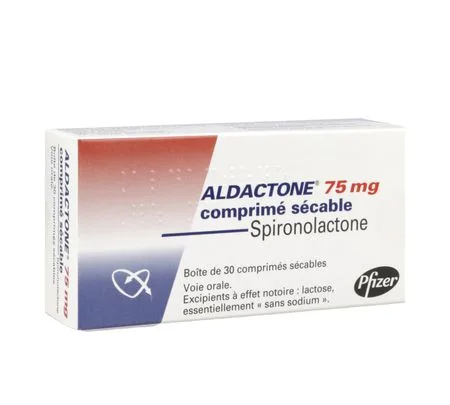
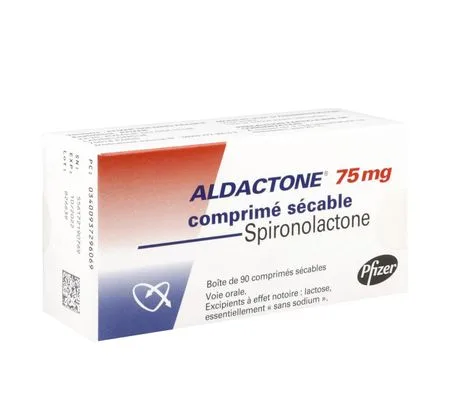
Nervous system function combines electrical signals with chemical communication between cells. Ion channels contribute to neuronal excitability, while neurotransmitters participate in synaptic signalling. Neurological medicines can influence different stages of these processes. Action at a receptor, enzyme or channel does not describe a universal mechanism for every nervous system disorder. Motor, sensory and non-motor manifestations likewise represent different dimensions. This diversity explains the range of families and indications in the field, rather than implying that all centrally acting substances have the same target or clinical purpose.
Epilepsy includes several seizure types and syndromes. Antiepileptic agents may affect ion channels, inhibitory transmission or messenger release, depending on the substance. The term therefore does not identify one chemical structure. Selected molecules also have indications in other settings without those uses extending to the whole family. Immediate-release and prolonged-release formulations retain different characteristics. A liquid, a solid unit and a preparation intended for another route are not simply identical packs of a uniform product. Their pharmaceutical form remains meaningful even when the same substance name occurs in several presentations.
Parkinson's disease involves loss of dopaminergic neurons participating in movement control. Levodopa, dopamine agonists and enzyme inhibitors associated with these pathways have different functions. A precursor converted into dopamine differs from an agent acting at a receptor or altering metabolism. Medicines in this setting have symptomatic roles that should not be confused with stopping degeneration. Non-motor manifestations also show that the disease extends beyond one mediator or one description of tremor. These distinctions give the dopaminergic families a clear context without making claims of neuronal repair or uniform effects across all manifestations.
Migraine-specific medicines distinguish acute and preventive purposes. Triptans and CGRP-related agents illustrate different targets, while other substances used in the same pathway retain their own family identity. Oral, nasal, transdermal and injectable forms encountered in neurology describe documented pharmaceutical modalities without assumed equivalence between routes. Other nervous system medicines cover further distinct fields, while antidepressants, anxiolytics and hypnotics are developed in the psychiatry area. This separation clarifies mechanisms without attributing every indication within a broad category to each individual substance or treating similar disease terminology as proof of pharmaceutical equivalence.
Yes, where its documented indications provide for this. That does not mean every substance in the same family shares those uses.
Release describes an important pharmaceutical property. Presentations sharing a substance can differ in formulation and are not characterised solely by unit count.
Updated 10 November 2026
Sources and further reading